
March 8–21 , 2021
MOUNT WASHINGTON — The first food I harvest from the New England landscape is one of nature’s most sought-after edibles. Captured from a hole drilled* into a maple tree, maple sap is a clear, glistening liquid that is refreshing to drink straight from the tree. Cold or hot, beverages brewed in sap have a touch of sweetness. One cup of syrup represents two to three gallons of sap boiled for several hours. Sap run began with the alternation of freezing nights and daytime thaw. My mid- to late-winter forest-to-table endeavor involves collecting sap and boiling it for a year’s supply of syrup. Equally gratifying, I recommend to every reader indoor garden-to-table food production that can be done at any scale and year round without access to land and special equipment.
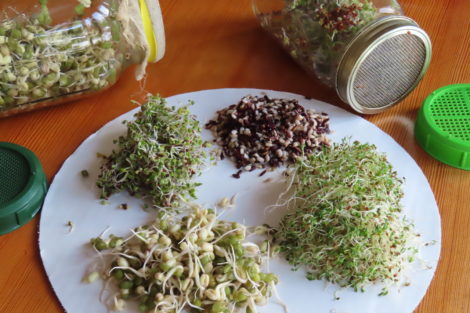
For a continuous supply of fresh vegetables without relying on trips to the produce market, I store a diversity of organically grown seeds at the ready for sprouting. My favorites for salad and sandwiches are broccoli, radish, clover and alfalfa. Mung beans and fenugreek are added at the end of cooking stir-fries, soups, and grain dishes. Sprouting whole barley and rice has many benefits,** including shortened cooking times, making it possible to avoid less nutritious hulled barley and polished rice.
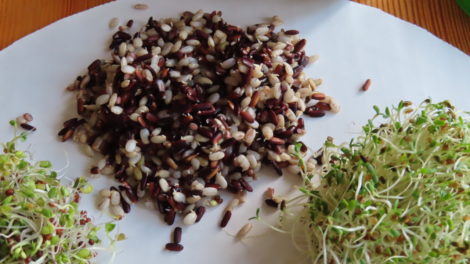
Sprouting tends to increase nutrient levels in the grain, legume, vegetable, nut or seed being sprouted. Sprouts also contain lower levels of antinutrients, making it easier for your body to absorb all the nutrients they contain.
In the Resources section, below, you will find instructions for numerous ways to produce sprouts. I have settled on glass jars and, occasionally, hemp bags. The steps are few and only slightly different depending on the size of the seed. Directions come with packaged seeds.
- Rinse and then soak seeds in a jar for about 8 hours, swishing around occasionally. Small seeds: about 2 tbsp per quart jar with a few inches of water to cover. Mung beans: scant half a cup of mung beans per quart jar with more than double the amount of water to cover. Rice: ¾ to 1 cup rice per quart jar with double amount of water
- Pour off soak water after about 8 hours
- Tip jar on its side and shake seeds to spread out
- Place in low light to dark, airy location
- Rinse seeds twice a day by running water into jar, swishing, then emptying
- Place in dimly lit location, or cover jar – not lid – with cloth to keep light out
- Watch for sprouts. Roots are white and linear. Leaves yellow as they emerge
- Repeat steps until seeds are fully sprouted, approximately 2–4 days
- Move sprouts to sunny but not hot location to green the yellow leaves
- Rinse, cover with lid and refrigerate
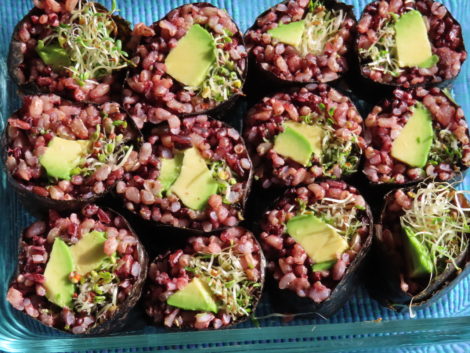
Among the resources for purchasing sprouting supplies, listed below, note that, locally, the Berkshire Food Co-op has a display of half-gallon sprout jars with stainless steel mesh lids in addition to High Mowing plastic mesh lids. Ask for Guy or Jessica for help finding other useful items. I have sprouted the Co-op bulk department’s mung beans, whole barley, and short grain brown rice with exceptionally quick results. Lundberg Japonica rice is packaged, as is nori seaweed, should you wish to make the rolls from cooked rice.
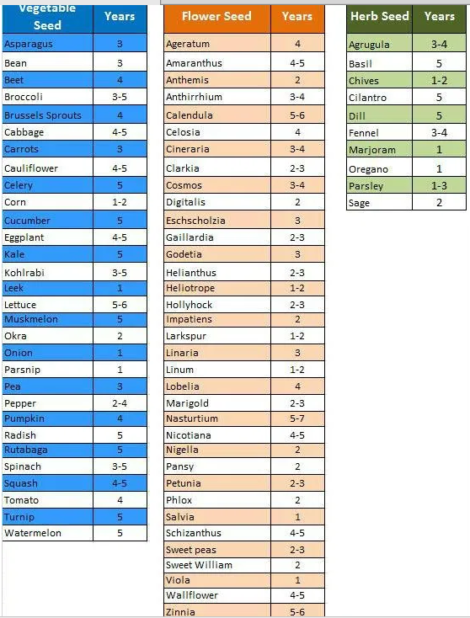
In closing, check for viability by sprouting samples of your stored seeds before sowing in outdoor gardens. If that is too daunting a task, the following charts are invaluable, even though storage conditions can be a limiting factor.
Opportunities to Participate
*History and practice of maple sugaring: “The Maple Sugar Book” vintage and a newer version
Farm-to-table education, networking, innovation: Northeast Organic Farming Association (NOFA)
Seeds and sprouting supplies:
Berkshire Food Co-op, Great Barrington
High Mowing Organic Seeds
Down to Earth Distributors
Sproutman
True Leaf Market
Make your own lids with cheesecloth and/or plastic canvas mesh: Traditional Cooking School
**Nutritional value
Bean sprouts
Sprouted rice
Raw sprouts
Viability charts for common garden vegetable and flower seeds