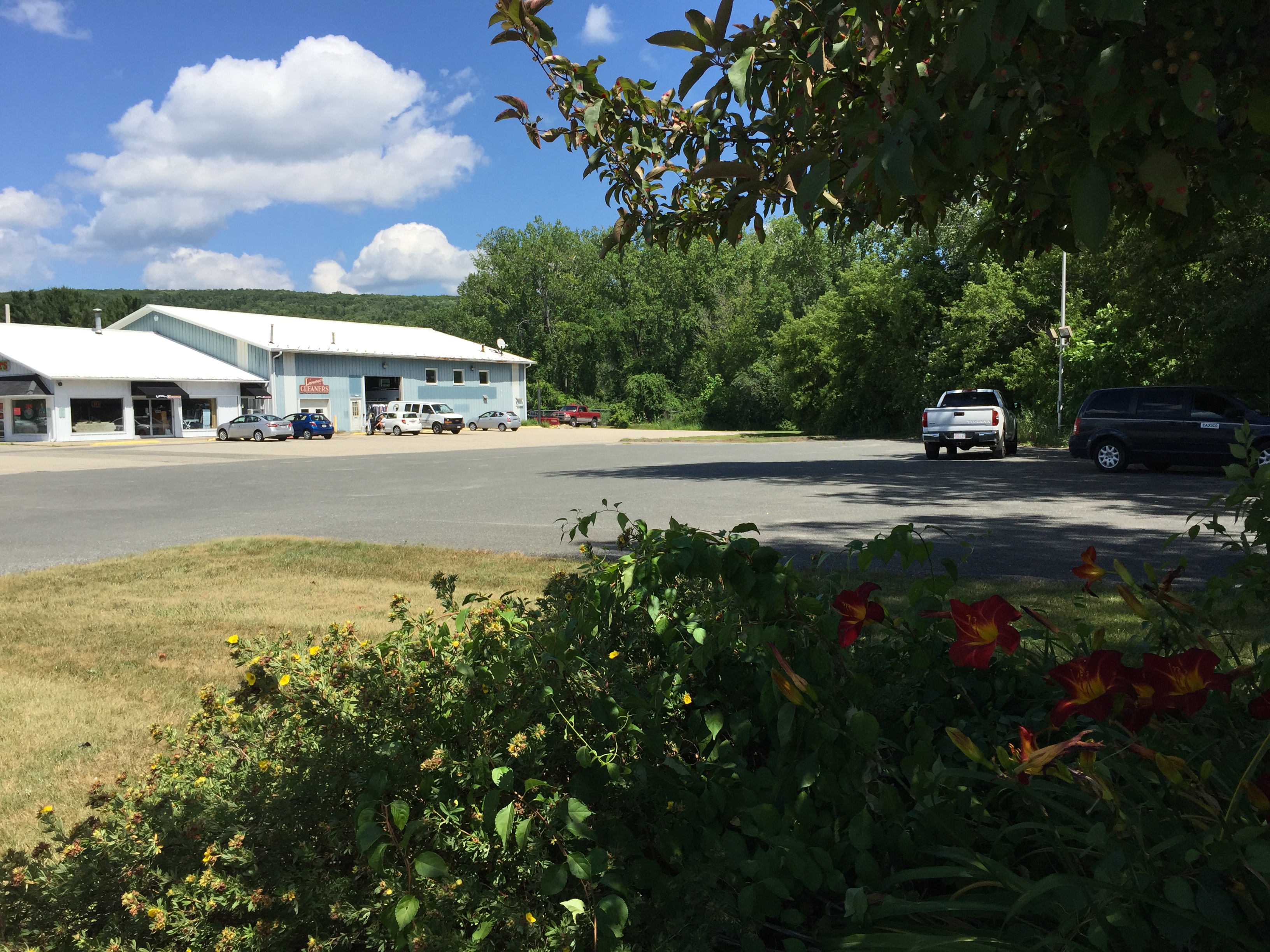
Great Barrington — When the Selectboard two weeks ago voted to not oppose the construction and operation of a registered medical marijuana dispensary (RMD) on Stockbridge Road, it hadn’t yet entertained an agreement that, among other things, might allow the town to take a cut of dispensary profits or possibly assign other up-front fees.
But Town Manager Jennifer Tabakin was not at that meeting, and said at a Selectboard “priorities setting” meeting Wednesday (August 3) that, before she would sign that letter of “nonopposition,” she wanted to “pursue a host agreement” with Stoneham-based Theory Wellness.
Since these letters of nonopposition are required by the state as part of its dispensary application, towns are now using these agreements as leverage to milk money from the burgeoning new business.
Because Massachusetts requires RMDs to operate as non-profits, such fees may be seen by towns as “payments in lieu of taxes,” something that for other non-profits is optional.
Any revenue from the dispensary would go into the town’s general fund, Tabakin said.
Host agreements are intended as contracts with cities and towns to streamline the local process and adherence to local bylaws. But towns are now plopping on the extra fees for the dispensing of one kind of medicine instead of another, something that worries some.
“It’s not recreational marijuana,” said Selectboard Chair Sean Stanton. “And you can get more powerful pharmaceuticals at other places [in town].”
Stanton noted Berkshire County’s struggles with opioid use and addiction, challenges that “are more significant than with marijuana.” Indeed, recent national studies show that heroin use in young people often starts with abuse of prescription opioids. They switch to heroin because it’s cheaper.
Stanton said the state is already making medicinal marijuana dispensary companies jump through hoops, and that charging extra fees will ultimately punish patients by passing on those extra costs.
Stanton and Tabakin mentioned an article in the Boston Globe that describes a “pay-to-play” climate in Massachusetts alone that may drive up prices for “needy patients.”
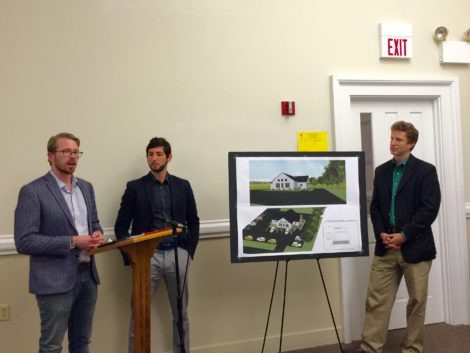
Stanton later told the Edge that the town, because it is currently in negotiations with Theory Wellness, could not yet divulge whether it would have to spend any money for dispensary-related services that extra fees might offset.
Theory Wellness President Nicholas Friedman said he could not comment because of these negotiations.
Board Vice Chair Steve Bannon said he’d like to know what kinds of host fees other towns are charging Theory Wellness for its other dispensaries. He wondered whether the company has budgeted for such extras. “If that’s just the business of doing medical marijuana, then why stop them?” he said.
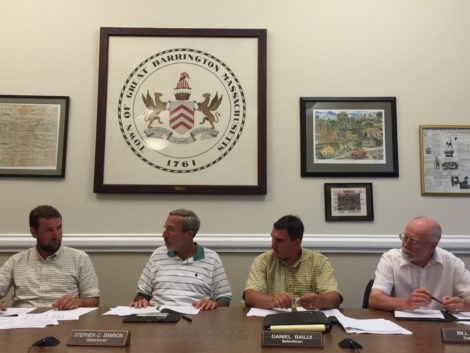
Stanton felt strongly that the letter of nonopposition the board instructed Tabakin to sign should not be held up over the town’s oversight, or as leverage to squeeze money out of the company.
Stanton told Tabakin that if she were to pursue the host agreement, “you need to do it tomorrow…if we weren’t prepared, then that’s on us.”
“We may have lost the opportunity,” Bannon said.
“Let’s not hold up the letter [of nonopposition],” said board member Bill Cooke.
Towns across the state — like Brockton and Burlington — are tying dispensary revenue to recreational drug prevention or addiction services by asking the dispensary to give a percentage of profits to a drug-related charity or other organization.
Stanton said this idea was “outrageous.”
“This is about medical marijuana, not about the recreational use of drugs,” he added. “If we’re going to use money from this kind of dispensary to talk about drugs, then we need to go to Rite Aid, CVS, Price Chopper — anywhere there’s a pharmacy –– and ask them to pay, too.”
Stanton said he was “willing to talk about it, with more information,” since, he said, extracting money from dispensaries is “optional –– some towns are doing it, some not.”