South Egremont — From the beginning of time we have asked ourselves, “How far are the stars?”
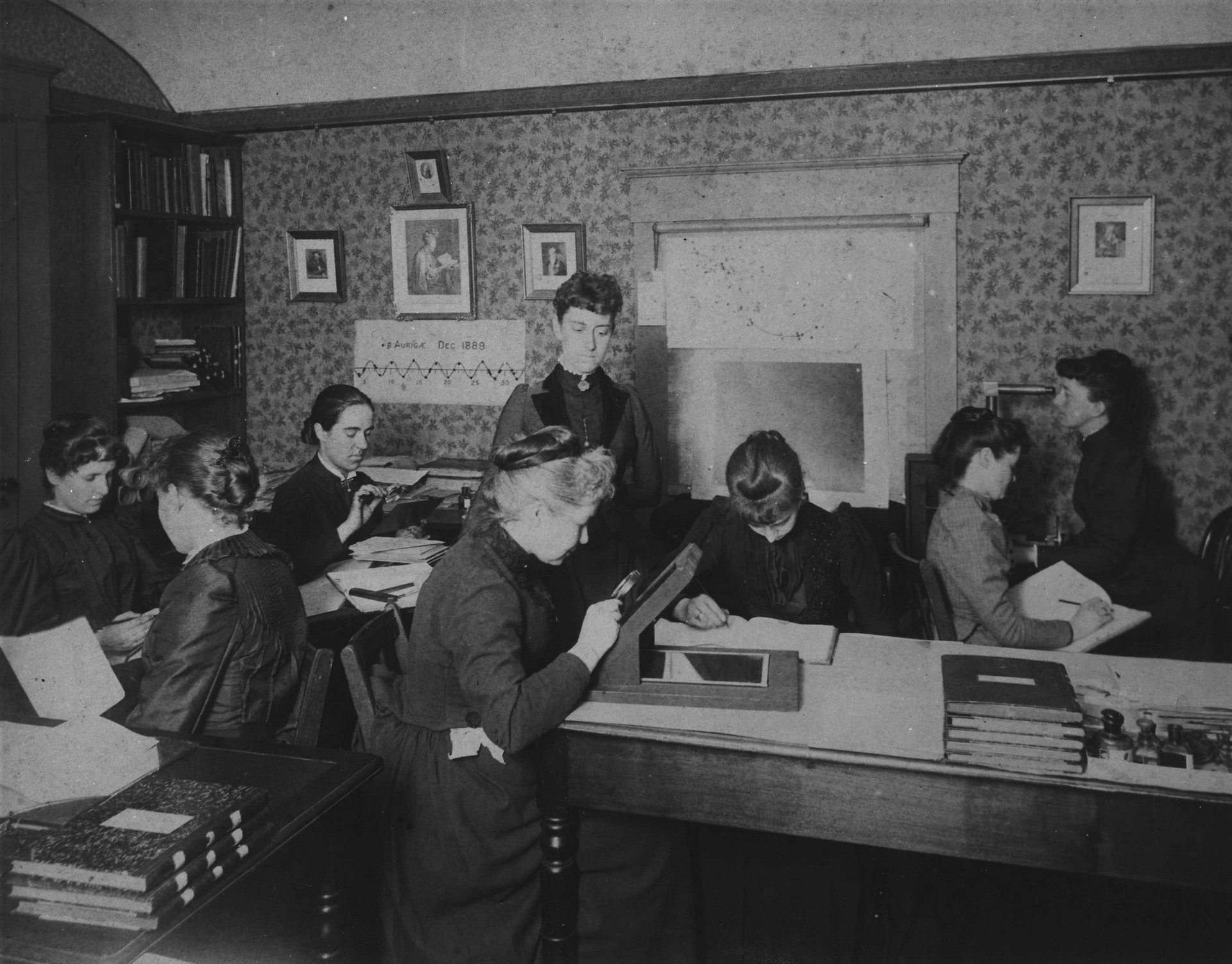
As March ends — Women’s History Month — and April arrives — Global Astronomy Month, it seems appropriate to remember Henrietta Swan Leavitt. Graduating in 1892 from Radcliffe with a love of astronomy, Henrietta and several other women went to work for $10.50 cents a week to measure the stars, thousands of them, found on the glass plate negatives that had been exposed during the night by the astronomers at the Harvard College Observatory in Cambridge Mass.
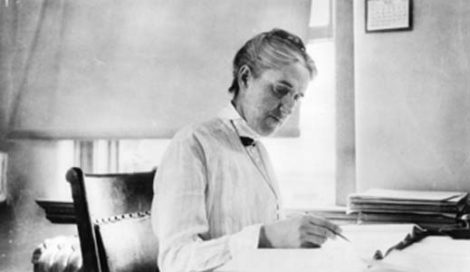
It was a good job for a woman and about as close to astronomy as they could get. Known as “The Harvard Computer,” Henrietta’s mathematical calculations lead to what is now called the Cepheid Variables — a measurement system that allowed the calculation of accurate distances between objects on an intergalactic scale. Henrietta Leavitt’s mathematical skills had answered the question we all ask when we look up at night. Somewhere there’s heaven. How high the moon? Thanks to Henrietta we now know that our Milky Way is just one of billions of galaxies in the universe and how far from us they all are.
She died in 1921, recognized by few astronomers in the field. As her mathematical calculations began to circulate, a Swedish mathematician nominated Henrietta for the Nobel Prize, sadly to find they cannot be awarded posthumously, so it has taken us a bit longer to place her with Galileo and Thales, where she deserves to be. Thanks Henrietta; and give thanks to all the young women who choose to follow their stars. Here, lyrics by Les Paul and Mary Ford, “How High the Moon”.
Somewhere there’s music
It’s where you are
Somewhere there’s heaven
How near, how far
The darkest night would shine
If you would come to me soon
Until you will, how still my heart
How high the moon
For an explanation of Cepheid variables and Leavitt’s discovery, click on video below: