WEST STOCKBRIDGE — After last week’s raucous selectboard meeting, a solution to a dispute between two downtown businesses seemed closer after both agreed to discuss a proposal, but the situation remains tenuous.
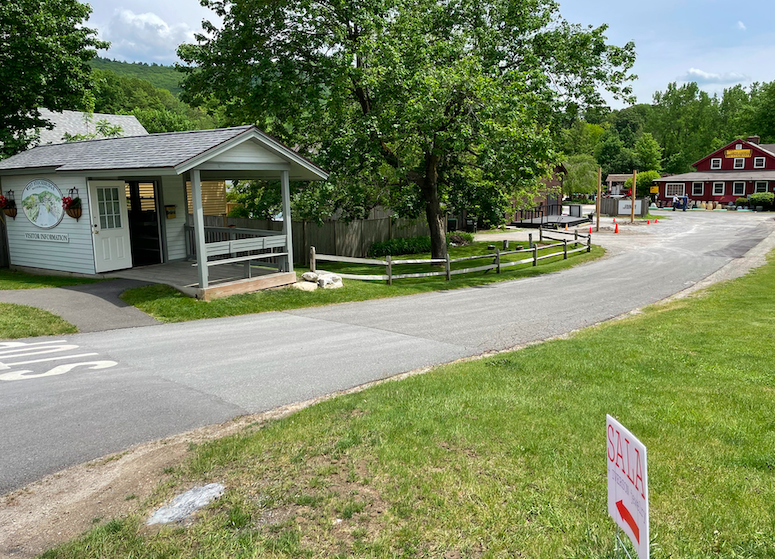
The Foundry, located at 2 Harris Street, and Trúc Orient Express Vietnamese restaurant, located at 3 Harris Street in downtown West Stockbridge, have been locked in an ongoing battle regarding the pending closure of The Foundry’s private road that connects Harris Street to Center Street. The move would have effectively cut off access to Trúc’s on Fridays and Saturdays from 5 p.m. onward.
The Foundry had been granted permission to close its private drive so it could host concerts outdoors on a newly built stage, using a grassy knoll, also a part of The Foundry’s property and where the West Stockbridge Farmers Market is held, as a seating area.
The private drive runs in between the stage and the grassy knoll. Amy Brentano, the owner of The Foundry, had stated previously at the May 24 meeting that, “We have to close the road if we’re performing on that side for safety because we’re trying to be responsible to our staff, our patrons, and performers.”
This move mobilized supporters of Trúc’s to speak out and voice their opposition to the move.
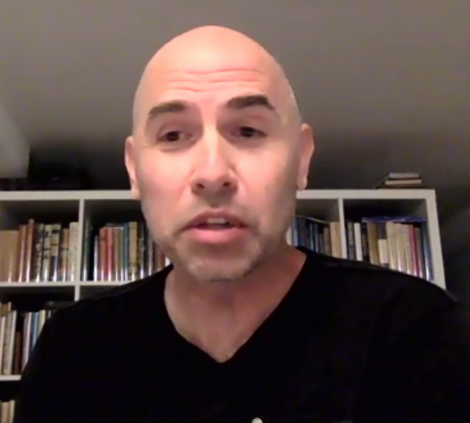
At the special selectboard meeting last night, Chairman Eric Shimelonis announced that the two parties had entered into a discussion that would keep the private road open, uninterrupted, for the entire duration of The Foundry’s shows.
“The path forward with this arrangement is a private matter; it has to be worked out legally between these two merchants,” Shimelonis said. “We can all rest assured that a solution that is equitable and just for all involved is indeed on the table.”
Still, that didn’t stop the meeting from becoming acrimonious at times, as tensions remained high within the community — and among members of the selectboard itself.
There was disagreement amongst the members whether to further insert themselves into the dispute by beginning legal action to establish The Foundry’s private driveway as an assumed right-of-way, a type of easement that allows for travel and access through someone else’s private land.
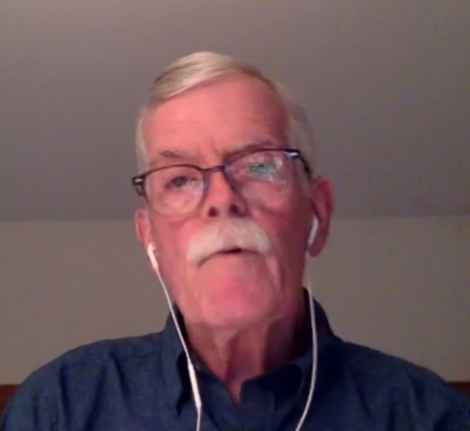
Selectboard member Roger Kavanagh made a motion early on in the meeting that would have instructed town counsel to begin seeking action to make the private road a permanent assumed right-of-way, using any legal means necessary.
“What I think the town should do is fix the situation that’s been allowed to sit dormant waiting for an occurrence,” Kavanagh said. “We’re just kicking the can down the road. It’s the problem that’s here today.”
The motion failed to garner a second that would have sent it to the rest of the board for a vote. Both Shimelonis and Kathleen Keresey, the board’s other member, objected to the motion, citing the proposed agreement on the table among the two parties and an ongoing feasibility study that would look at connecting Harris Street to Moscow Road, near the TurnPark art space and sculpture garden.
Discussion surrounding the motion triggered a terse exchange between Shimelonis and Kavanagh. “Sometimes things in government work slowly because they need to,” Shimelonis posited. “And sometimes they don’t work when they should have,” Kavanagh replied. The motion was ultimately tabled for discussion at a future meeting, before the meeting was opened to public comment.
Once open to the public, the conversation quickly turned against the selectboard, with frustration and anger being voiced, resulting in some tense exchanges.
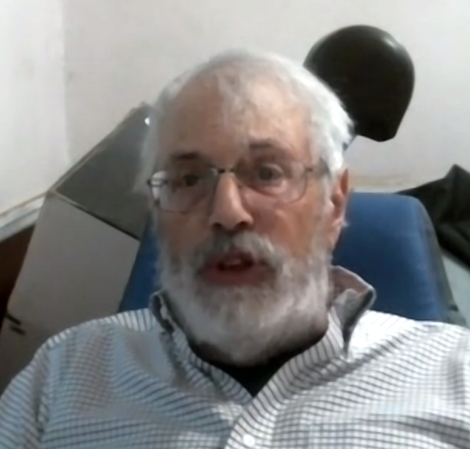
“The town is a long way from done with us,” said Mitchell Greenwald, an attorney representing Trùc’s Orient Express. “We’re eager to work with them [the selectboard] on this, but we can’t do it from a point of view of self-praise and denial of facts.”
That drew the ire of Shimelonis who responded that, “Mitch Greenwald was on the planning board from 1986 to 2016 for this over the entirety of Harris Street being closed down…here we are, great work.”
Greenwald tried to respond but was unable to since the Zoom meeting had been set up in such a way so as to only allow those designated to speak to unmute their microphones.
“I am grateful for the spirit of trying to work together between her [Amy Brentano] and myself,” said Trùc Nguyen, the proprietor of Trúc’s Orient Express. “It’s appreciated from my end and my family’s end.”
Nguyen, however, was still frustrated at the state of affairs that led up to this dispute. “We are essentially landlocked,” she said. “Legally, you have crippled us.”
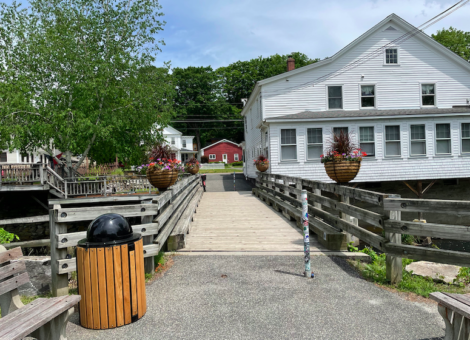
Beginning in 1991, the Harris Street bridge that was connected to Main Street was closed to vehicular traffic, eventually being replaced in 2001 with a pedestrian footbridge. That move largely landlocked Harris Street, its only public connection being through Spencer Road, a dirt road that runs through private properties, and is not maintained by the town.
To understand the crux of this dispute is to understand several disagreements and controversies underpinning it. First: the ownership of the road that runs from Center Street to Harris Street. It is a private drive, belonging to The Foundry, but has been maintained by the town of West Stockbridge.
Second: should the town continue to maintain the private drive? This issue has animated several citizens. “The town’s been paying to sand and maintain that [road] … now you’re saying it belongs to The Foundry? Are they [the town] going to continue to take care of it at the taxpayer’s expense? You can’t have it both ways,” said Sharon Vidal, a West Stockbridge resident.
Third: was the town proactive enough in preventing this kind of issue? Documents show that as far back as 1995, the town of West Stockbridge had some idea that a potential issue could arise as a result of Harris Street being cut off from any main road.
Selectboard meeting minutes from May 18, 1995 show that West Stockbridge began looking into a potential arrangement for the turnover of the private road. According to minutes from December 5, 1996, the town was still attempting to acquire the road, proposing a land swap “to ensure a public way from Harris Street to Center Street.” In June of 1999, the town paved the private drive, paying $5,400, according to an invoice obtained by The Edge.
It is unclear as to what happened between December of 1996 and June of 1999. “I have always plowed it, salted it, and patched it for 26 years,” said Curt G. Wilton, the town’s highway superintendent. “The argument is always there for assumption. Assumption, assumption.”
The town of West Stockbridge has been, in conjunction with other towns, in a master planning process for the past few years, seeking solutions to fix the town’s street grid. “The Harris Street problem is not and was not new to us,” said Shimelonis.
The town has made moves to purchase some land owned by National Grid, just off of Moscow Road, in hopes of extending Harris Street as a longer term solution. According to Shimelonis, the paperwork finalizing that deal was imminent.
As The Foundry and Trùc’s enter into negotiations surrounding their agreement, it is unclear what the next step will be. “The best thing I heard tonight is that Trúc and Amy are talking,” said Joe Roy Jr., a West Stockbridge resident and businessman. “Try to solve the problem. You’re doing more than anyone else right now.”