Native wetland plants are among the most alluring flora individually and in wild and garden communities. Myriad winged and six to eight-legged pollinators are associated with a vast diversity of herbaceous and woody vegetation in marshes, wet meadows, hardwood swamps, bogs, and fens.
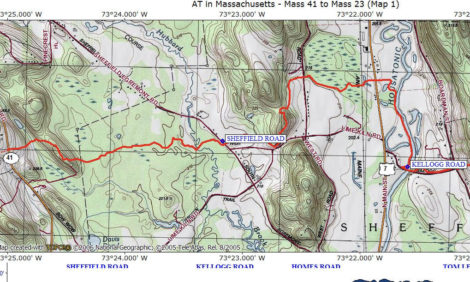
Ted Elliman, long-time New England botanist and author of “Wildflowers of New England,” led a large group of enthusiasts in an introduction to Wetland Plants a few weeks ago. Participants assembled at Berkshire Botanical Garden (BBG) in Stockbridge for a classroom session devoted to the characteristics and significance of diverse wetlands, with a preview of vegetation to be seen in the field on a guided tour of a Sheffield wetland. Wetlands are at their mid to late summer peak. See the map below for directions to the trail enjoyed by the class.
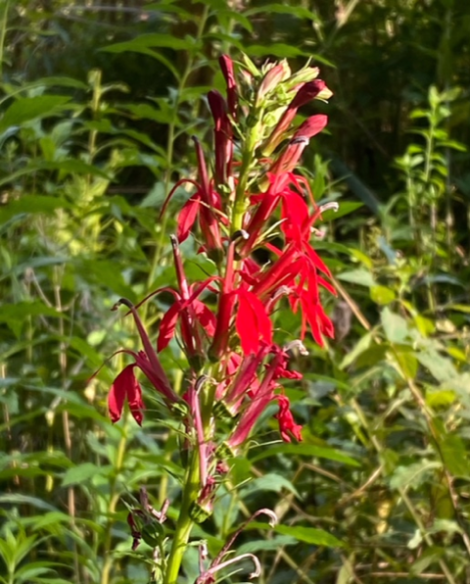
Photo by Honey Sharp.
Lessons learned in wetlands are immediately relevant as wild habitats are increasingly diminished and lost to human schemes. Landscape and garden designers are compelled to increase biodiversity that supports pollinators in all projects, no matter how small. Many outstanding wetland plants thrive in loamy beds rich in organic matter in ordinary garden conditions.
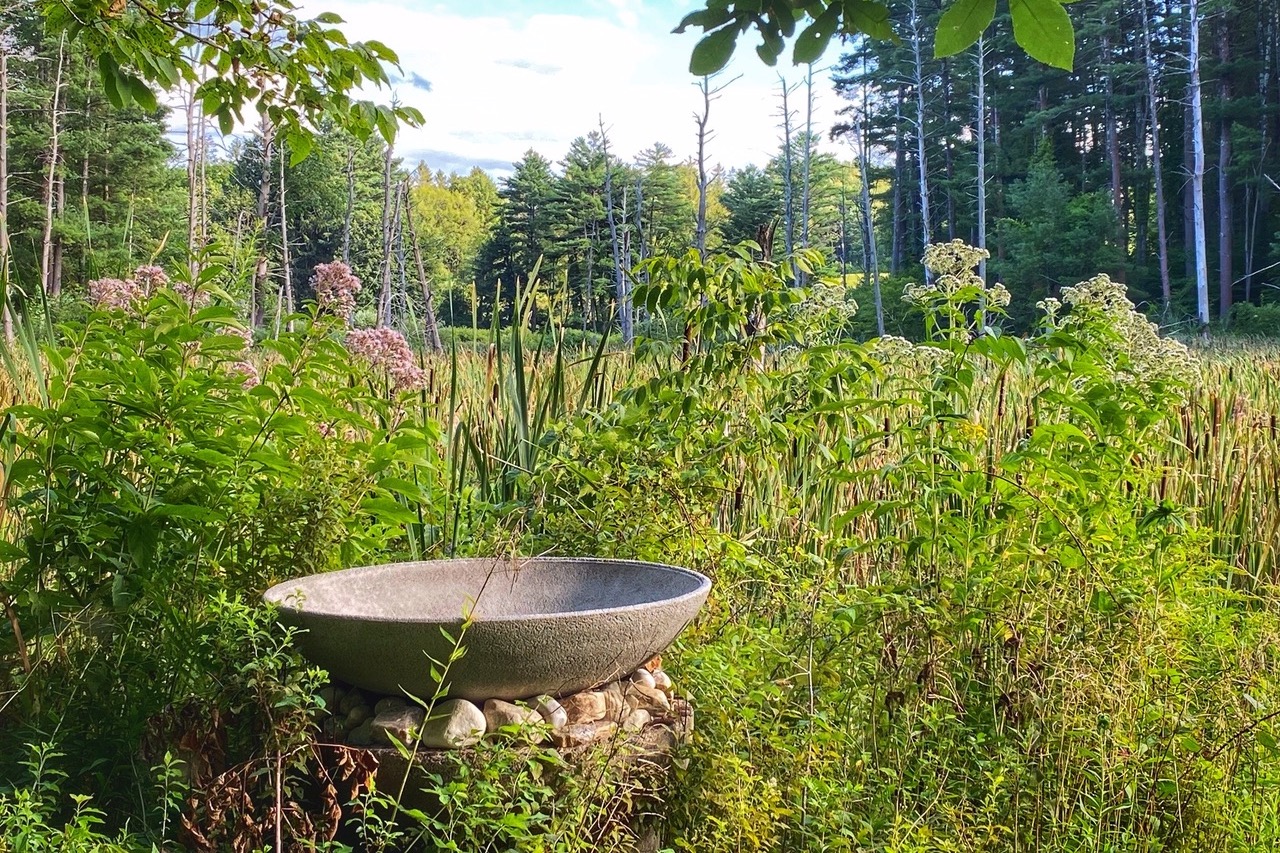
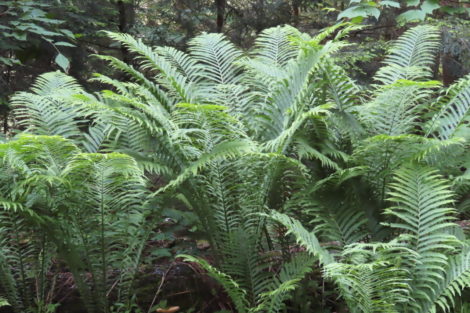
Red cardinal flowers (Lobelia cardinals) and blue lobelia, aka great lobelia (Lobelia syphilitica), are magnets for hummingbirds in sun to part shade. Referring to the top-of-page photograph, spotted Joe-Pye weed (Eutrochium maculatum), its deep pink umbels on stems reaching to 8 feet tall, is an insect feeder in sun and part shade. Dramatic ostrich ferns (Matteuccia struthiopteris) thrive in part-shade to shade. White turtleheads (Chelone glabra) are found in sunny locations but prefer part shade.
Ted Elliman elucidated the vital ecosystem functions accomplished by intact wetlands, including serving as water filtration and recharge areas where pollutants are removed and flood waters stored and discharged slowly, preventing erosion. Wetlands protect the whole food chain and regenerate the food cycle’s base, the micro-organisms including insects, snails, and worms that feed the fish that feed larger organisms including us. Wetlands provide wildlife a place to live.
When we consider all the disparaging remarks about swamps, antidotes are needed. Please explore the following leads:
- From the EPA, “Wetlands are among the most productive ecosystems in the world, comparable to rain forests and coral reefs.” Click here for the EPA website.
- From Wetlands.org, “Wetlands cover just 7 percent of the planet but are home to 40 percent of the world’s biodiversity. Over one million threatened species of plants and animals depend on wetlands for their survival.”
December 25, 2022. Photo by Judy Isacoff.
On September 24 at BBG, Ted will teach Identifying Invasive Plants in the Landscape—Ecological impacts and population trends of many of the invasive trees, shrubs, vines, and herbaceous plants that grow in forests, fields, and wetlands in Berkshire County. Click here to register.
From Ted’s July 30 program: