Lenox — Although Kathy and Paul Killeen have enjoyed daily walks in their adopted town of Lenox since the couple relocated to the area a couple of years ago, they have had to be cautious of their step, given the deteriorated condition of the local sidewalks.
“We live on East Street and we walk Housatonic Street into town, and that sidewalk, particularly, needs improvement,” Kathy Killeen said. “It’s a very bad sidewalk.”
“We walk that [path] all the time and it’s in bad shape,” Paul Killeen said.
For the Killeens, the trepidation over their exercise regimen is about to change.
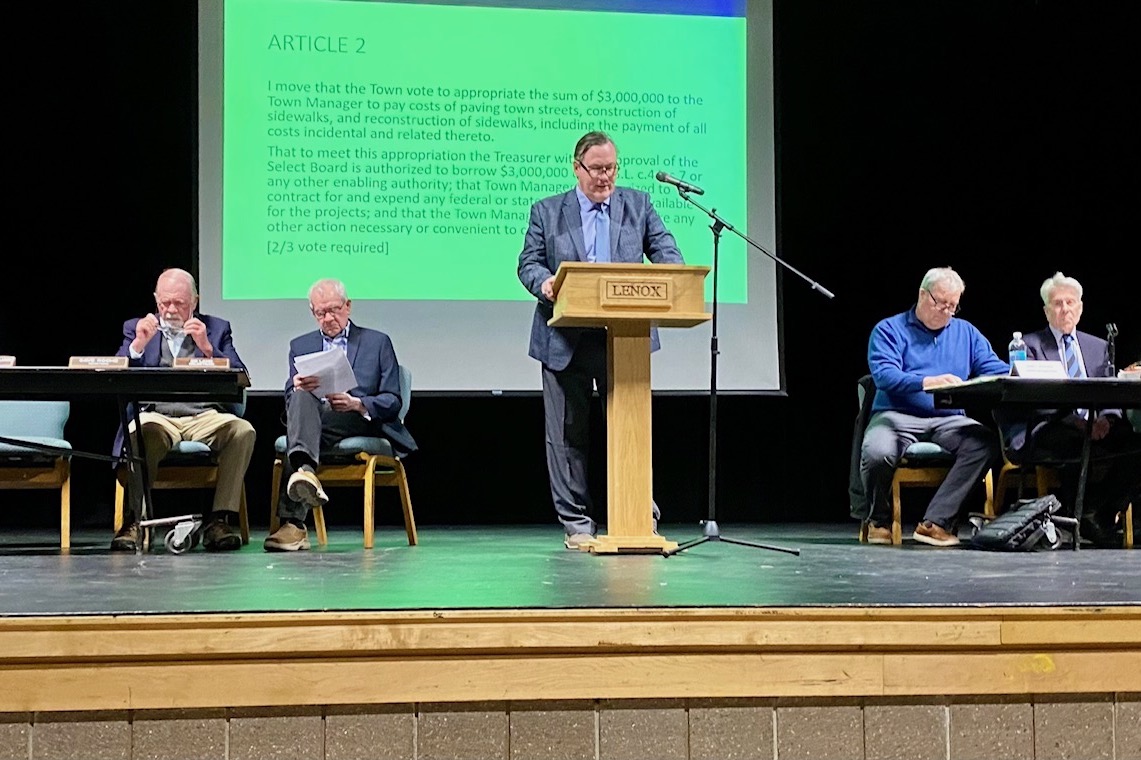
On November 30, Lenox citizens unanimously approved a $3 million appropriation for street paving, sidewalk construction, and sidewalk repair. Presented by Select Board member Neal Maxymillian, the article addressed a request he said has spanned over the past six or seven years to push forward summer construction projects in the fall “so that the projects can be designed and bid during the wintertime.” He said the town could get more competitive bids now instead of waiting until the spring when contractors have already scheduled their warm-weather projects.
The allocation covers two main projects: the reconstruction of Housatonic Street from the bypass to Crystal Street, including adding a sidewalk from East to Crystal streets, as well as the reconstruction and replacement of sidewalks on Church and Franklin streets. The project is timed to be in conjunction with the replacement of the town’s sewer system that would entail damaging the sidewalks. “So, this is the authorization to replace them,” Maxymillian said.
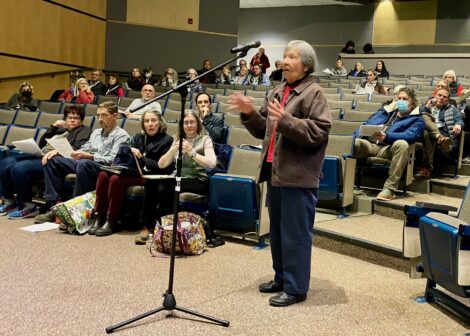
Officials said the road improvements may also somewhat help the downtown’s flooding issues by reshaping the pavement, with a future project in the pipeline focused on drainage. One citizen suggested making the brick pavers that are removed from the streets available to residents for their use.
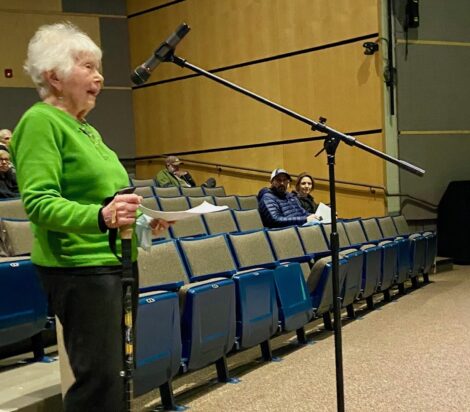
Olga Weiss, who chairs the Lenox Historical Commission, read an email from an architect in the group who requested the town address the cohesiveness of the entire downtown streetscape, “a plan with long-term impacts to the entire look and feel of the downtown.” She said design professionals should be used through a competitive request for employment.
Following a successful amendment by resident Roberta Bianco that added a report to the citizens of Lenox be required by February 1, attendees unanimously approved a $100,000 one-time expenditure for the services of engineering firm Weston and Sampson for consultation related to the ongoing review of the Housatonic Rest of River cleanup. February 1 is the deadline for public comments to the October 31 General Electric Company transportation plan for the dredged toxic-waste materials stemming from the Housatonic.
The implementation of the 2020 remediation plan has begun, Select Board Chair Ed Lane said, with the town needing to analyze those plans and proposals. “The town does not have the expertise in house for the highly technical and complex evaluation needed for this project,” he said. “Lenox is determined to bring as much analytical fire power as possible for each step of the process, beginning now and progressing through the entire cleanup. We need to contract with outside experts to make sure that Lenox’s interests are represented to the maximum extent possible at every stage of the process. And this is going to cost money.”
Although Lenox received $25 million compensation from GE, Lane said those funds can’t be used for a year, after which the monies could pay for this type of expenditure.
Residents unanimously appropriated just over $95,000 to the town’s Affordable Housing Trust, with those funds stemming from 25 percent of the short-term tax revenues and intended to assist qualified first-time home buyers.
Following an explanation by Lenox Planning Board Chair Tom Delasco, citizens approved new regulations governing solar panel arrays, provisions he said were crafted to comply with state law requiring such installations be permitted while limiting the intensity of their use.
Although Lenox attorney Jeffrey Lynch argued disapproval on behalf of his investor client, residents passed new regulations that Delasco said were intended to close a loophole that allowed former apartment rentals amenable to service industry workers to instead be offered as short-term rentals. Lynch stated the former regulations in place were beneficial to the town as they forced his client to adhere to safer standards for tenants, while Planning Board Member Susan Lyman said passing the measure would ensure teachers and young people could live in the community.
Attendees also unanimously passed the creation of a Debt Service Stabilization Fund that will include $1.75 million transferred to be used to pay down loans for construction projects—sewer plant and a public safety building—as they come due so real estate taxes aren’t affected.