“My father founded the business, but we are now run by an independent Board of Directors and a Senior Leadership Team. We think of ourselves as a growth business penetrating into specific market areas.” — Matthew Boyd, CCO, Boyd Biomedical
As Matthew Boyd explains the origin story of the company “My father was drafted in the Vietnam War. His experience in the army during that time helped him build the entrepreneurial fortitude to start his own business.” Bronly Boyd’s initial company, Boyd Converting Company (founded in 1979), was a spillover from the converting rooms in paper mill manufacturing operations that make that paper into something else. Bronly began with a simple goal: to provide highly valued services to customers developing complex technical products. That business eventually became Boyd Biomedical, a critical linchpin in the vast, ever-growing healthcare industry.
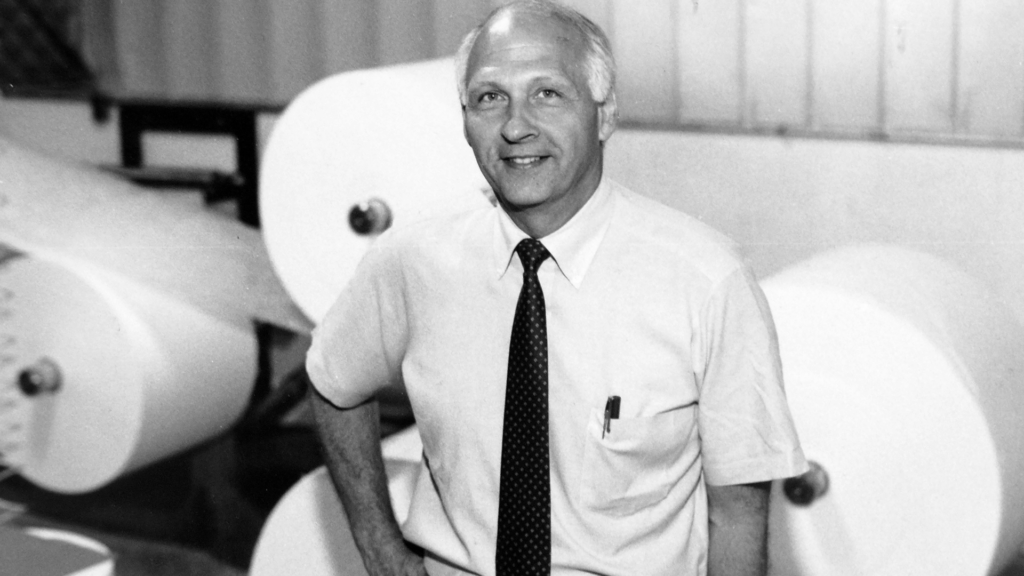
“Our deep technical expertise and our commitment to quality are rooted in those early days,” Matthew notes. That early business was focused on selling papers, films, nonwovens, and flexible materials to material manufacturing customers and understanding their businesses. “We were incredibly diverse, selling simple consumer products (post-it notes were their first product) and industrial components.”
Transitioning to a new focus
“Dad transitioned the business years later to more contract manufacturing focusing on consumer products, like the Clorox Ready Mop, which was a multi-layer laminated pad,” he continues. “Those products left the U.S. in the 90s, partly due to offshoring and partly due to the globalization of paper mills, de-emphasizing their footprint in America. We saw the global and contractor manufacturing moving offshore and started thinking strategically about how to focus on growing our business in the health care and biotech sectors.”
Their technical expertise is rooted in advanced materials from their early days working with material manufacturers. “This gave us exposure to the life sciences industry, where we saw opportunities to add more value by designing and manufacturing more complex products,” he explains. Slitting is an example of a legacy capability that is more simple.
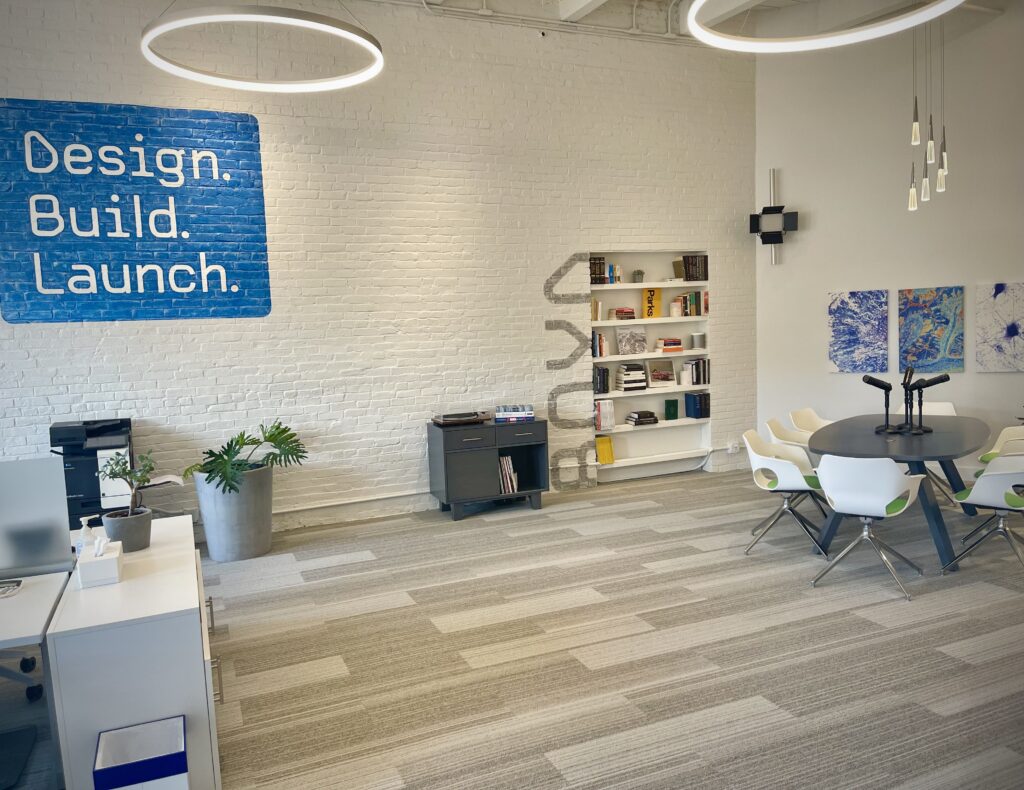
In Q4 2022, Boyd Technologies successfully transitioned to Boyd Biomedical and announced its rebranding—”Design. Build. Launch.”—and new growth strategy. “Today, we focus our expertise entirely on services supporting biomedical innovations, helping our customers commercialize breakthrough innovations,” Matthew states, “building the team and capabilities necessary to support partners who bring lifesaving technologies to patients around the world.
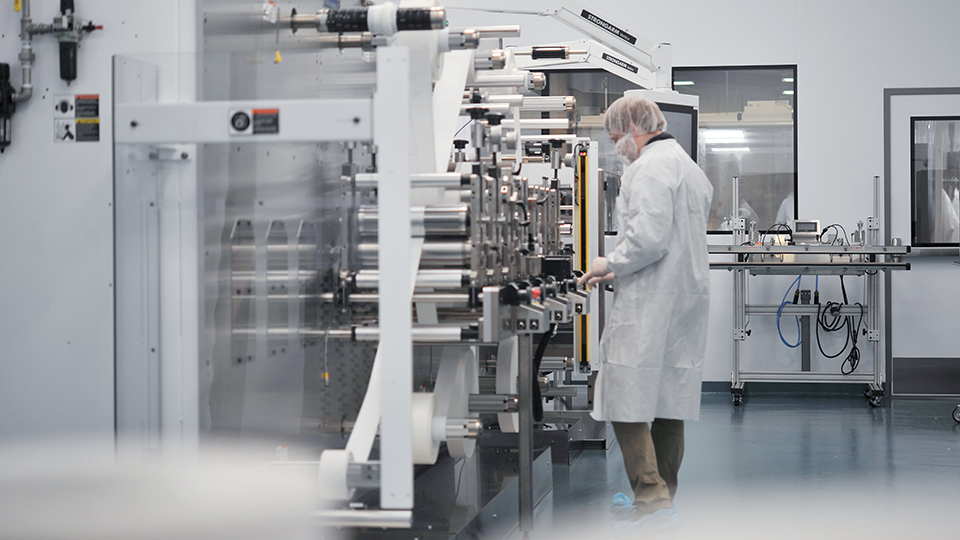
The four specialized markets Boyd Biomedical works in today are Stick to Skin (such as wound care and remote monitoring devices), Single Use Assemblies (bioprocessing bags and tube set assemblies), In-Vitro Diagnostics (5-7 layers of flexible material bonded together with chemical elements, such as Covid test strips), and Drug Delivery/Fluid Management (formulation, mixing, and filling of liquid media). “We provide end-to-end services, from early-stage product design to manufacturing and fulfillment operations,” he adds. They looked at areas with the greatest growth and profitability to determine those target markets.
Engaging—and trusting—the second generation as leaders
Stephen Boyd recalls leaving the Berkshires and thinking he was never coming back. After graduating from Middlebury College, he was hired as an associate at the Economic Growth Group in New York City and assistant editor with Ski Magazine.
During that time, he started returning to the Berkshires on weekends, often bringing office friends, and discovered through their eyes that “the Berkshires were pretty cool.”
He joined his father’s business in 1999 as a regional sales manager, was promoted to Vice President of Sales and Marketing in 2003, and took over as CEO in 2007. He now proudly calls the Berkshires home. “We have deep family roots, business-savvy people, world-class culture, incredible food, beautiful natural resources, and close proximity to New York and Boston,” he notes, “making this a great place to launch from.”
Matthew earned a B.A. in Economics from the University of Vermont and an MBA from the F.W. Olin Graduate School of Business at Babson College. He worked in Fixed Income Sales and Trading at Citigroup Global Markets before joining Boyd Biomedical in 2007 as Vice President of Business Development. He now serves as Chief Commercial Officer.
“The financial crisis of 2008 was an awful time, with a significant decrease in revenue,” Matthew notes. Although it felt like “the final breath of a dying domestic manufacturing industry,” they gained momentum by reinvesting in their manufacturing base and gaining public support. “It took a lot for my dad to get it off the ground, and it’s also taken a lot to keep it going and thriving, but we’re proud of where we are now,” he states.
What was it like to take over the business with their father serving as board chair? “He is a very progressive dad,” Stephen acknowledges. Describing the first years after the shift in leadership, he shares, “I would tell him a management issue and lay out the scenario and then wait for him to tell me what to do. Instead, he’d respond, ‘I totally understand, and I know you’ll make the right decision.'”
That trust and conscious decision to encourage Stephen and Matthew to take the business in their desired direction led to even more growth and innovations. It also led to changes in their Lee facility between 2015 and 2017, helping them transition from the “homey feel” (warm colors and wood trim) of the early days to the “crisp white modern feel” the facility has today.
COVID boom and reverberations
While Covid brought isolation for many, for workers at Boyd, it was “an insanely busy, crazy time,” Matthew states. “We went from 0 to 100 overnight.”
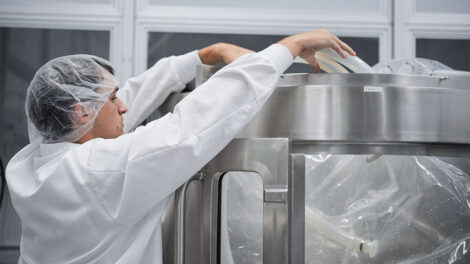
He describes those early pandemic days as brutal—not only due to mask and distance requirements within the production facility but also due to the extreme and urgent demands of the healthcare industry. Because their existing customers (and their customers’ patients) still needed the products they were already making, Boyd Biomedical couldn’t just shut down or switch to producing face masks. They had to address the need for COVID-related products (in unfathomable numbers, produced in record time) on top of patients’ existing needs.
“It was such a different experience from 2008,” Matthew says. “We still needed to meet our regular volume while addressing the needs of the Massachusetts Emergency Response Team in terms of trials, development, and sourcing of work.” Fortunately, hiring overtime staff had been a regular practice since 2001, so the necessary personnel was already in place, but none of the production staff ever stayed home.
“Overall, it was a positive for our industry,” he notes, “reinvigorating industrial policy and ongoing manufacturing” and increasing government and business collaboration. Stephen served (and still serves) on the Advanced Manufacturing Collaborative, which is administered by the Massachusetts Technology Collaborative and reports to the Secretary of Economic Development (part of the governor’s executive team). He currently also sits on Governor Healy’s Life Sciences Economic Advisory Council. “We feel very grateful for the collaboration and support we have in Massachusetts in partnership with the government and across industry trade groups,” he states.
Boston, a growing epicenter in the healthcare industry
Boston is one of a few global centers in the healthcare industry with an unparalleled concentration of academic, hospital, and corporate labs. “The innovations are coming from there, so it makes sense that Boyd Biomedical has opened an office in Boston, and Matthew has a strong presence there, meeting with industry leaders in early-stage discussions,” Stephen explains.
“The healthcare industry is going through an evolutionary time,” he continues, fueled by the convergence of technological advances like the Apple Watch and new methods of delivering drugs. “Technological advancements like telehealth and remote patient monitoring, developed in response to the pandemic, are not going away,” he states. “Personalized medicine is here—now we’re focused on building hospitals without walls to provide at-home care.” He believes we will see a continued disruption in health care, including more remote monitoring devices, biomarkers, self-testing kits for at-home use, and auto-injectors.
Due to continuing supply chain issues, big companies like Johnson & Johnson and Boston Scientific are increasingly turning to smaller companies to keep up with growing demands. Where companies typically paid for time and materials but were reluctant to pay for design services, they now rely on companies like Boyd Biomedical to take them from design to launch (including navigating all of the necessary regulations to get devices approved) to production.
“Once we have a company’s business, it becomes a recurring contract,” Stephen notes, highlighting the commercial services and creative partnerships that have become the new normal (for example, pairing kit packing devices made elsewhere with devices made at Boyd and then shipping them out).
A case study in collaboration
“Massachusetts is home to a world-class innovation ecosystem globally recognized for research and development and its healthcare systems. In addition, it is home to many of the most notable startups and industry leaders across the biomedical community,” he states, adding that it isn’t an accident or an inevitability that this ecosystem exists.
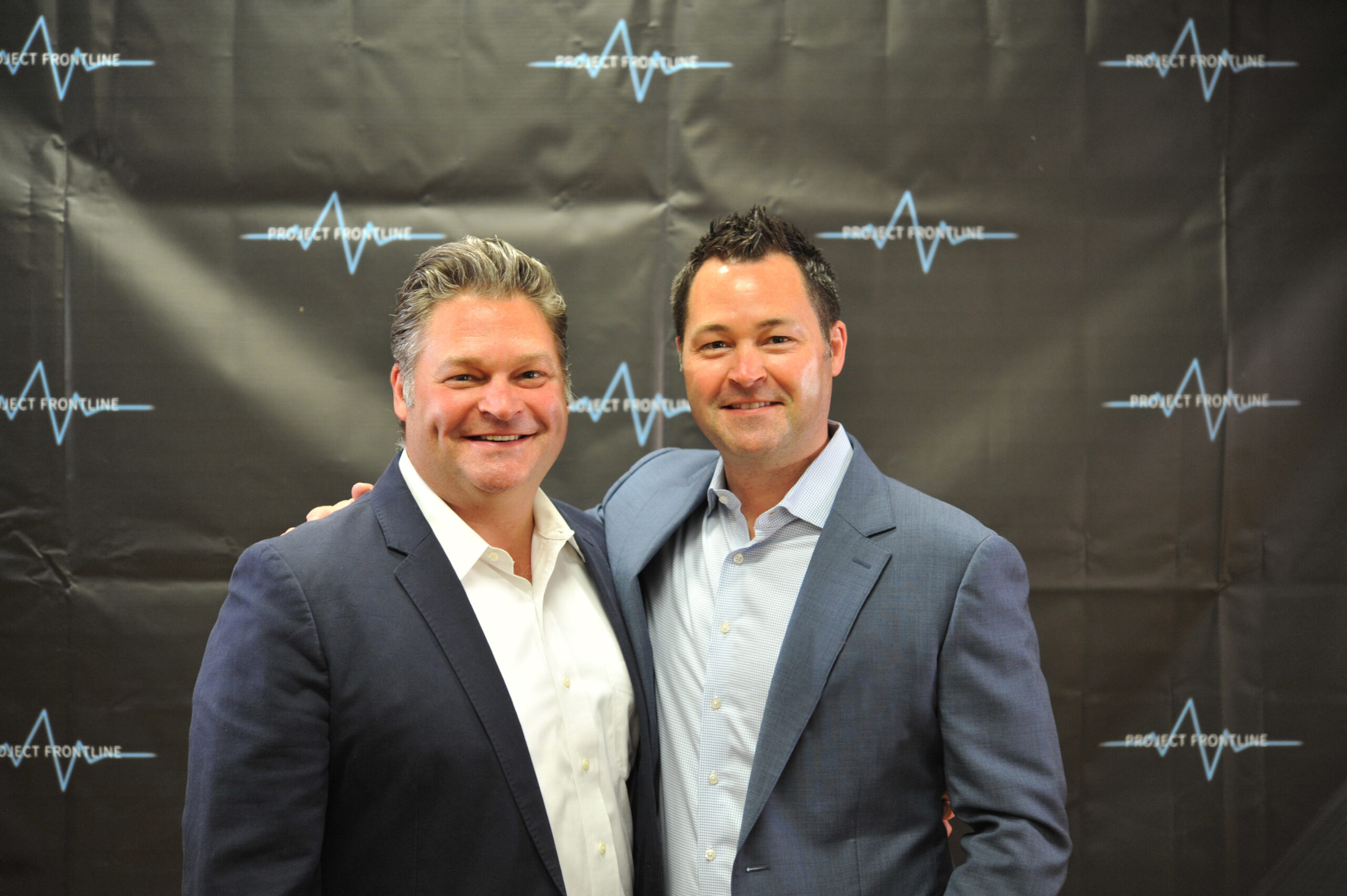
Boyd Biomedical began exploring this ecosystem—the challenges it faced when there weren’t enough ventilators or PPEs to keep people safe, and the way health systems, academic centers, companies with technical expertise, and manufacturing facilities came together in response to the pandemic—through a documentary film called Project Frontline. The “uniquely Berkshires” project, made possible by the world-class artists who live here, is an inspiring story of innovation and collaboration in a time of crisis and a cautionary tale about how vulnerable the U.S. is without a strong manufacturing base.
This project led Matthew to wonder, “What if we could capture on video the design and story behind each device we make and include it when we launch the device as part of the full platform?”
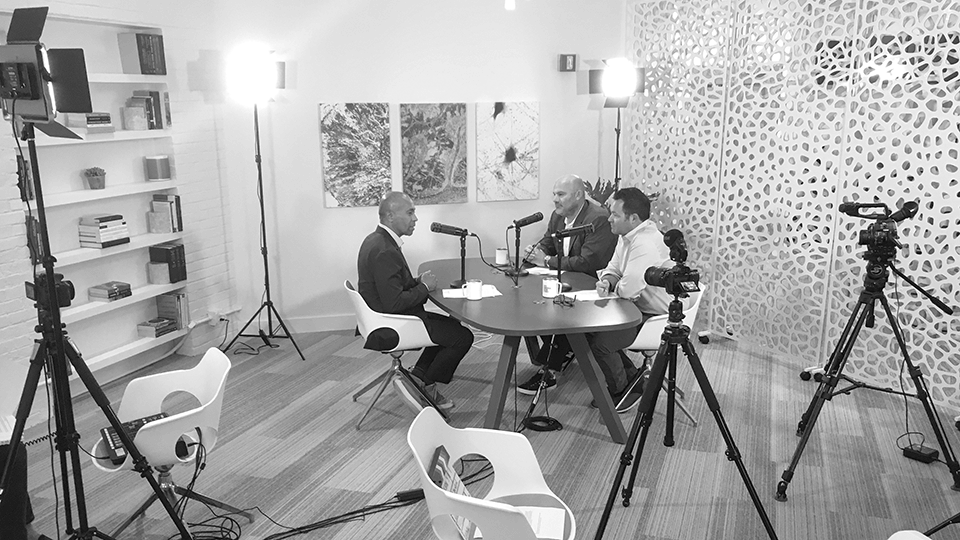
Answering that question, he developed a new ongoing series, Boyd Biomedical Design Stories—which includes “thoughtful discussion about how innovation, advanced manufacturing, and public-private partnerships work” and “in-depth interviews with the experts and entrepreneurs working across industry leaders, startups, healthcare systems, government, and academia.” As Jim Biggins, President and CEO of Access Vascular, explains in his interview, “Do you manufacture in the U.S.?” is a critical question now due to shipping and supply chain issues. In addition, companies are looking for guaranteed supply to be part of the production agreement.
When the company decided in 2008 to focus on health care, dividing their efforts between biomedical devices that span target markets (70 percent) and legacy customers (30 percent), they knew finding employees would be an ongoing challenge. “We need to develop a population of STEM workers in the Berkshires. Because of the complexity of microfluidics and other materials, those people need to have a college degree, but housing costs often scare people away,” Matthew notes.
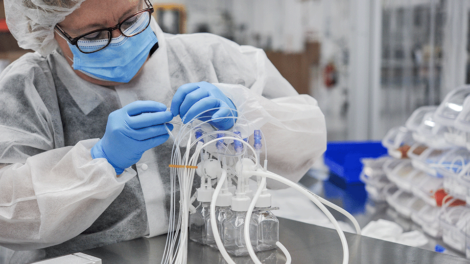
Since 2015, they have tripled their technical and engineering staff and now have 70 employees in Lee and five in Boston. The average length of employment is 16 years—a tribute to choosing people with ties to the region and offering robust options for career growth. In addition, the work itself is stimulating and rewarding, with “a high volume and variety of product design, manufacturing, and commercialization programs and opportunities to work collaboratively with some of the most exciting life sciences companies in the world.”
Now 43 years old, the company is privately held and overseen by a Senior Leadership Team and an independent board of directors. Bronly Boyd continues to chair the board. “Collective wisdom always wins,” Stephen says, affirming the vital role the board plays.
With exciting innovations for treating cancer, identifying infections at home, monitoring and delivering insulin, and more, it is an inspiring time to work in the biomedical industry. Design. Build. Launch. The industry is thriving, and the future is bright.