One of the joys of gardening is learning from others. And every week in September, as I teach my class at the Berkshire Botanical Garden, the fresh perspectives I get from the students allow me to see the world around me differently. Ten years ago, an herbaceous plants class would have been focused on peonies and iris, lady’s mantle and tulips, and other typical ornamental plants. For years now, though, I have been noticing a shift in the interests of the students—a desire to grow food during the pandemic years, followed by a connection to providing habitat for pollinators, and now for the last few seasons an almost singular interest in native plants, with this year bringing a growing interest in seed saving, managing invasives, and creating permaculture and food forests.
Watching this progression and evolution of how we garden has been inspiring, and often seems to reflect a changing understanding of our connection to the world around us. Gardens grow and change, just as times and trends come and go. The Victorians loved annuals for bedding, followed by the Edwardians who loved a naturalistic style of garden more prone to perennials and shrubs. Now we are in a time that I hope is coming to an end— the present-day era of the boxwoods and hydrangeas. Or at least I hope we will soon see an expansion of popular plant material. (Has anyone noticed that there are gardens comprised of nothing other than these two genera?) But one cannot help to think that perhaps these fads also reflect their times in other ways. The Victorians embraced exotic annuals as they arrived to them from abroad. Perhaps the Edwardians went more natural in response to the destruction of their landscape in the Industrial Revolution, and maybe even the boxwood and hydrangea era reflected the monoculture of the big box stores and the corporatization of everything. I must say that the singularity of this last trend has me being dismissive of boomers, though I am working hard to break myself of this prejudice.
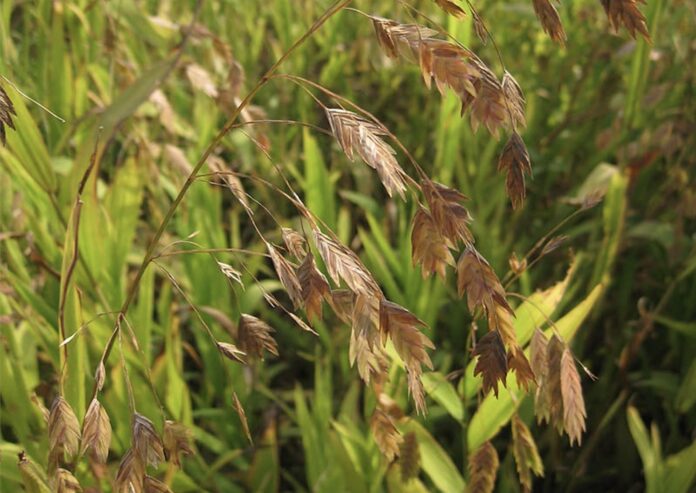
All of this leads up to one of my students raising a question about why we seem so focused these days on invasives and natives. Is it a reflection of our current border policies? The student, who was born in Italy, called into question our assumption that foreign plants are aggressors by asking who determines what belongs where. She was not advocating for any particular plant; she was merely questioning what gives us the authority to declare that a non-native is invasive but to ignore the aggressive nature of natives that take over the landscape— a thought not lost on me as I spent the last week thinning native Northern sea oats out of my side border where they had consumed almost everything in their path.
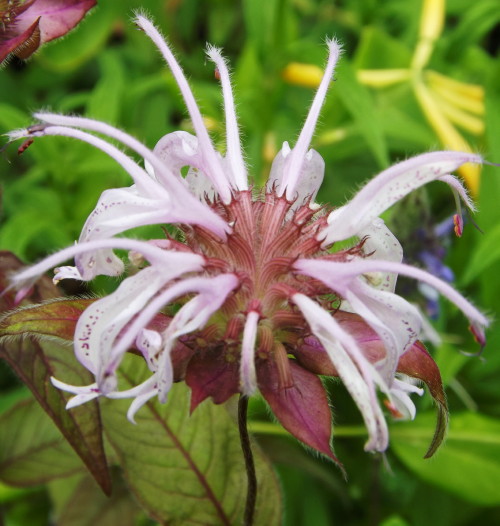
She was not dismissing the destructiveness of kudzu, nor undervaluing the purpose of flowers such as Monarda bradburiana that support local pollinators. She was simply asking why we don’t evaluate plants based on their merits and their ability to play well with others, rather than on their place of origin. I do not know what next year’s class will bring, but I am hoping there will be more people like her, looking around the world and assessing things based on the most important qualities of all —their merits. And who knows? Maybe it will lead me to add a few more hydrangeas into my own garden?
____________________________________
A gardener grows through observation, experimentation, and learning from the failures, triumphs, and hard work of oneself and others. In this sense, all gardeners are self-taught, while at the same time intrinsically connected to a tradition and a community that finds satisfaction through working the soil and sharing their experiences with one another. This column explores those relationships and how we learn about the world around us from plants and our fellow gardeners.