Happy almost equinox! We are approaching the autumn equinox on September 22 this year. This coming Monday, we will have a day and night of almost equal length. Your perennials, trees, and shrubs have anticipated this already as the leaves change color with the decreased light intensity.
But some plants have adapted to bloom now when competing plants may be going dormant. Leadwort (Ceratostigma plumbaginoides) originated in China and continuously blooms from mid-summer to frost in part sun to shade. The leaves and seed heads turn mahogony as the days get shorter. This plant stays low and adds color to the fall shade garden while attracting late-season pollinators. Interplanted with spring-flowering bulbs, this foliage will hide the bulb foliage that dies back in spring. Plant with caution as it can spread in ideal conditions.
Sensitive fern (Onoclea sensibilis) has already anticipated the end. A prolific fern that spreads easily via rhizomes to blanket moist shady spots, sensitive fern turns yellow at the slightest chill and will die back at first frost. Choose this fern to fill areas in summer that you want to ignore come fall and winter.
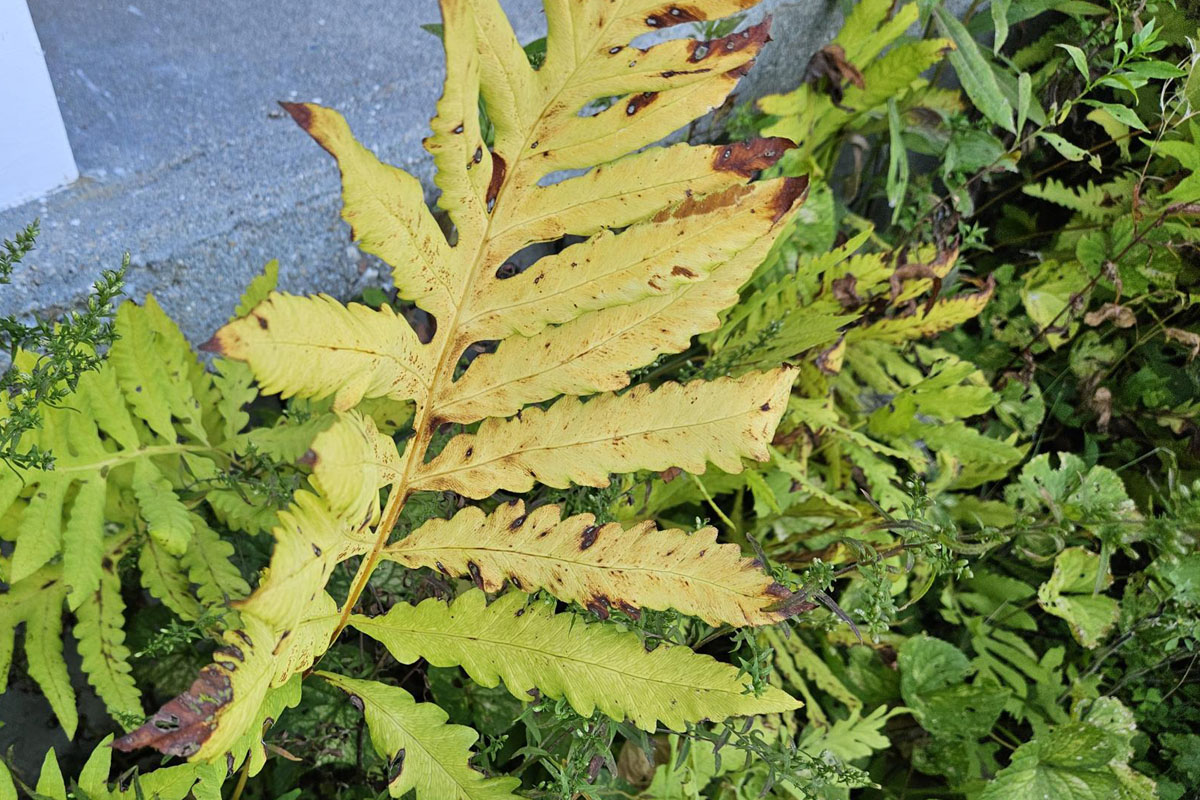
Our recent warm weather has spurred the aggressive weeds to keep growing!
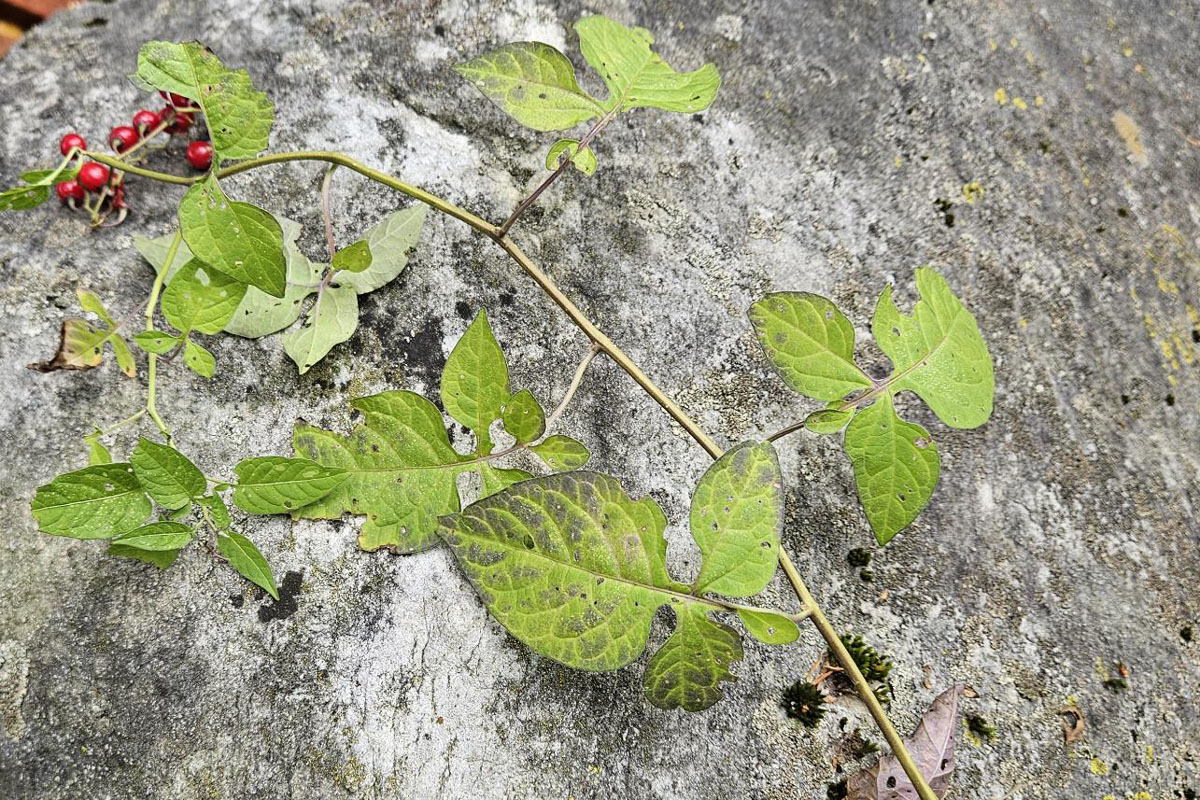
Keep identifying invasive and noxious weeds, asian bittersweet, hardy kiwi, and vining bittersweet nightshade. Mow back now or pull up if you can get all the roots. If you have a serious infestation, consult with your garden center about appropriate herbicides and how to apply them. September is a good time to apply herbicides that attack perennial roots because the plants are drawing energy into the roots as they prepare for dormancy.
While I am leaving many seed heads of cosmos for the finches and sparrows, I suggest collecting seeds on a dry day from these and other annuals like zinnias. You can also gather a few seed heads of perennial coneflower or milkweed pods. We have many dry days coming up in the forecast, so the seeds should store well. Allow the larger seed clusters or pods to dry thoroughly by storing in a paper bag in a dark, well-ventilated location. I also store some in envelopes saved from junk mail solicitations. I mark the containers with the plant and the year I gathered the seeds. In late fall, I will pop open the mature milkweed pods and let the seeds float to areas of my meadow where they can overwinter and germinate next spring.

While walking about with snips and pruners, cut back perennials that tend to reseed uninvited like primrose, phlox, joe-pye, and goldenrod. In particular, the seeds of hybrid perennial selections will not come true to the parent plant. Open-pollinated natives may overrun some of your favorites and leave you with less garden diversity as well.
I know I want to catch the last days of summer. Your plants will be taking advantage of the warm soil and sunshine, too. Now and into October is a great time to add perennials, flowering shrubs, and deciduous trees when they put energy into their roots. Put in a few weeks of dedicated watering now to help them get established, and then come spring, they will be ready to grow in earnest. Most garden centers have end-of-season deals as well.
Warm weather means my vegetable gardens keep producing! The tomatoes have been top notch, and I accidentally found another cluster of cucumbers. They had escaped the raised bed and exploded under some overgrown grass!

Squash like pumpkin are ready to harvest when the side touching the ground turns yellow and the skin is firm. Harvest squash before frost, and allow to cure in a warm, dark, and ventilated location before storing long term in a cool basement or root cellar.
I am collecting carrots every few days and waiting on the beets to get larger. Fresh lettuce greens, seeded six weeks ago, are ready to be picked as well. My Brussels sprouts have been chewed by something, but I have not found any cabbage worms and no worm “waste.” I am not sure what else it could be, so I suppose a thorough spray of Bt for caterpillars would be a good idea. The Bt (Bacillus thurengiensis) is a bio-rational spray that targets specific pests. Sprouts will form along the stems soon. These plants will keep growing until November, so I will keep inspecting and watering them.
I call myself the Lazy Berkshire Gardener because I don’t want to work too hard in my gardens. I want to enjoy them. I find it easier to observe my landscape and let the compost happen, the water pool up, or daisies to self-sow. I look for ways to do the minimum task for the biggest impact. For example, mulching is better than spraying and much better than weeding all season. I look for beautiful, low-maintenance plants that thrive in or at least tolerate my garden conditions. Plus, I am willing to live with the consequences if I miss something.