Hooray for the rain at my house! I hope last weekend’s severe storms left your property watered but otherwise undamaged. I skipped the watering on Sunday, and that freed up time to apply repellents and keep pulling large weeds with prolific seeds.
Cooler overnight temperatures mean it is time to rotate your houseplants indoors a few hours at a time. If you don’t reacclimate them slowly, you will notice more leaves dropping once indoors. The plants will recover, but they become more susceptible to pests when weak and stressed. Spray them with mild insecticidal soap outside and allow to dry. When you bring them back indoors full time in a week or so, bring them to a shower or tub and spray all leaf surfaces again with the soap. Allow to dry and then move them to their indoor location.
It is true: September is a great time to plant trees, shrubs, and perennials. The soil is still warm and roots will spread with proper moisture. Typically, New England gets more rain in September and October than in the summer months. Watering regularly becomes easier.
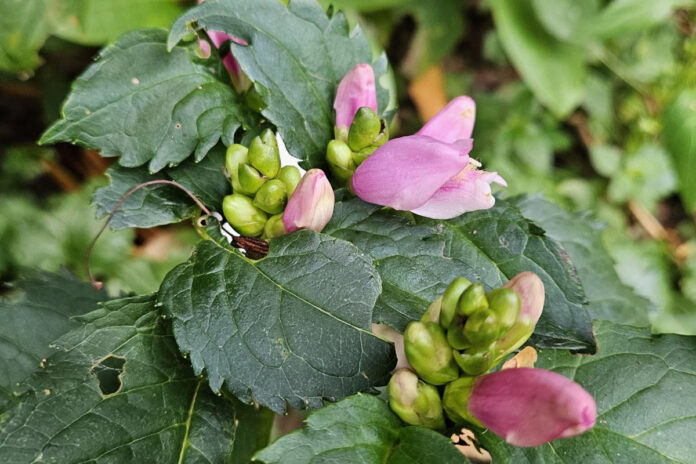
I have greedy eyes and love whatever is in bloom at the time. For a season full of blooms, shop every few weeks to spot potential new perennial plants. That goes for autumn, too. While goldenrod appears everywhere accompanied by coneflower, black-eyed susans, and asters, turtlehead also blooms now. Turtlehead (Chelone lyonii) flowers look like a turtle’s head poking out of the shell. The glossy, dark green foliage contrasts with the other late summer foliage, too. Plant turtlehead in part shade where the soil stays moist. Mine does well around a downspout.
Last weekend, I also took a moment to apply deer repellent to my “valuable” landscape plants. What is valuable? Well, the primary target plants in my garden were fall-fruiting raspberries. We are just getting to harvest these tasty berries now, and hundreds are forming at the bramble tops. They come after the swarms of damaging beetles, but one hungry deer could destroy most of the crop. Your valuable plants might be special ornamental evergreens, fruit trees, vegetable gardens, hydrangea, roses, or dogwoods. You decide and prioritize.
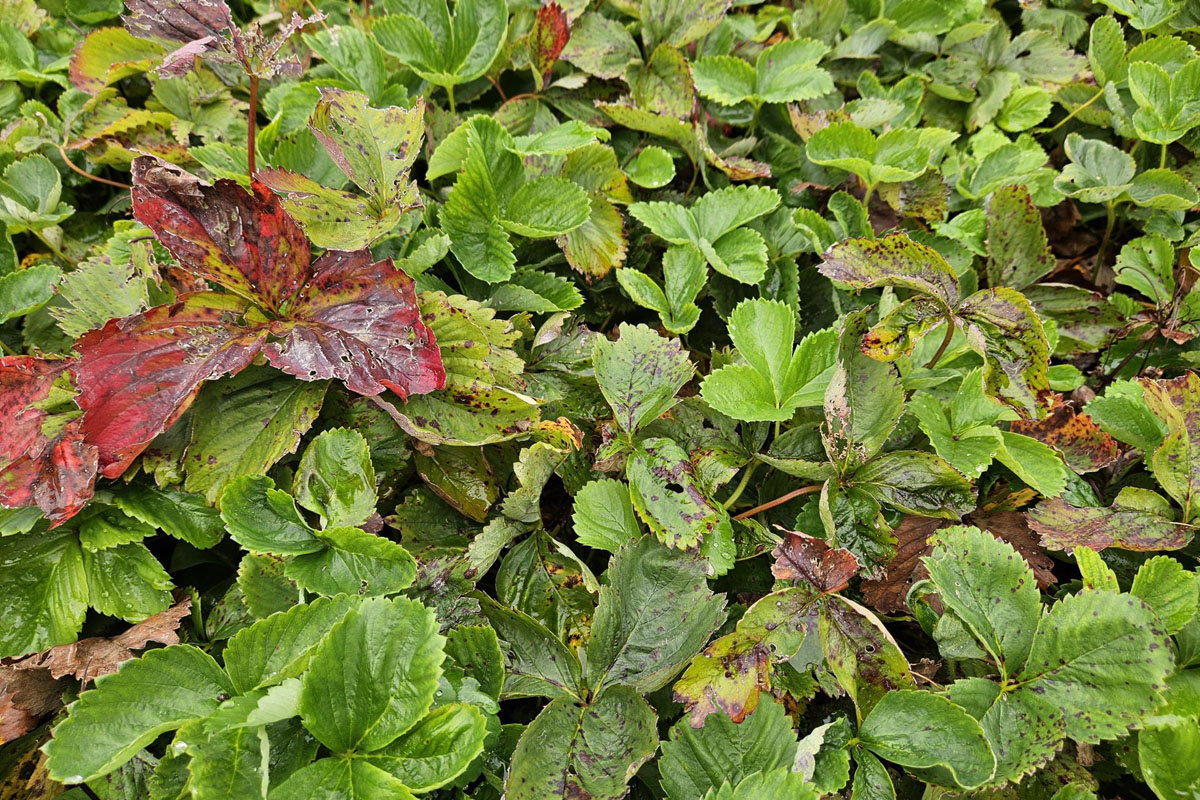
I have already lost most of my bean crop to rabbits or deer—not sure which—so I am paying the lazy price. Use repellents now by following the package directions. You will want to avoid windy or wet days. I sprayed beet greens, lettuce, cucumber, and strawberry foliage. Repellents will continue to work after a light rain if applied and allowed to dry on the foliage initially. Alternate spray formulations every few weeks, too. Deer and rabbits can get used to anything. Change up the brand to keep them guessing.
Continue to water shrubs like early-blooming viburnum and crops that form flower buds now (June-bearing strawberry, for example). Thin June-bearing strawberries to rows of 12 inches wide by selecting the younger “daughter” plants that formed at the end of runners. These younger clumps will bear fruit next June.
I spread some buckwheat seed in my raised vegetable bed where the beans were (post deer browse). This cover crop will sprout and grow before a frost kills it. After the frost, I will turn it into the bed as additional organic nutrients.
Similar to spreading the fast-germinating buckwheat seed, you can still sow seeds of spinach, lettuce, or radish in the vegetable garden. Don’t plant garlic yet.
Take some time now to sort out blemish-free garlic and shallot bulbs for planting in October. I choose the biggest garlic bulbs of the two different varieties I grow. One, German white, is larger and has large cloves with about five or six to a bulb. The other is Music, and it has smaller, more-intense-flavored cloves with about eight to a bulb. Each clove will form a new bulb.
As days get cooler, I start to worry about the annual bulbs, like dahlia, that I try to save each fall by digging up, storing away, and then forgetting to plant next spring. I didn’t really forget. I just put it off for so long that the bulbs will barely have a chance to bloom before frost comes!
Turns out that does not matter too much. Only tuberous begonias should be shielded from any frost. Bring those annual begonia bulbs indoors and allow the soil to dry out before storing in a cool, dark location like a box in the basement.
For Cannas, Caladiums, Dahlia, Gladiolus, and Acidanthera, wait until frost has killed the foliage—still a few weeks away. And this just in: Crocosmia can stay in the ground and should return next spring!
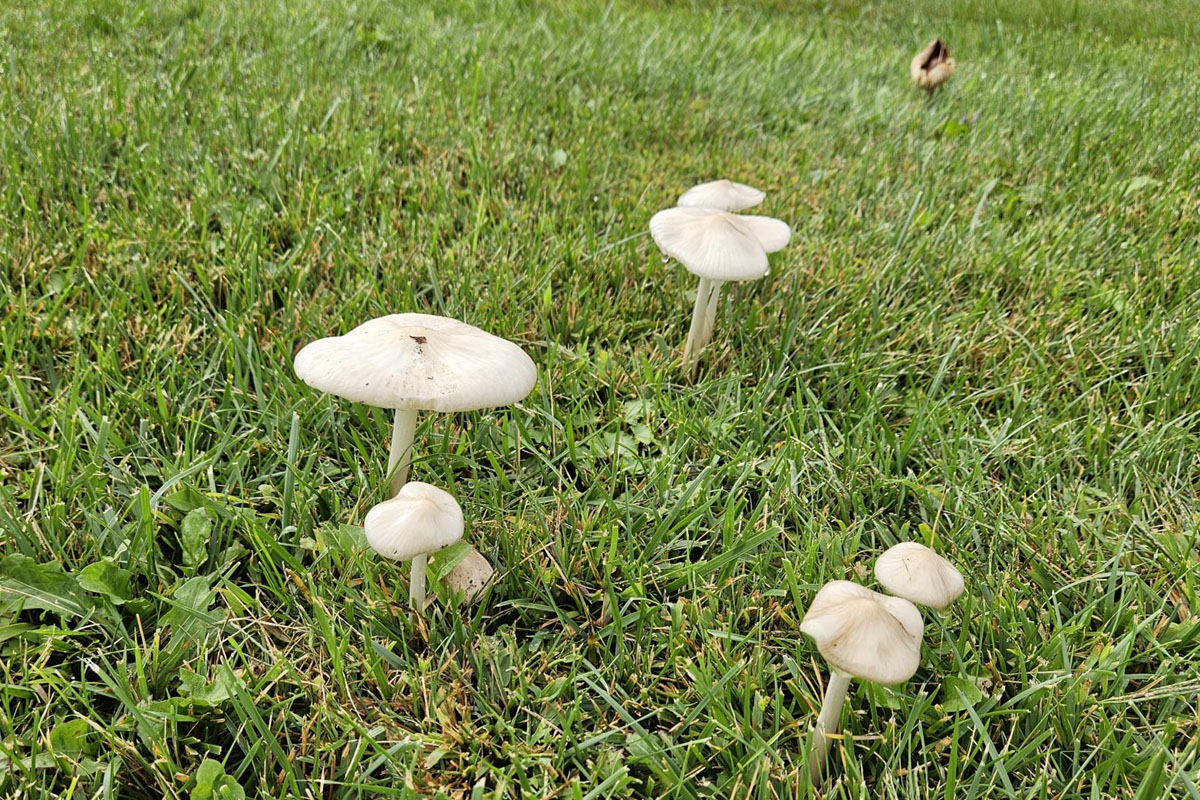
Keep your newly seeded lawn areas moist. Rake out or mow mushrooms that appear in the lawn. These mushrooms are soil-based fungi-fruiting bodies and will most likely appear now in cooler, damper weather. These are not usually edible.
Like tomatoes, ripe apples snap easily when gently lifted. We used to take our kids apple picking at area orchards every fall. We still go but fill a bag in half the time. Support your local apple orchard! Pick-your-own hours are posted on websites and dates typically continue into October.
Landscape trees and shrubs have been showing heat stress, but the daylight has decreased as well. Deciduous plants slow chlorophyll production now in preparation for winter dormancy. The change in leaf color does not indicate disease. Newly planted trees may also shed leaves early due to transplant stress. Keep them watered while they still have foliage.
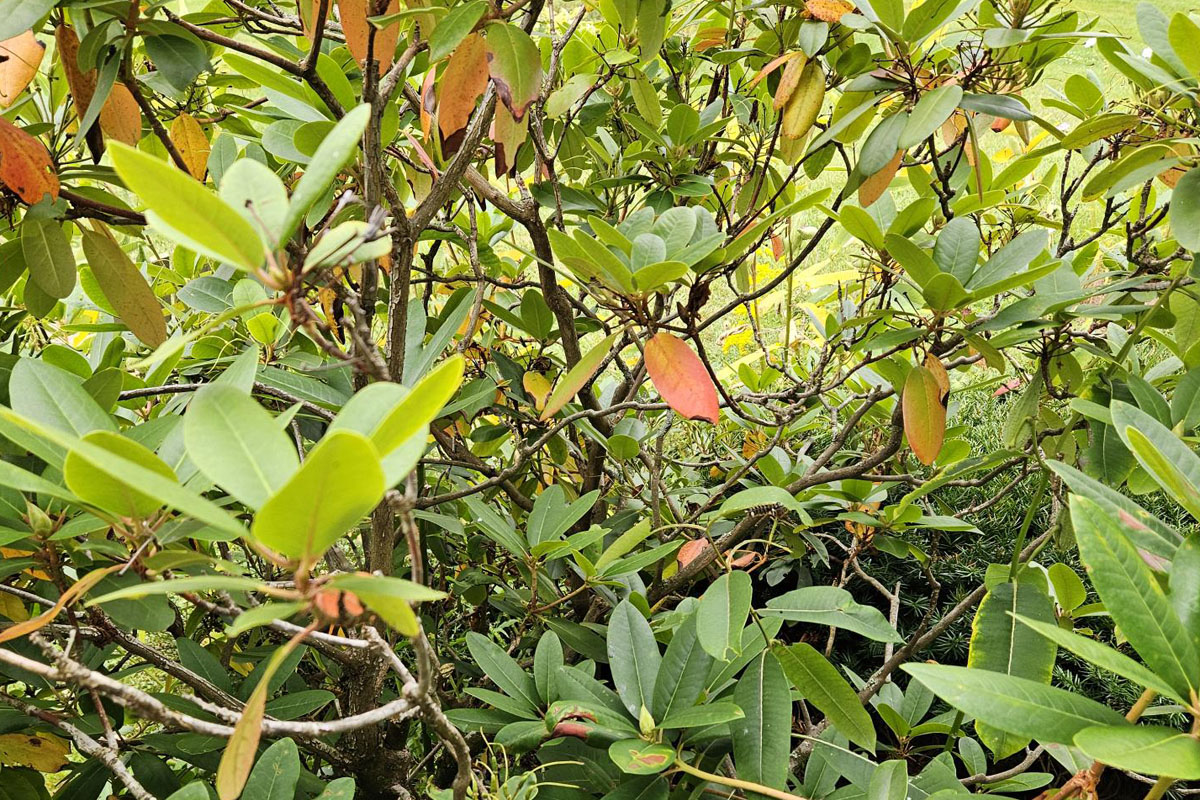
Perhaps it is surprising to realize, but evergreens do get fall color. The innermost (oldest) leaves will stop producing chlorophyll, change color, and drop like their deciduous brethren. They may appear evergreen, but that is just on the “outside.”
I have noticed that on clear fall or winter nights, I hear more road noise. I do not think traffic increases. I think the change comes in part from fewer (or no!) leaves on the trees. If your hearing gets surprisingly more acute in the winter, consider planting a mixed hedge of evergreen shrubs and trees as a sound buffer against the road noise. Even a low hedge will muffle the rumble of tires on the road.
Support your farmers’ market if your garden has been invaded by pests like mine has. It is harvest time!
And if you planted dahlia bulbs earlier than I did this spring, maybe you should compete in the dahlia festival at Dewey Hall in Sheffield on September 20. Or just plan to head over there to soak up the potential. Learn more here.
I call myself the Lazy Berkshire Gardener because I don’t want to work too hard in my gardens. I want to enjoy them. I find it easier to observe my landscape and let the compost happen, the water pool up, or daisies to self-sow. I look for ways to do the minimum task for the biggest impact. For example, mulching is better than spraying and much better than weeding all season. I look for beautiful, low-maintenance plants that thrive in or at least tolerate my garden conditions. Plus, I am willing to live with the consequences if I miss something.