This week’s column is somewhat abbreviated while the Lazy Berkshire Gardener is absent from her gardens.
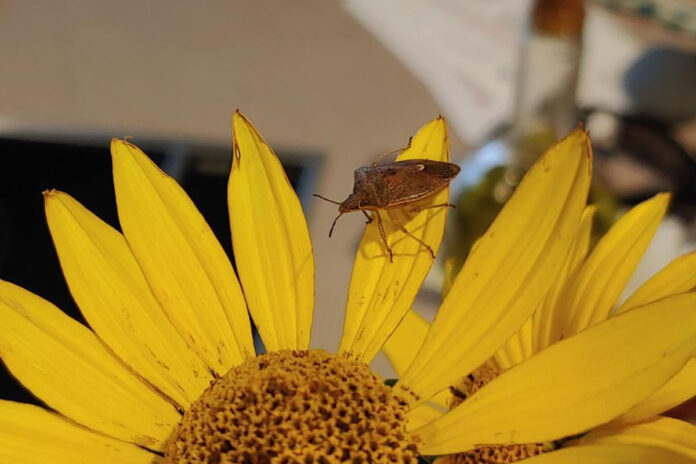
I have gathered some timely tips that I will definitely follow once I am back. In the world of insects and pests, you might be seeing the brown marmorated stink bug adults coming inside for shelter as days and nights get colder. These do not harm you, but they do smell if squished. Escort them back outside of your living space.
Adult deer ticks do not stay on deer. They also hitch a ride on field mice then drop into damp leaf piles seeking humidity. Stay protected while clearing leaves from lawns and out of flower borders. Spray clothing with DEET or permethrin and tuck pants into socks, shirts into pants, and sleeves into gloves. Check your clothing for hitchhikers regularly. You can also use reversed tape around your legs to trap them as they make their way up your body to find dark warm spots like the back of your neck. Yikes!
Speaking of protection, wear hearing protection when using leaf blowers and other power equipment. If, like me, you prefer to rake your leaves on beautiful fall days, take it slow and gather leaves into small piles. Next, sweep those piles onto slippery tarps to drag off and create a much larger out-of-the-way pile. Then you can recycle those fallen leaves by adding them to the compost pile gradually through the winter when you add vegetable scraps from the kitchen. You can also try chopping disease-free fallen leaves with a lawn mower to use as a garden mulch.
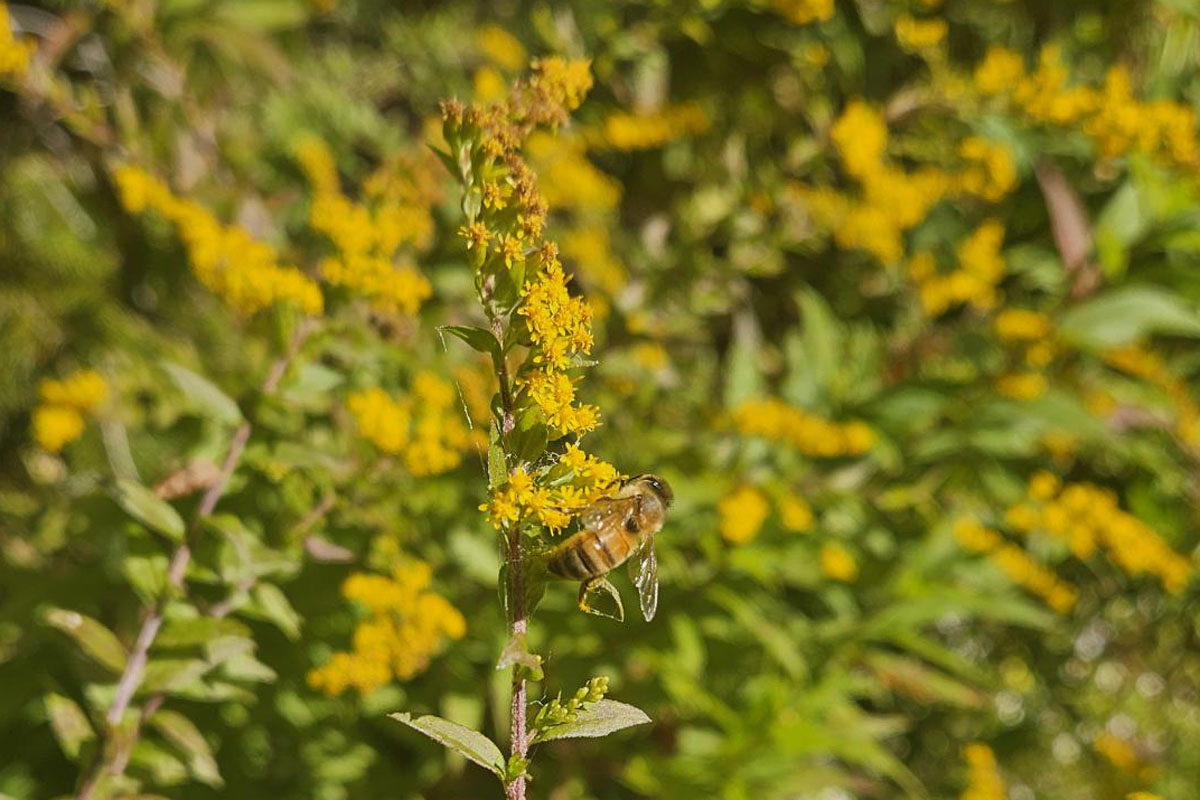
Deer, squirrels, bear, and skunks are especially active as days get colder and they bulk up in preparation for winter food shortages. Skunks may be digging up lawns looking for insects and grubs. The late-season perennials feed insects until they overwinter in dead plant tissue or under leaves.
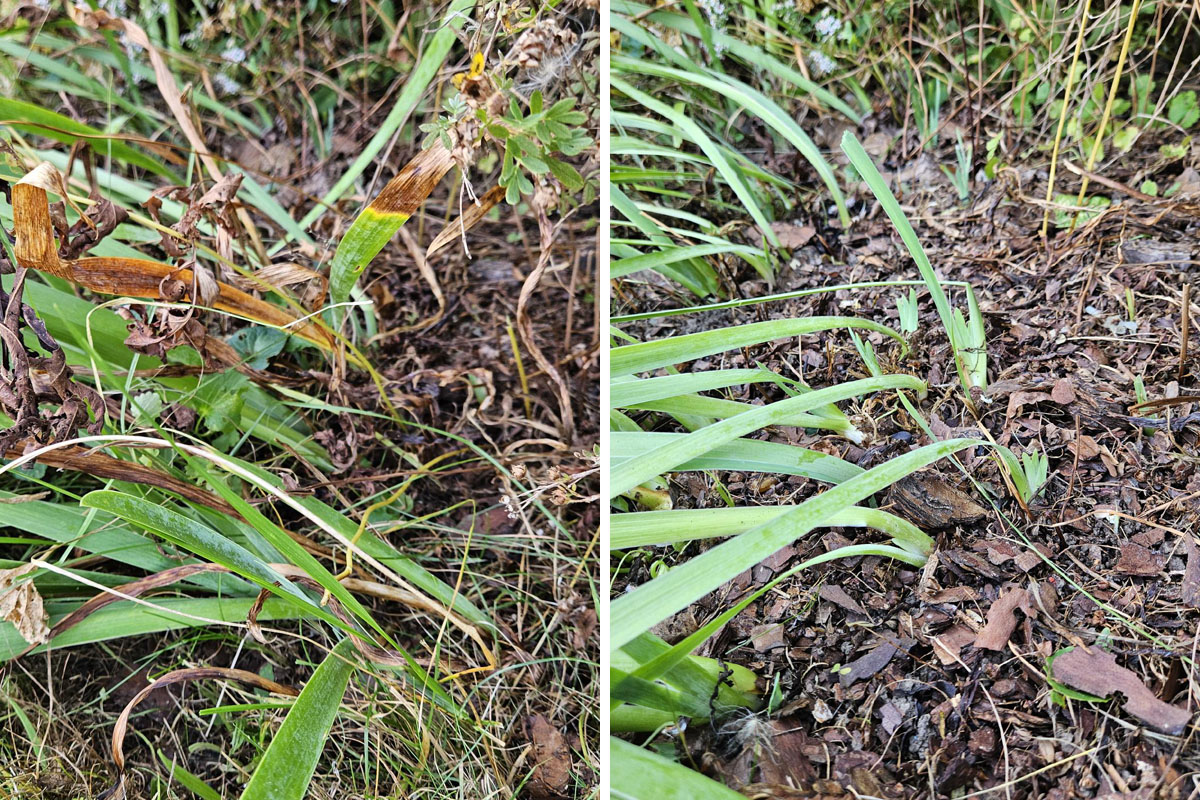
Keep cutting back the yellowed and dead leaves of perennials. Iris will have new leaves emerging from their rhizomes, and the older leaves will be turning brown. Remove the dead leaves as they yellow and turn brown. Then clear the area to prevent pest or fungal problems next year.
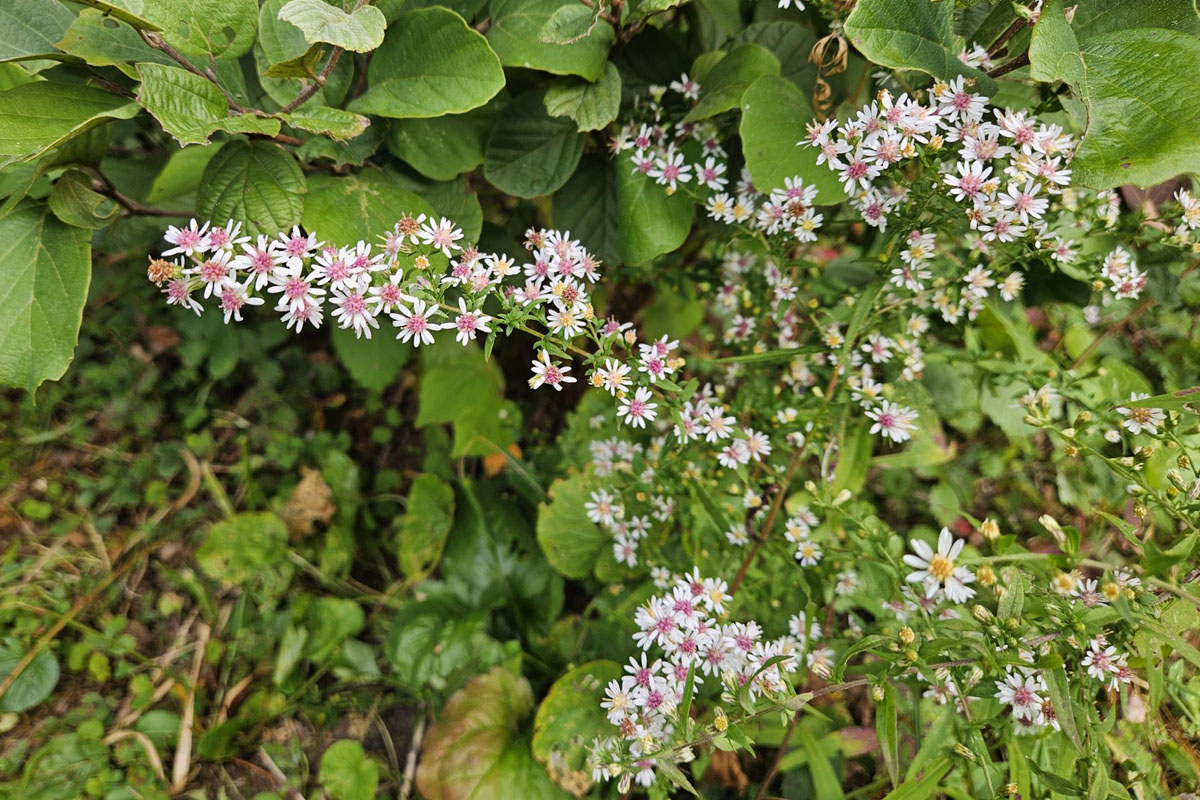
What’s showing fall color this week? I have multiple types of asters in my gardens. A favorite is the calico aster with flowers only a quarter to a half inch in diameter. The calico aster (Symphyotrichum lateriflorum) stays low and graces the edges of my shady borders.
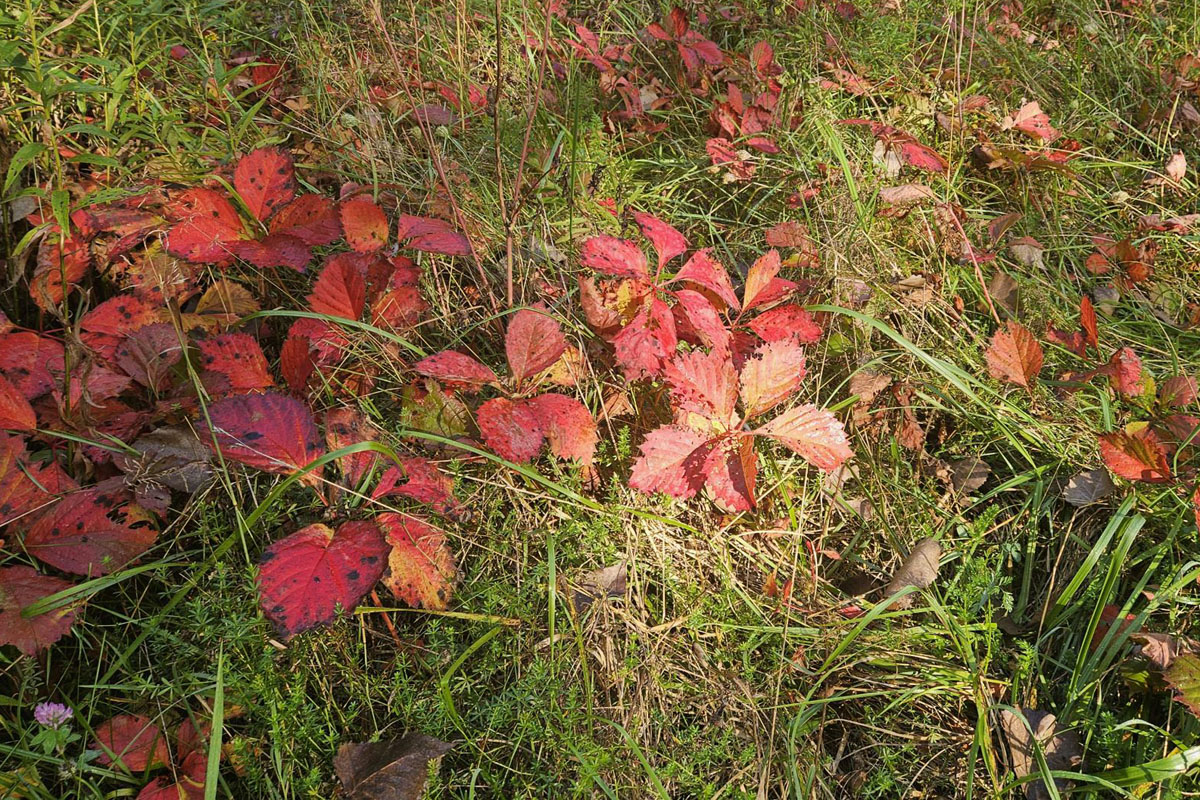
I hope you spotted this already or have some showing now near you. Vines of Virginia creeper (Parthenocissus quinquefolia) spread casually along shady flower beds but also climb available trees and trellises. This native has large compound leaves of five leaflets and, when treated to a summer of full sun, will turn a brilliant red in fall.
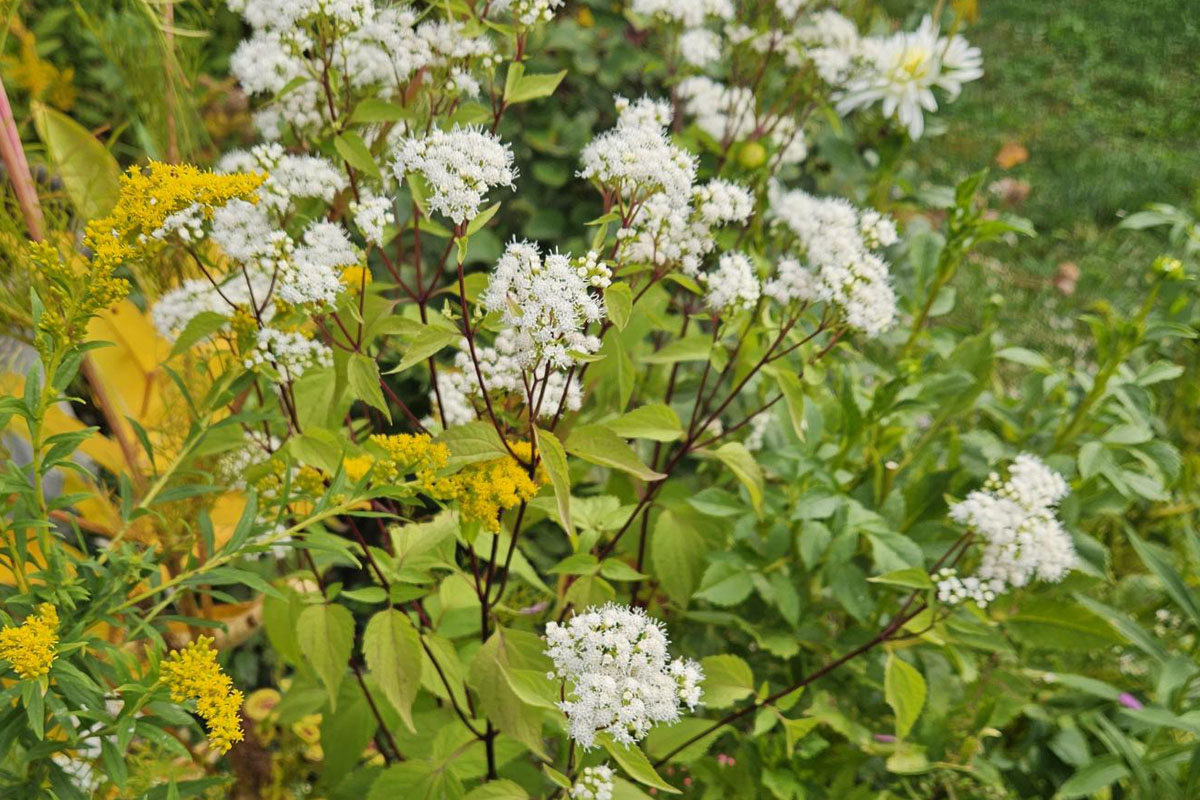
And then, I have a love-hate relationship with white snakeroot (Ageratina altissima). I bought this hybrid selection “Chocolate” for its red stems and purplish dark foliage. Sadly, the original died out, and now I have the non-true-from-seed descendants. It is poisonous to livestock. This will self-sow easily and should be cut back before it has a chance. However, the red stems and white flower heads are pretty in my October garden and show up nicely under a full harvest moon.
Tips for the vegetable gardeners:
Check the weather and be ready if overnight frost is forecast. You will want to harvest any remaining tender vegetables and herbs like zucchini, tomatoes, beans, and basil. Go ahead and grab all the green tomatoes you see. They will ripen in a brown paper bag in your kitchen over the next few weeks.
Cull bruised fruits and vegetables from your harvest to use first in recipes. They spoil quickly in storage. Preserve extra apples by drying slices or making and freezing applesauce. Squash and pumpkins will not keep much longer than three months in storage. Share what you cannot use with the local food pantries.
What’s up with the trees and shrubs?
Keep watering! Drought-stressed trees and shrubs are more susceptible to winter burn. You will not notice the damage until late spring.
Magnolia scale crawlers might be found on host plant branches at this time. Take note, and once all leaves drop, use horticultural oil spray on all the branches, twigs, and buds that have scale. Do this again in early spring to control overwintering stages of the pest.
And please prevent the introduction of invasive wood-boring insects. Purchase local firewood for your fireplace and wood stove.
I call myself the Lazy Berkshire Gardener because I don’t want to work too hard in my gardens. I want to enjoy them. I find it easier to observe my landscape and let the compost happen, the water pool up, or daisies to self-sow. I look for ways to do the minimum task for the biggest impact. For example, mulching is better than spraying and much better than weeding all season. I look for beautiful, low-maintenance plants that thrive in or at least tolerate my garden conditions. Plus, I am willing to live with the consequences if I miss something.