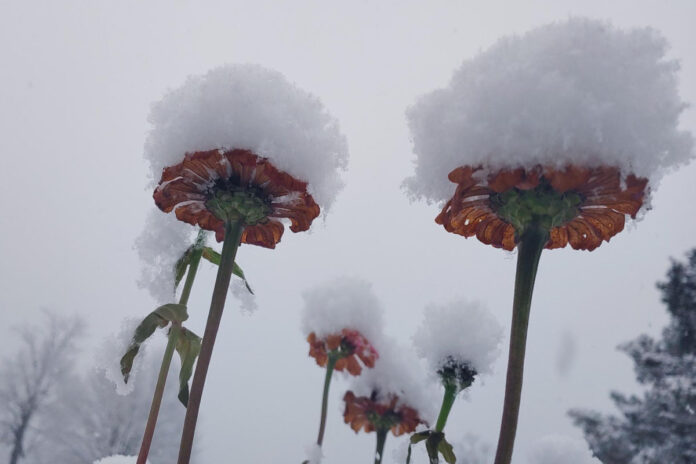
It finally happened! Snow and frost knocked out most of my annuals last week. Then, per usual, the following weekend was dry and relatively warm; so, I went to work cutting back the annuals to the ground. I followed the trend and latest wisdom (mostly) by leaving roots in the ground but cutting the stems back to the soil surface.
I say “mostly” because we have been trained “to clear” all dead plant material to prevent pests and fungus from reappearing the following season. This is still quite true and effective; however, I have plants that didn’t have fungus, that have harbored beneficial insects as well as a few pests, and will, if left in place, keep the soil loose and workable next spring.
As a result, I cut some zinnia plants to the ground, leaving roots in the flower beds but also pulling the whole dead plant out of the vegetable garden.
My flower beds don’t get as much attention as the vegetables; I am more of a “plant it and leave it” gardener when it comes to annuals and perennials. The vegetables have winter annual rye seed and a crop rotation schedule that means I work the soil more and will remove plant material, then add material, then compost, and then fertilizer. I make choices of which garden area is high maintenance and which is low maintenance based on my tolerance for failure. I want my vegetables to be robust, healthy, and successful because I eat them. The flowers can duke it out with the environmental hazards (although I am not talking about my personal battle against Japanese beetles).
I weeded the flower beds while I trimmed zinnias as preparation for mulch once the ground freezes hard—likely December. I just circled my property and made piles of frost-killed plants to be collected later in the day—this means less walking back and forth.
My hardest effort was the dreaded strawberry bed renovation. Sadly, the strawberry plants have grown prolifically this year. I am sad because I had so many plants and it feels wasteful! But strawberries need space to grow, and the prolific spread into every corner of my four-by-12-foot raised garden bed will only reduce yields next year. I dug out three strawberry plants for every one I saved. The plants grew well and grew strong in 2023. I have faith that the 25 percent I saved for berries next season will do well too.
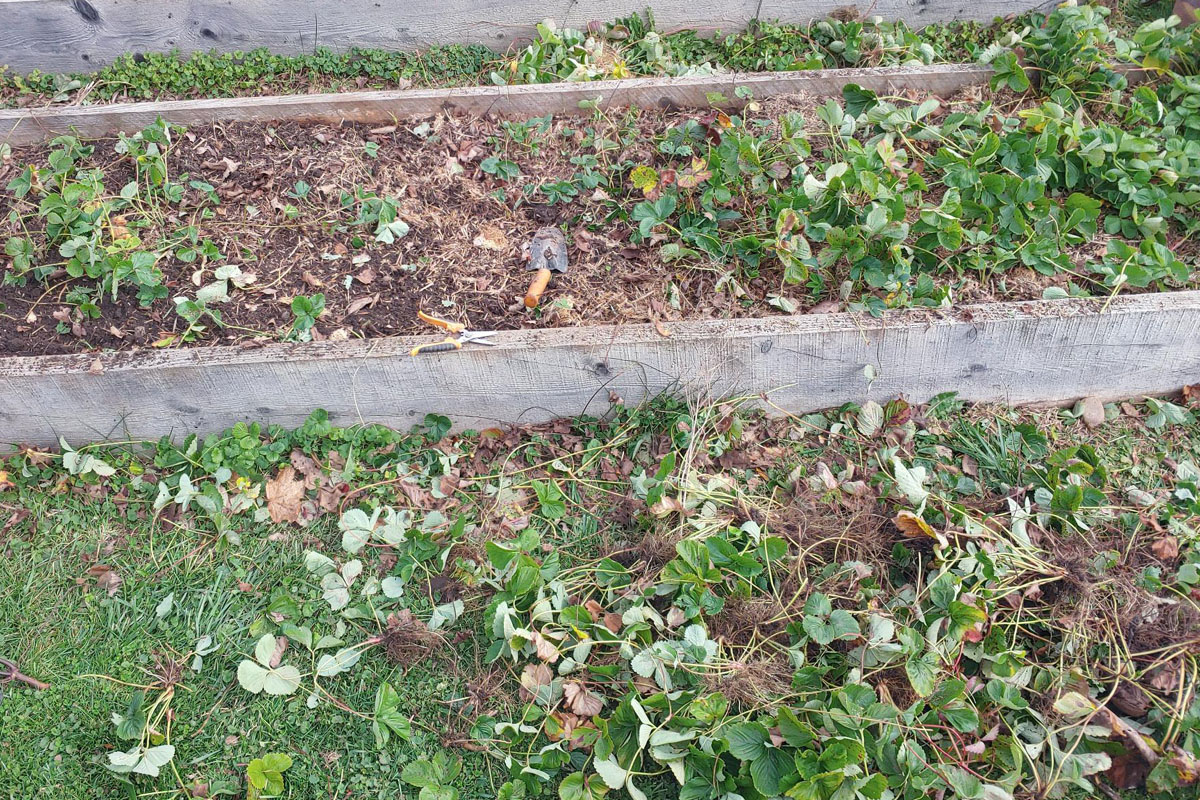
I selected strawberry plants whose leaves had fewer relative spots from fungus and still formed large root crowns. I have fungicides left over for next year (and some dormant applications over the winter), but, as mentioned earlier, removing diseased plant material limits disease next season. As it happens, the nice weather last weekend encouraged us to rearrange our garage storage. We moved fungicides and other liquid pest controls to the frost-free (but cool) basement and out of the garage, so they don’t freeze over the winter.
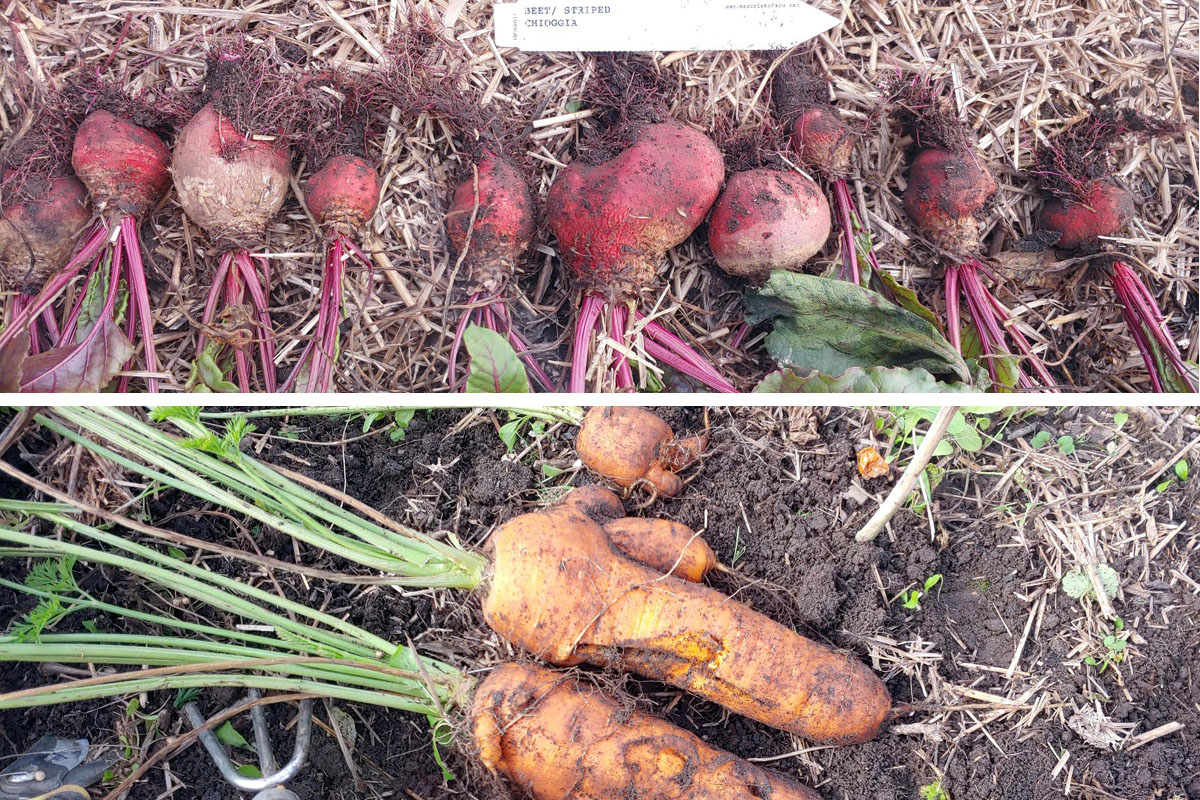
While the weather was fine, I went ahead and emptied the gardens of carrots and beets. I have kept the carrots in the ground perhaps for too long. They are enormous. However, I wanted to see what would happen. They are misshaped and fine examples of what it looks like when carrot seeds grow on with too little spacing. But I cut them into tasty three-inch logs of fabulously sweet fresh carrots this week, and I don’t regret the abundance. For the beets, the ones I didn’t pick until recently were planted too high so that the tops developed a tough skin. No matter. I will peel these before blanching or roasting, and they will be delicious. You could keep beets in the garden even longer by layering more straw mulch over the top and protecting them from freezing.
I also cut back the stems of the Brussels sprouts. The snow added a touch of tender sweetness to the sprouts that can’t be beaten.
All my vegetable garden reaping has opened the raised beds, making it easier for me to spread more winter rye seed. I could have cut plants at soil level and left the roots in place, but I opted for the green manure route. The seed will germinate, keeping the soil in place, while also preventing compaction, and the leaves will add nitrogen to the soil right before planting next spring.
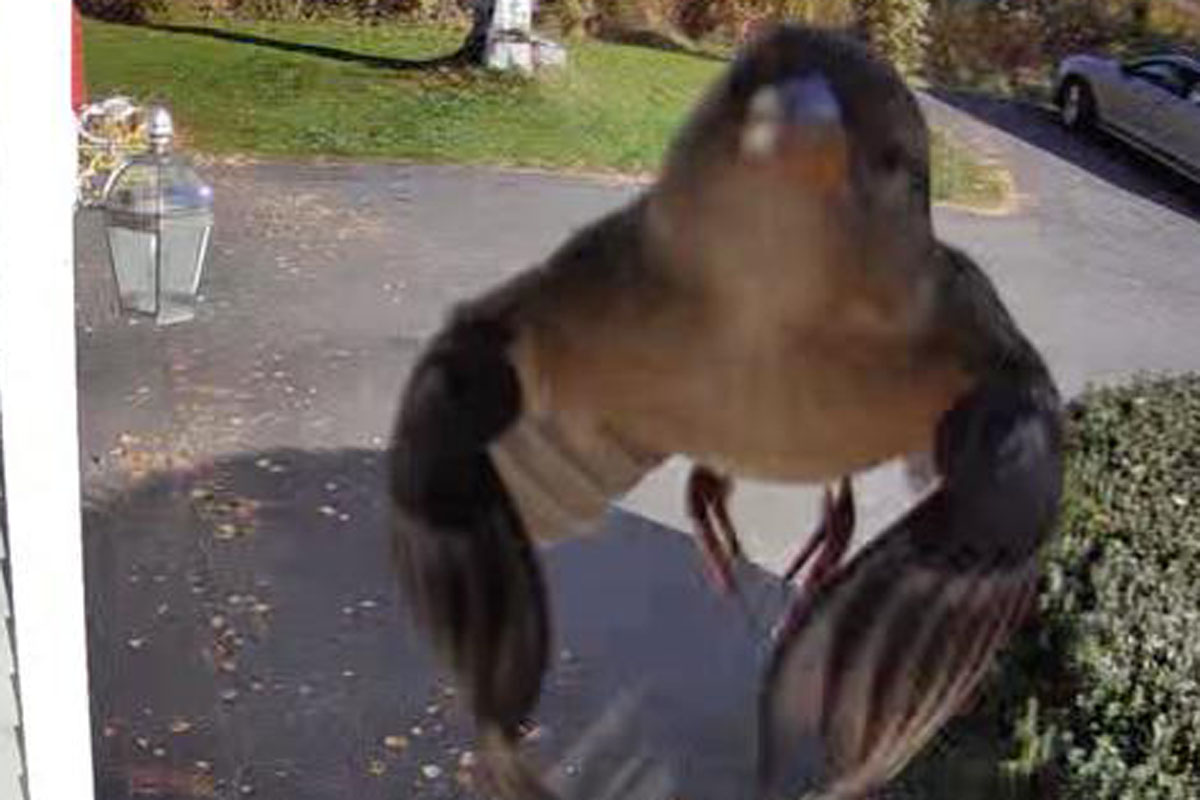
A quick aside on our late frost: The late blooms and warm weather kept insects buzzing about my gardens, which also kept migrating bluebirds fed. Our home security “Ring” camera has confirmed that bluebirds frequent the property more than any other creature. They reminded me: While soils stay workable, pound in stakes for protective fencing or poles for bird feeders. You can hang or attach the feeders later in December or January and do so more quickly because the poles will be in place.
The definitive freeze last week killed the dahlia foliage. I visited my three large pots of dahlia and easily pulled the inner pot of tubers out of the larger decorative container. I left the tuber clumps together as best as I could to dry in a protected area of my deck (airy but shady). After a few hours, I brought the clumps to my basement, where they continue to dry. Rain was forecast, and I didn’t want them to get wet and freeze. In a week or so, I will brush off the dry soil and store the whole clumps in torn strips of newspaper, ready to divide next May.
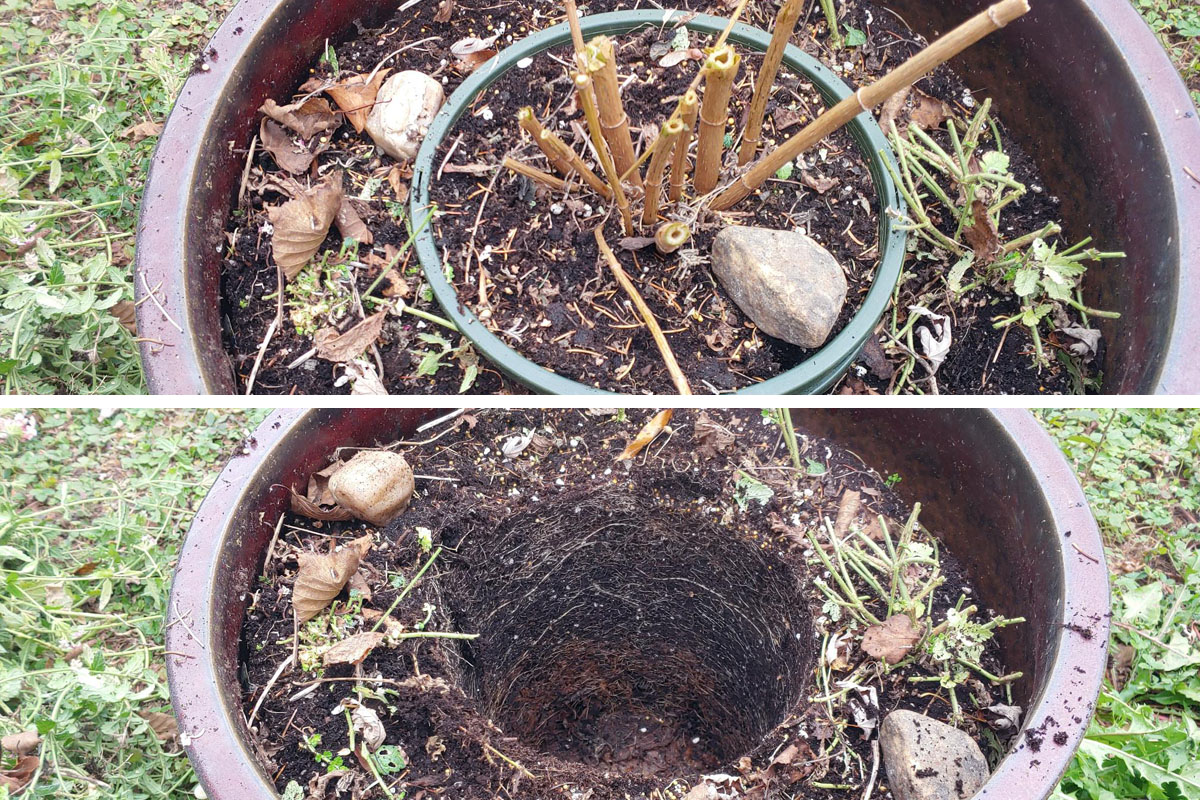
The large, glazed pottery pots that held the dahlia and annuals are too heavy for this lazy gardener to transport inside. I shoveled the soil out of the pots to store in weather-proof containers out of the way. I then tipped the empty pots upside down exactly in their usual location. In this position, they won’t collect water and crack from the freeze and thaw of moisture through the winter. I will augment the old topsoil with fresh compost and use it next year.
Have you planted spring-flowering bulbs yet? Now is a great time. For earlier blooms, try amaryllis or paperwhite bulbs. More on these next week.
And for gardeners who want to know more about our natural environment: Check out “Rooted in Place,” a day-long symposium on land stewardship and design through the Berkshire Botanical Garden, on November 12, 2023, or the Berkshire Natural History Conference, a conference of naturalists, regional authors, and pertinent exhibits focused on the condition of our local natural surroundings, hosted by Berkshire Community College (and others) at the Berkshire School on November 18, 2023.
I call myself the Lazy Berkshire Gardener because I don’t want to work too hard in my gardens. I want to enjoy them. I find it easier to observe my landscape and let the compost happen, the water pool up, or daisies to self-sow. I look for ways to do the minimum task for the biggest impact. For example, mulching is better than spraying and much better than weeding all season. I look for beautiful, low-maintenance plants that thrive in or at least tolerate my garden conditions. Plus, I’m willing to live with the consequences if I miss something.