Hello March!
Now where did I put those spring bulbs? Did I plant them? Did I pot them up and store them in a cool spot? Do I only have dahlia and gladiolus bulbs for planting later? Wow! What the cold winter days have done to my gardening brain…!
It is time to once again check your spring-flowering bulbs. If you forgot to plant them in the fall, put them in a pot of soil now and set them outside. They may still sprout for you! But don’t look for them too soon. Spring-flowering bulbs need a 10- to 12-week cold period.
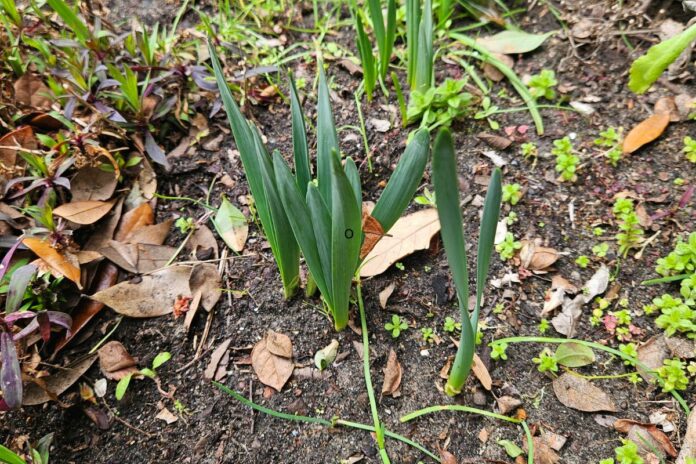
Hopefully, you remember where you planted your tulips, crocus, daffodils and the like in the gardens last fall. When some of the snow has thawed, swing by those spots and look for the green shoots. That should fire up the frozen winter gardening brain.
However, your summer-blooming dahlia and gladiolus bulbs should still be stored in a cool, dark spot for the next eight weeks. Check them now for soft spots, mold, or desiccation. They should still be firm. If too dry, mist them somewhat to introduce more moisture. Cull any that show signs of mold so they do not infect other bulbs.
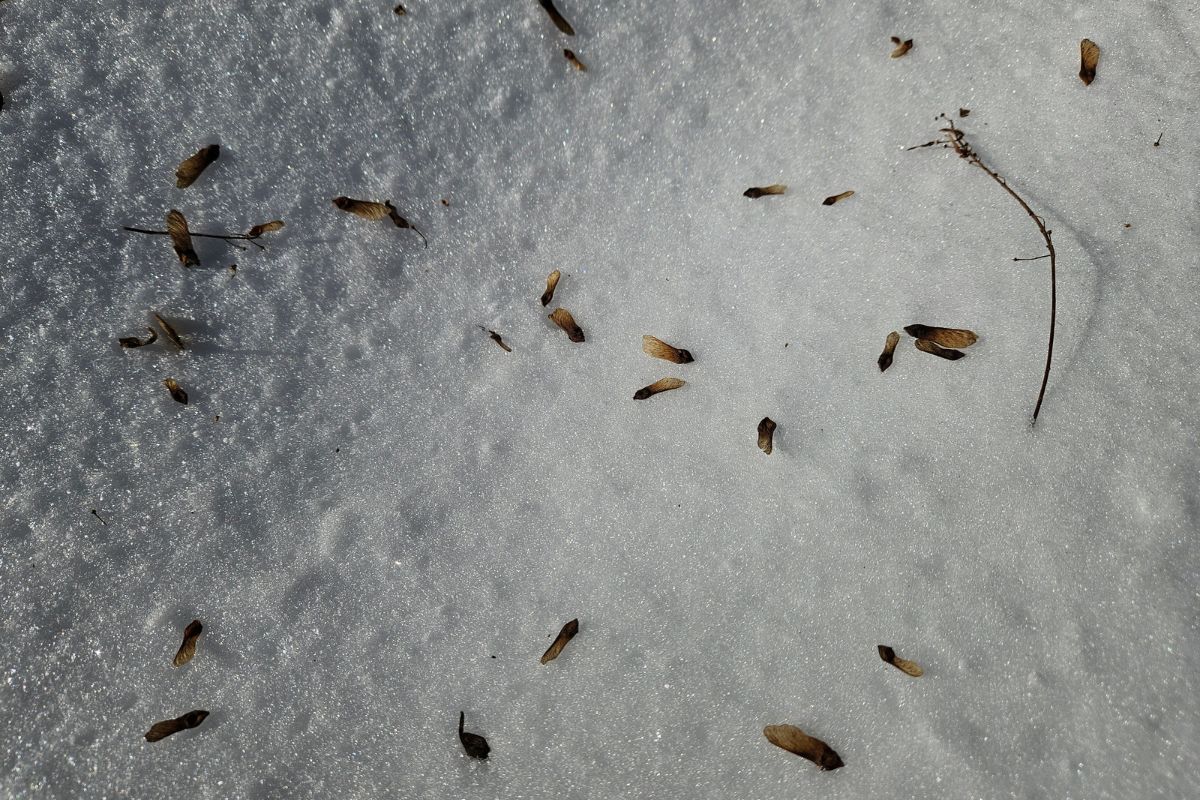
I suppose that most of us will still have a foot or more of snow on the ground this weekend. Are you eager to sow some seeds? There is a strategy called “winter sowing” used for native trees, shrubs, and perennials. If you think about it, many of our native plants propagate just fine without human intervention and often by depositing seeds in the fall or over the winter. These plants rely on their environment—to which they have adapted—to cooperate in the seed germination process.
Seeds blow around in the fall or drop near the parent plant. They sit in the cold and under a snowy blanket until spring thaw. The seeds settle with the snowmelt down to the soil surface or just below until the soil reaches an ideal temperature and the seeds germinate.
What kind of gardener are you? Are you patient enough to wait for these winter sowed seeds? I don’t think I am. I start to get anxious and want to fix the conditions so that the plants grow sooner. Or I completely forget about them and pull them out suspecting they have invasive, weedy designs on my gardens. What? I planted that?
But if you have a cleared area of garden where you refuse to do any weeding until at least July, spread some perennial seed directly on top of the snow. This works for poppy seeds, sweet william, beebalm, asters, and others. You won’t have full blooming plants this year, but in another two years you will. Nothing harder than patience unless you are lazy like me. Maybe lack of patience explains why people spend money on well-rooted perennials.
If you need to see some green growth ASAP, invest in a fresh houseplant or take cuttings from the growing tips of some you own. My schefflera plant has been a great source of new plants. Just trim a few inches of stem down from new growth on a branch. Dip the cut end into rooting hormone and slip into a potted, damp, soil-less mix. The spring light spurs hormone growth and roots form quickly.
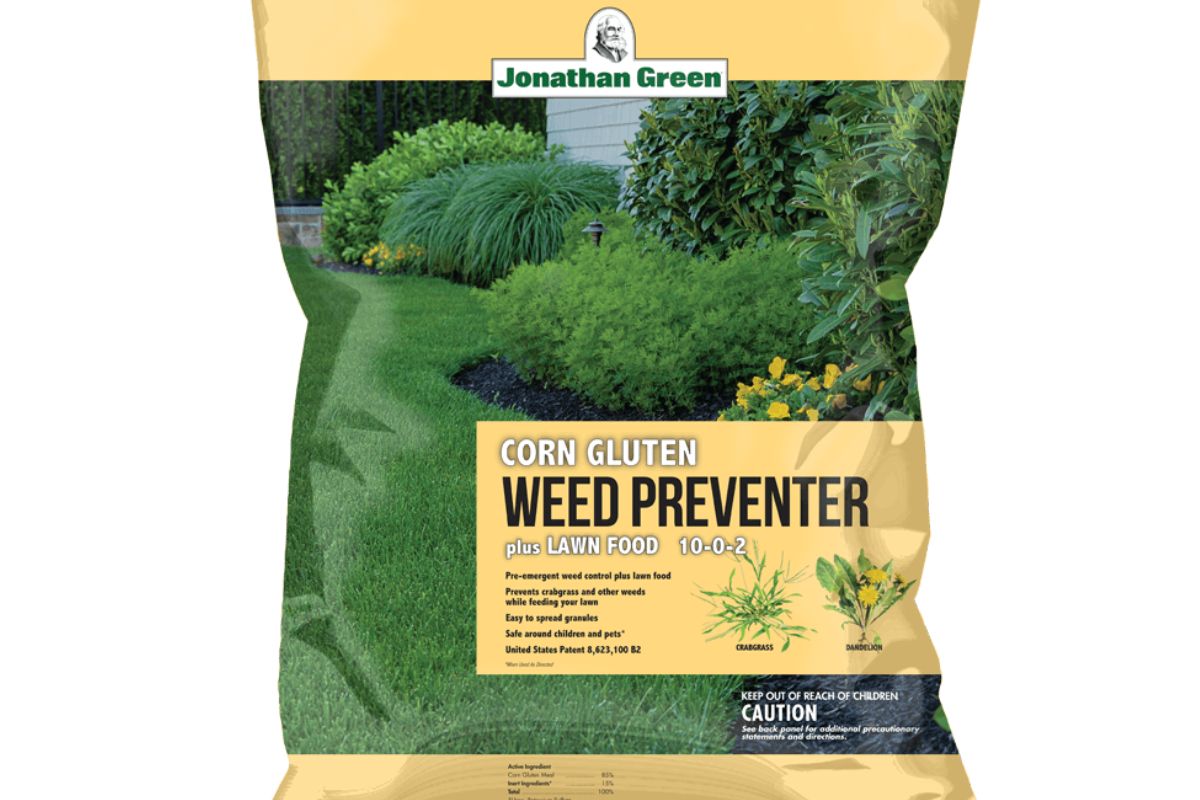
Now, besides over-enthusiastic weeding, don’t start using corn gluten or other seed inhibitors where you have diligently spread seed for winter sowing!
Corn gluten meal will prevent weed seed (and any seed) from germination but will not kill established perennial weeds like crabgrass. Use corn gluten around established perennial plants in a perennial border or over lawn sections plagued by annual weeds. Use the corn gluten meal as an inhibitor as soon as you can see the soil surface. Avoid overseeding any area that has corn gluten applications for at least six weeks.
In recent past winters with no snow, I would encourage weeding now. Hard to do with a foot of snow on the ground, but keep your eyes peeled when your sun-filled flower beds lack snow. The high soil moisture makes weeding a breeze, especially when you are going after seedlings of garlic mustard and invasive bittersweet.
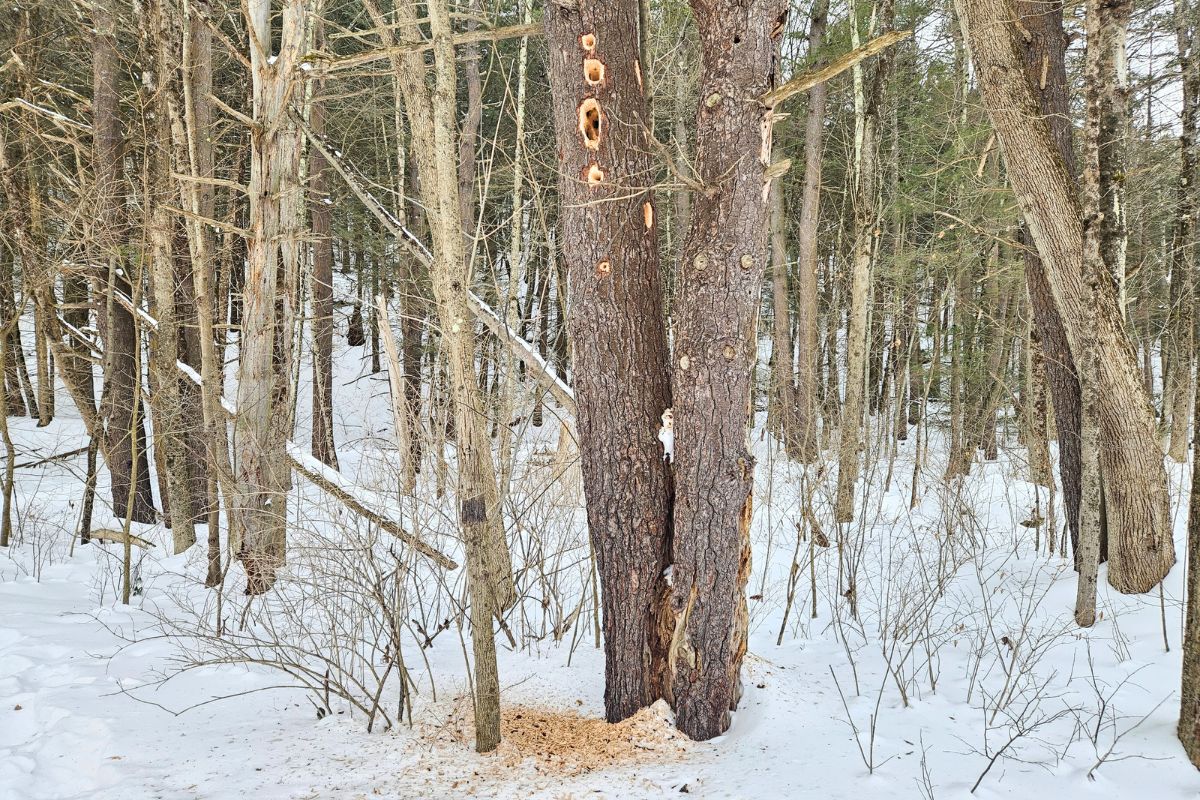
As the sun heats our trees, insect pests also wake up. Pine weevil will awaken soon. Look for signs of woodpeckers on older trees. Tree death cannot be blamed on the woodpeckers. They attack trees weakened by insect pests or disease. Where you see woodpecker damage indicates the trees are in decline.
Still can’t find your bulbs under a foot of snow? Get your fix at a “Bulb Show” near you: Berkshire Botanical Garden Bulb Show continues through March 20, 2026.
If you find yourself east in the Connecticut River Valley, The Botanic Garden of Smith College Bulb Show begins March 7 and continues through March 22, 2026.
I call myself the Lazy Berkshire Gardener because I don’t want to work too hard in my gardens. I want to enjoy them. I find it easier to observe my landscape and let the compost happen, the water pool up, or daisies to self-sow. I look for ways to do the minimum task for the biggest impact. For example, mulching is better than spraying and much better than weeding all season. I look for beautiful, low-maintenance plants that thrive in or at least tolerate my garden conditions. Plus, I am willing to live with the consequences if I miss something.