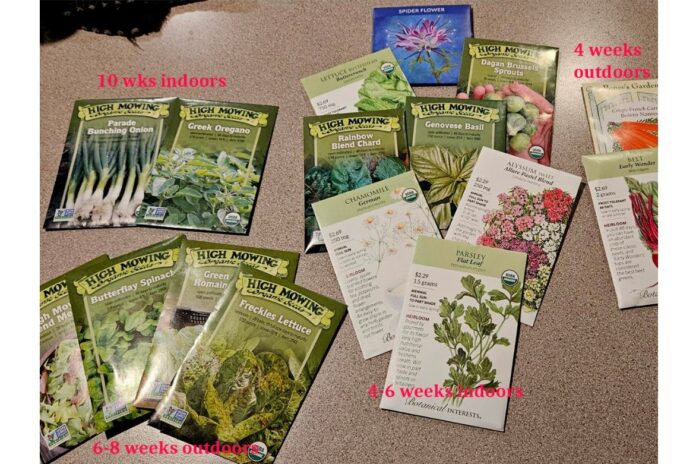
I encouraged planting pansies last week. It may have been a weak moment pining for spring. It is still a bit early to start most seeds, but not too early to prepare. Take inventory of your seeds and group by start date. You can clip them together or “file” them, but it helps to have the seeds together in one place ready to pull and sow in your trays at the same time. Also, plan how many plants you will actually want and how many seed cells you will need.
Get seeds of popular or unusual plants that you know you want to grow as soon as possible from your garden center, online, or catalogs. Popular seeds sell out! Seed packs encourage you to plant multiple seeds per cell and snip back the weakest seedlings later, but you will probably have more seed than you can use in one season. Plan your seed-starting with friends. If you have not started a farmstand, you may only want six tomato plants but also six different varieties. Share the seed packets! Plus, friends may have a better seed-starting location than you do! Lazy gardeners collaborate.
Look through trays, humidity domes, and cell packs from previous years. Discard cracked or broken domes, trays, and packs. Cracked cellpacks will cause uneven soil moisture. Wash and sterilize reusable trays and cells in hot soapy water.
To reduce waste at my home, I use leftover boxes from salad greens as a tray and dome in one. These make it easier to germinate a smaller number of seeds and control light and soil moisture. Two six-cell packs will fit in a larger box. The boxes work fine to conduct heat from a heat mat. Read the seed packet, but most seeds that you need to start indoors will germinate best in temperatures of 65 to 70 degrees. In the past, I would put a tray on top of a refrigerator or table by a southern window, but neither of those spots are available to me now.
Instead, I created a growing area in my basement. I set up a utility shelf unit and suspended inexpensive shop lights over the shelves. The lights hang on chains that I can raise as the plants get taller.
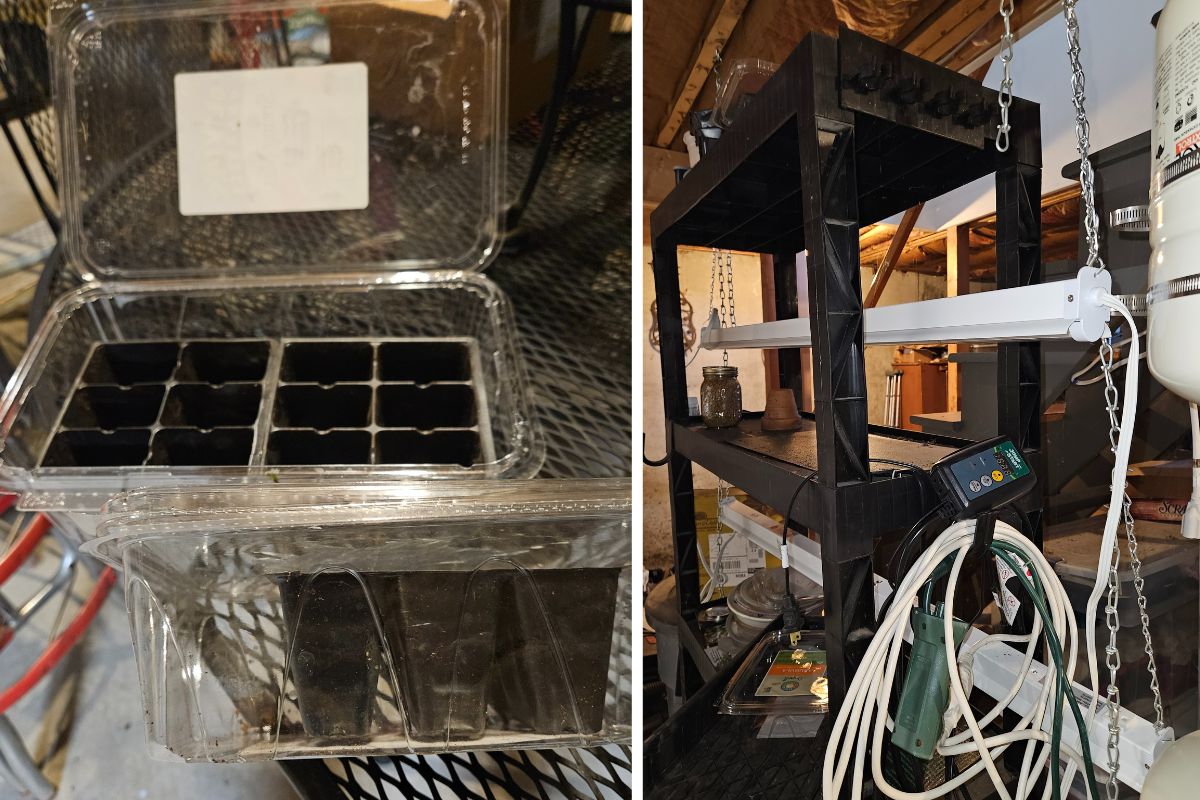
To start, the fluorescent lights will be right above the cell packs. Once the seeds sprout, I open the box or remove the dome and keep the light to within one inch of the soil surface. As the plants grow, I will raise the lights to four to six inches away at most. Seed heating mats line both shelves and stay on continuously in my chilly basement. The lights are on a timer to stay on for 18 hours a day.
Again, I am not starting most of my seeds yet. It is just time to plan while the gardens stay tucked in under a foot of snow. If you are really itching to start seeds now, scatter a few seeds over potting soil surface for indoor herbs. Good herbs to start are cilantro, dill, and oregano.
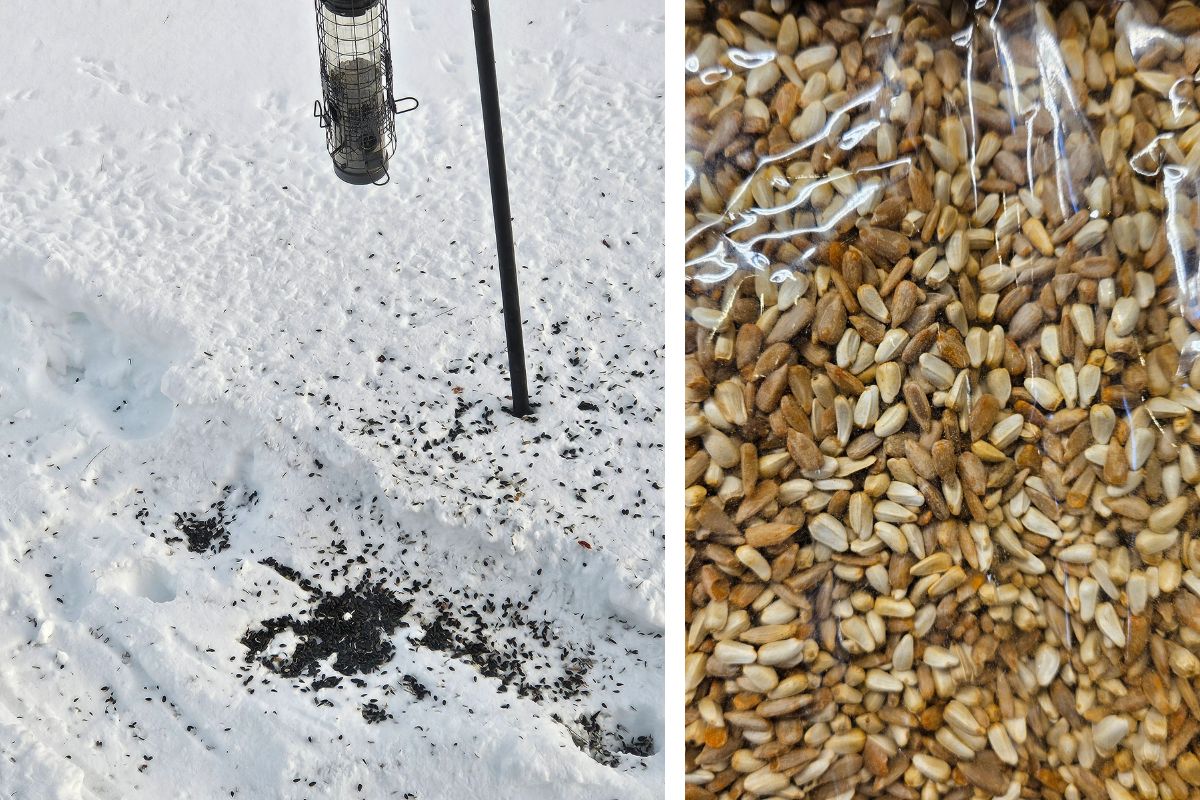
I was enjoying the bird feeders until now, when I have been staring out at the snow for a week. Underneath each feeder is a pile of sunflower seed shells. This mess will still be there when the snow melts. If you have feeders on a deck, you can shovel or sweep the shells away. The shells on lawn areas create a messy, impermeable mulch. I typically rake the pile out into the lawn to break down into the soil. If that mess seems too much, you can purchase sunflower seed kernels! Very convenient.
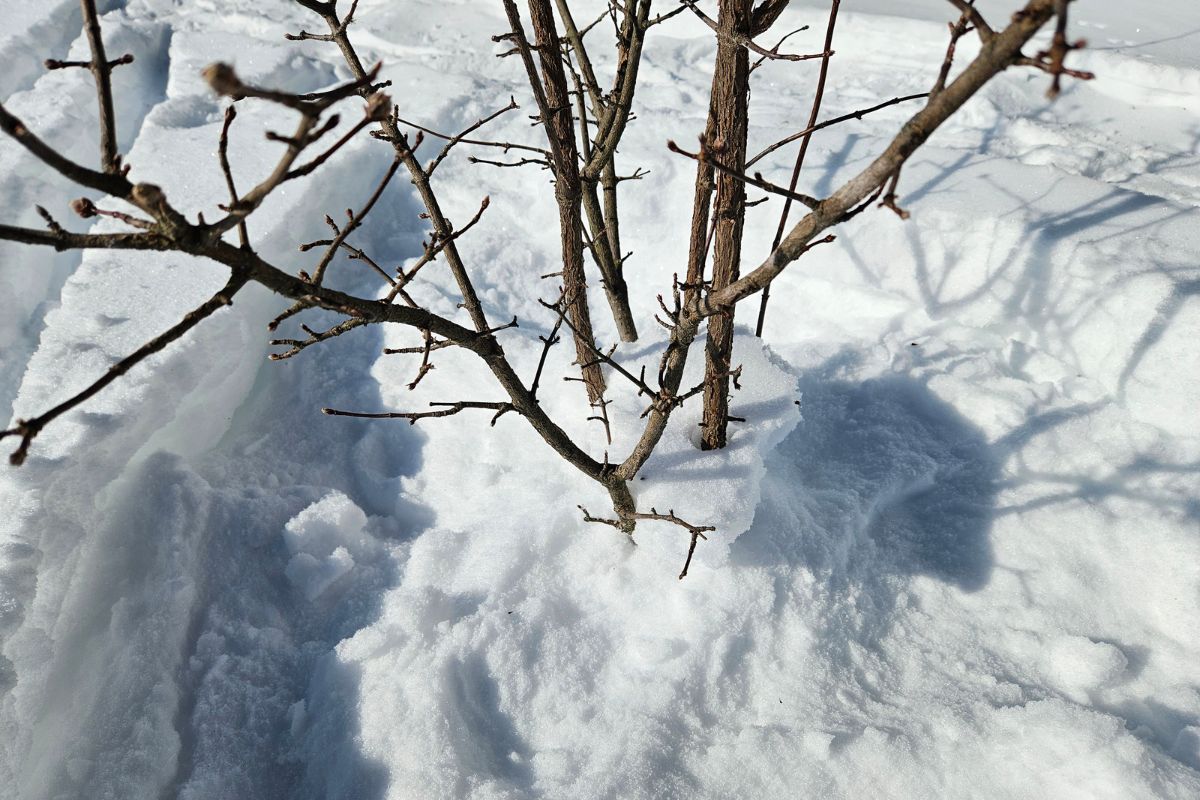
Next time you get outside, pat down snow around young trees or shrubs to expose voles to predators like hawks and fox. Deep snow hides these critters, and they are hungry. Young stems of shrubs have tender bark easily gnawed by rodents. If you have not caged or wrapped the shrubs, they will be susceptible. By compacting their snowy cover, you discourage the rodents who will avoid open spaces.
Check plants along deer tracks that you find in the deep snow. You are looking for signs of deer browsing—shredded or pinched twig ends. Rabbits bite through branches cleanly and deer mash them. Use repellents and reapply when temps are above 32 degrees.
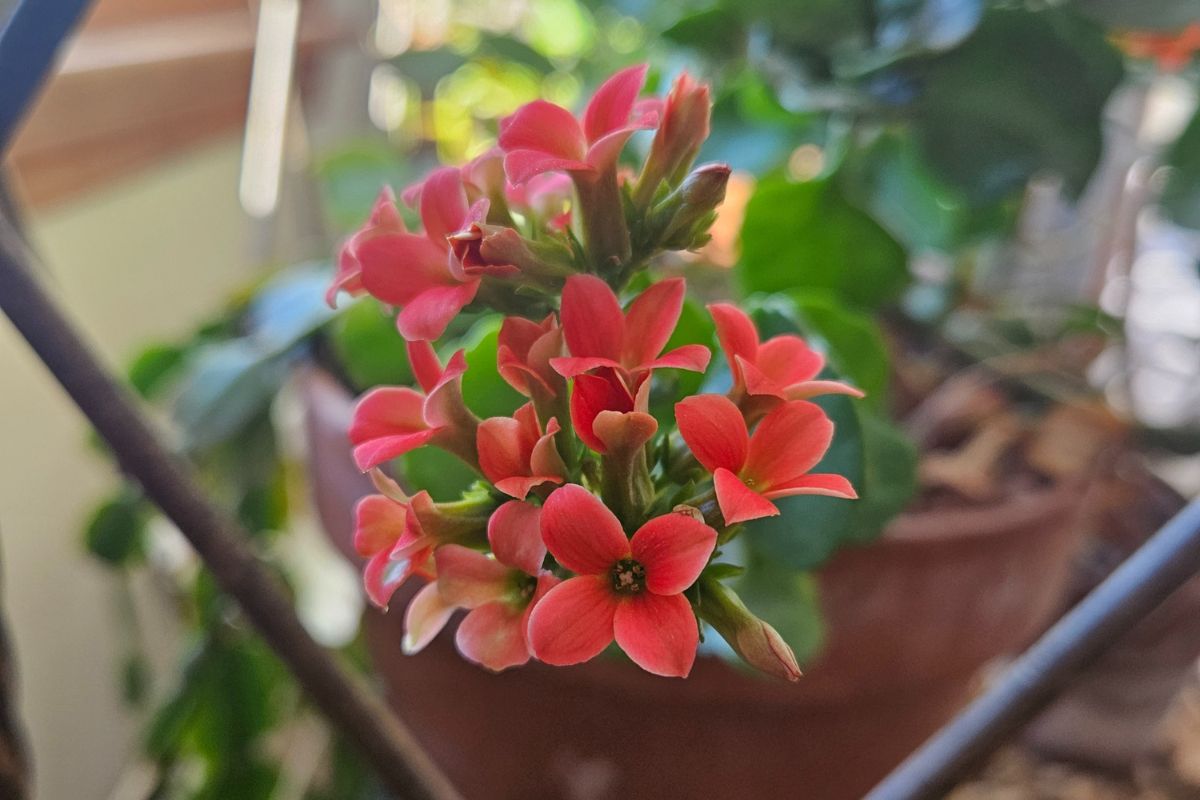
My amaryllis bulbs have bloomed with another stem on the way. I also have a kalanchoe plant that finds the sun and blooms every February. The kalanchoe shares a terra cotta pot with a Christmas cactus, but they do not bloom at the same time. I love these plants that thrive on my benign neglect.
Cut forsythia or pussywillow stems can be a quick, last-minute way to enjoy more flowers indoors. Other good choices would be quince, apple, or cherry branches. Cut stems from mature multi-stem shrubs from the very base. You will never notice the missing branches later. Bring them indoors, and to hasten bloom, soak them in the tub overnight. Next, arrange in a simple vase. The blooms were set on the stems last fall and only need some heat to pop open. By placing your vase on the dining table, you will have a close-up, slow-motion view of spring emerging!
With nothing pressing outdoors, I am scouting for spring gardening classes and lectures. Look into the Winter Lecture at Berkshire Botanical Garden, scheduled for Saturday, February 21.
Are you fascinated by orchids? Check out this Orchid Show & Sale taking place February 21 and 22.
I call myself the Lazy Berkshire Gardener because I don’t want to work too hard in my gardens. I want to enjoy them. I find it easier to observe my landscape and let the compost happen, the water pool up, or daisies to self-sow. I look for ways to do the minimum task for the biggest impact. For example, mulching is better than spraying and much better than weeding all season. I look for beautiful, low-maintenance plants that thrive in or at least tolerate my garden conditions. Plus, I am willing to live with the consequences if I miss something.