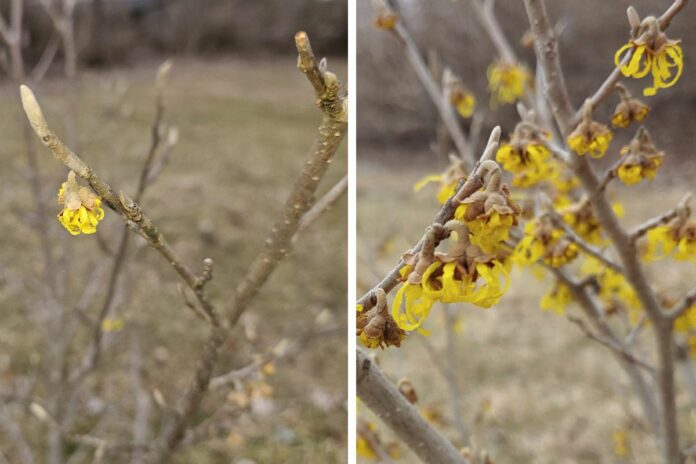
Even with all the snow still on the ground, witch hazel (hamamelis vernalis spp and cultivars) will start to bloom! Take a walk and look closely for these unusual ribbon-like blooms. The fall-blooming hamamelis virginiana has fragrant blossoms that bloom into late October. H. vernalis and cultivars may not be as fragrant but hint at spring with their late-winter flowers. Incorporate these into your landscape to provide pollen and nectar for insects on a warm winter day.
Protected perennial gardens might be void of snow. Check these for perennials heaved out of the ground. Gently push them back down, then cover with pine boughs or straw.
I hope your snow is melting and you can anticipate spring. Today’s seed-shopping tip:
Select bush beans for early harvest and pole beans for later harvest. Bush beans need 12 inches between plants and rows, but they will bloom and fruit in containers too. Pole beans will climb up cornstalks, a fence, or poles arranged into teepees. Pole beans can also provide shade for summer plantings of lettuce. If you want to garden in containers, review vegetable garden seed choices and research if the plants will grow in small spaces or among other plants.
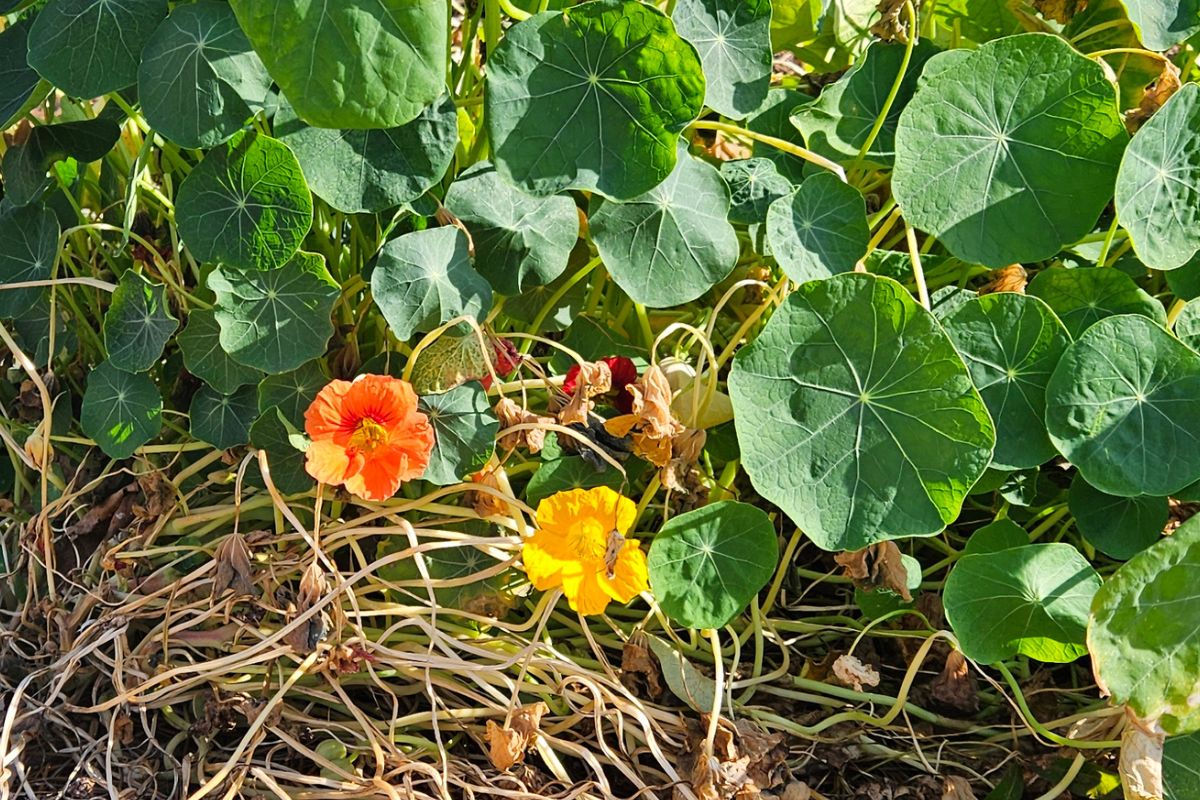
Add edible flowers to your seed-starting list, and plan to plant bramble canes, too. Nasturtium will germinate quickly once directly planted in late May. The pretty flowers have a peppery flavor, as do the leaves. Fruit from home-grown brambles—raspberry, blackberry, or black raspberry stems—cannot be matched by store-bought fruit; plus brambles come back every year!
While it is still winter, schedule a lawn mower tuneup with your local small-motor vendor. Sharpen the blades, tighten bolts, and add fresh oil. Check springs and gear connections. Doing it now will ensure you are ready when summer arrives, and it will arrive!!
Another idea for these non-gardening days: Plan a cutting garden. Cutting gardens can be arranged in rows like vegetable gardens—no need to do a full design; these are for production! Choose a spot with full sun, easy water access, and fertile and well-draining loam soil. Typically floriferous annuals are best to fill your cutting garden. Think about colors and shapes you want for your bouquets indoors.
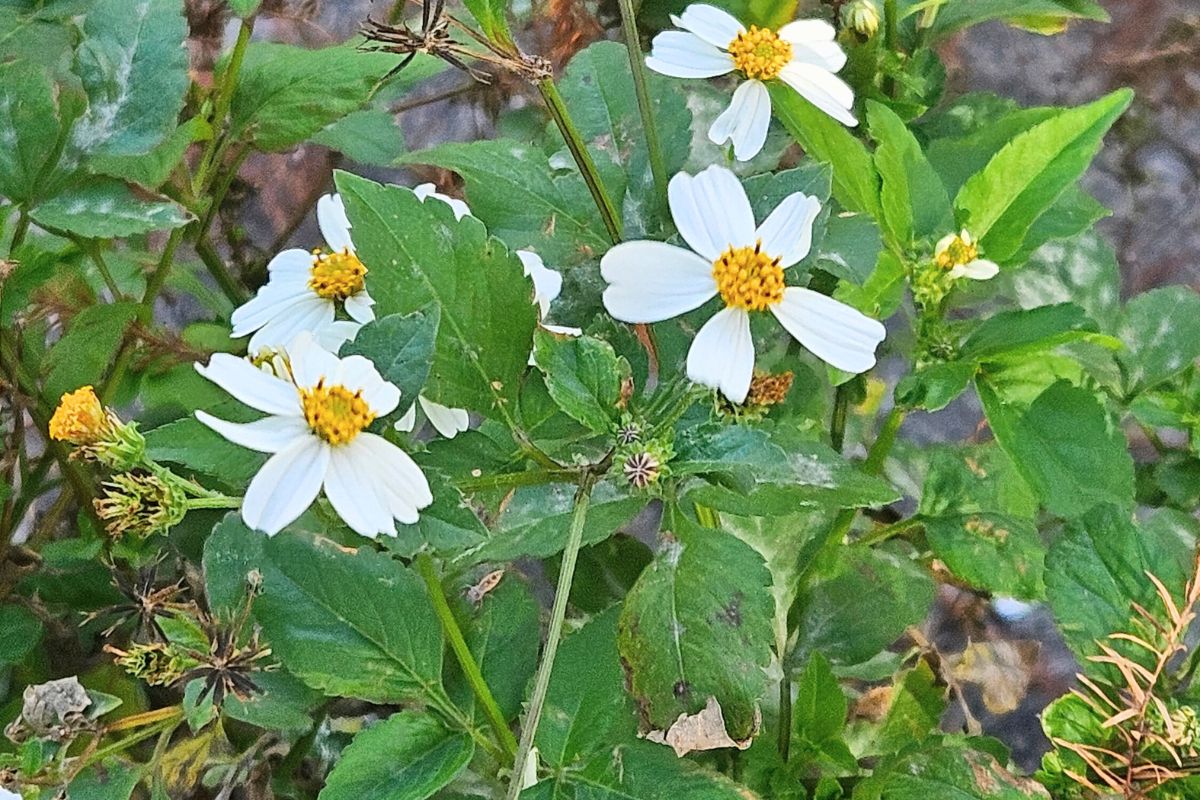
Also, choose some early-blooming annuals with frost tolerance to get yourself in the cut-garden groove. Pansies, stachys, and snap dragons are good choices. Although the cutting garden seems simple, beware continuously flowering, easy-care annuals that set seed quickly! Otherwise, you will spend more time weeding than cutting. A recent trip to Florida has me thinking about Bidens alba, a pretty easy-care ground cover that self-sows with a vengeance. Like our northern Bidens, the seed heads form hooked burrs that attach easily to socks, pets, shoes, and pant legs. This plant thrives on travel! Although it is not a perennial in our region, the annual can become a nuisance annual in our gardens. Even native Bidens (Bidens frondosa, a yellow-flowering type) can also be a weedy nuisance. Know your species! Varieties of Bidens ferulifolia are the annual Bidens sold at garden centers.
Even if you do not consider yourself a garden designer, you can plant with intention. Observe your landscape in winter. What changes would introduce more winter interest? Do you recognize problems now that you have coped with deep snow? Maybe that pile of snow from the plow would be less annoying in a different spot. Has the oil truck been able to deliver? You have time now to plan. Imagine your property as a home for multiple activities or as different micro-climates with unique features. Break a larger property into different garden zones with specific “jobs,” like windbreaks, seating areas, and paths of interest.
I am lazy. I would not try to plant these different gardens all at once, but choosing a focus now can relieve the winter blahs and get you excited for the coming spring. I will be researching some dwarf evergreens to make low windbreak hedges and privacy along my driveway and property lines. Dwarf selections grow more slowly and will not have to be pruned as often to remain small.
Study photos of your gardens in bloom last summer, too. Did they feel too sparse or too crowded? If you have invested in perennials, they typically take two years or more to fill their space. Don’t add more of them, but plan to fill in with annuals for a summer splash.
Choose cooler flower colors to make small gardens larger. And don’t forget the paths and benches. A small space will seem larger if you have a winding path to enjoy the gardens that ends in a bench.
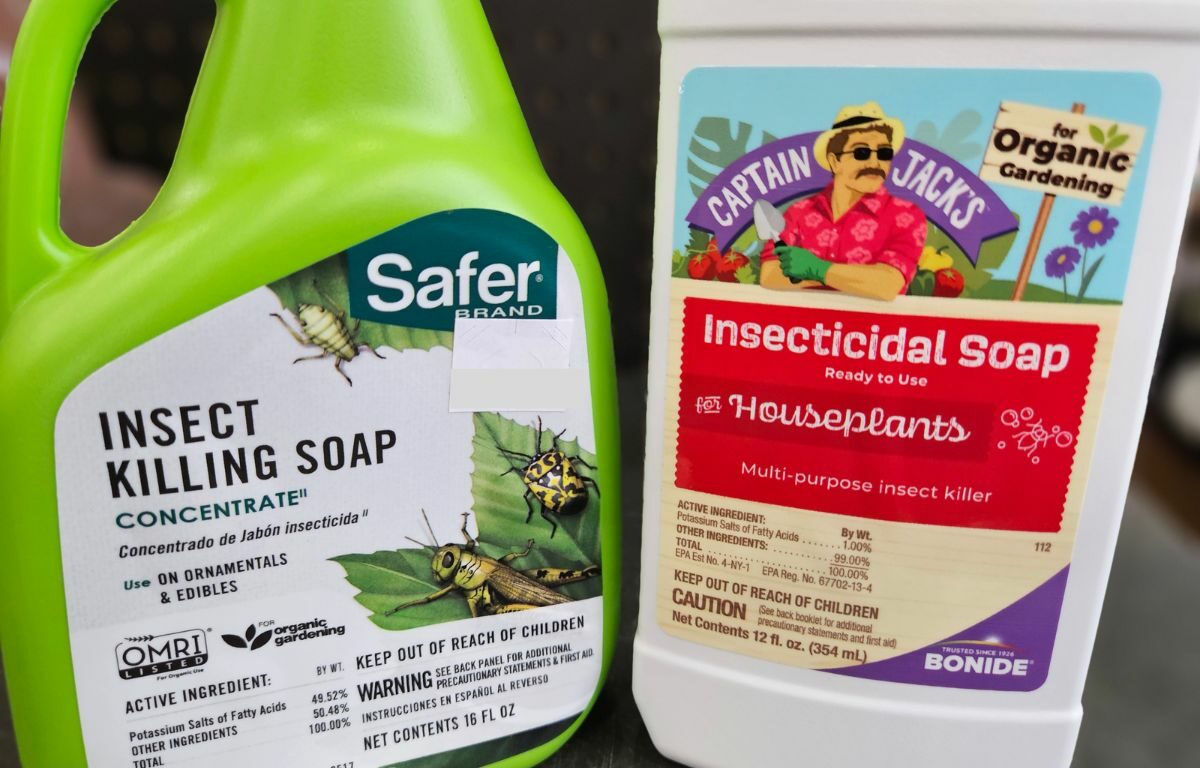
Don’t give up on your houseplants! Inspect them for insect pests if they start oozing sap or their leaves look mottled. Insecticidal soap is usually the gentlest and a very effective remedy. Be cautious and test houseplant pest-control soap on a single leaf before applying to the whole plant. Some plants are very sensitive.
I call myself the Lazy Berkshire Gardener because I don’t want to work too hard in my gardens. I want to enjoy them. I find it easier to observe my landscape and let the compost happen, the water pool up, or daisies to self-sow. I look for ways to do the minimum task for the biggest impact. For example, mulching is better than spraying and much better than weeding all season. I look for beautiful, low-maintenance plants that thrive in or at least tolerate my garden conditions. Plus, I am willing to live with the consequences if I miss something.