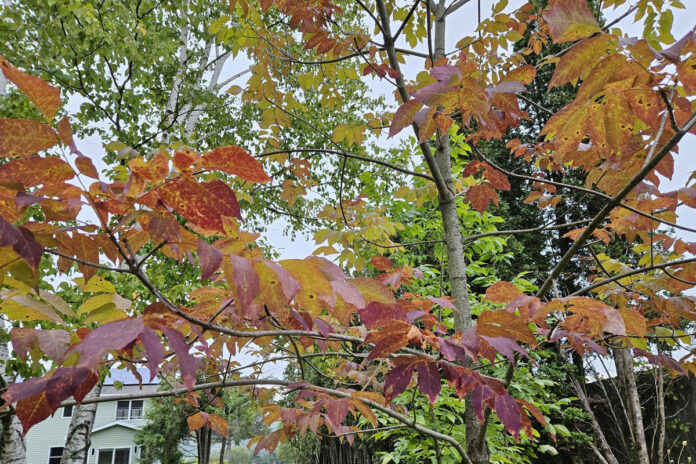
We are beginning to see the effects of all that incredibly hot weather on trees and shrubs. These long-lived plants would typically begin to show fall colors in about two weeks, but the heat and humid weather have prompted earlier changes in color and leaf drop.
I am not too concerned about this response to heat in older, mature plantings, but new additions to the landscape require some attention. Keep watering new plantings in a regular manner while leaves are still on the plants. By going dormant early, they are preparing for better conditions in the spring. Help them along by maintaining moist soil deep in the root zone. Plan to give them a robust dose of fertilizer in March after soils have melted and when plants begin to grow.
What flowers will last until late September? Dahlias will continue to bloom until frost. I installed mine late and only have one clump blooming. Hopefully more will bloom before frost. I lazily reused some potting soil and should have added more fertilizer. The plants look pitiful. That is on me.
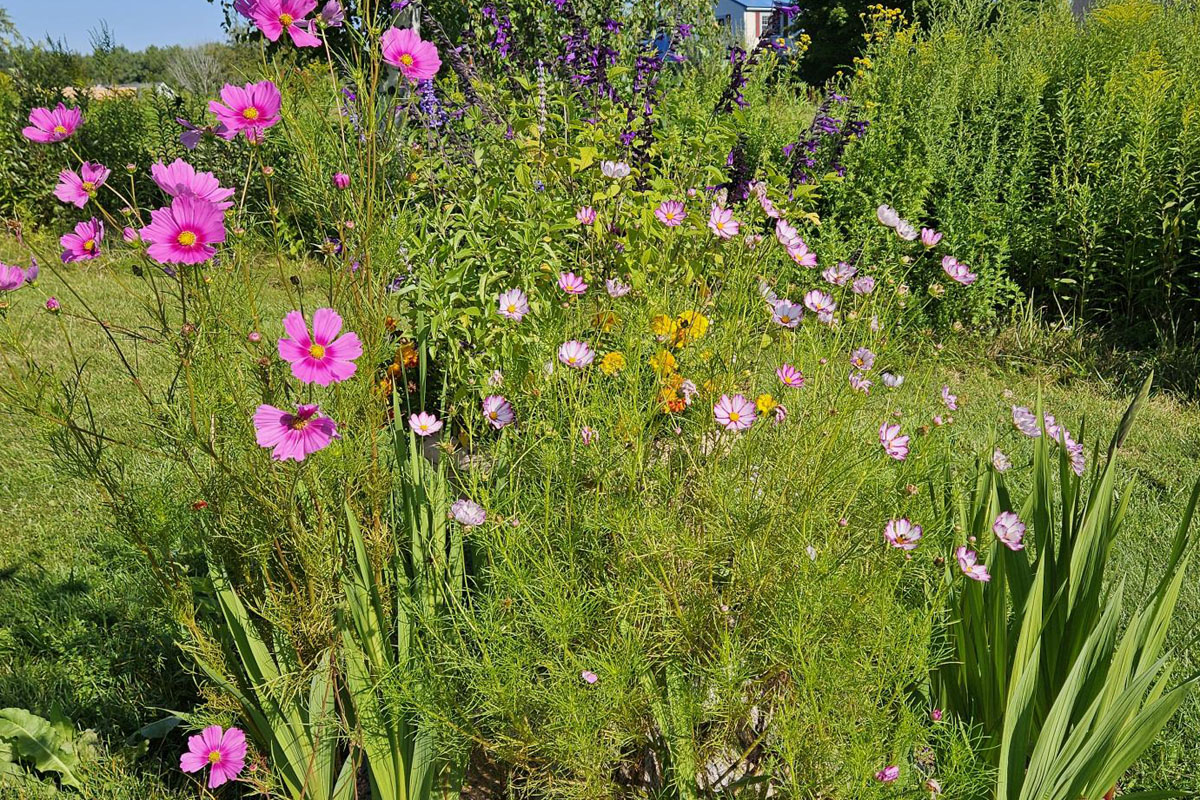
On the upside, my annual cosmos have been superstars. Cut-and-come-again zinnias will keep blooming, too. Snip off flower heads that have gone to seed and the plant will keep producing. However, I will leave one or two seedy flower heads per plant for finches to snack on. I have a few cosmos around gladiolus, crocosmia, and acidanthera—all corms that I overwintered but installed late. The corms are leafy but have yet to bloom, and the cosmos are awesome, thank goodness.
Where annuals have completely died back, install hardy fall annual mums, colorful ornamental cabbage, or kale. These routine offerings from garden centers and floral departments will really perk up spent containers. The mums will shake off a light frost and look colorful until a hard freeze knocks them back, typically in early November.
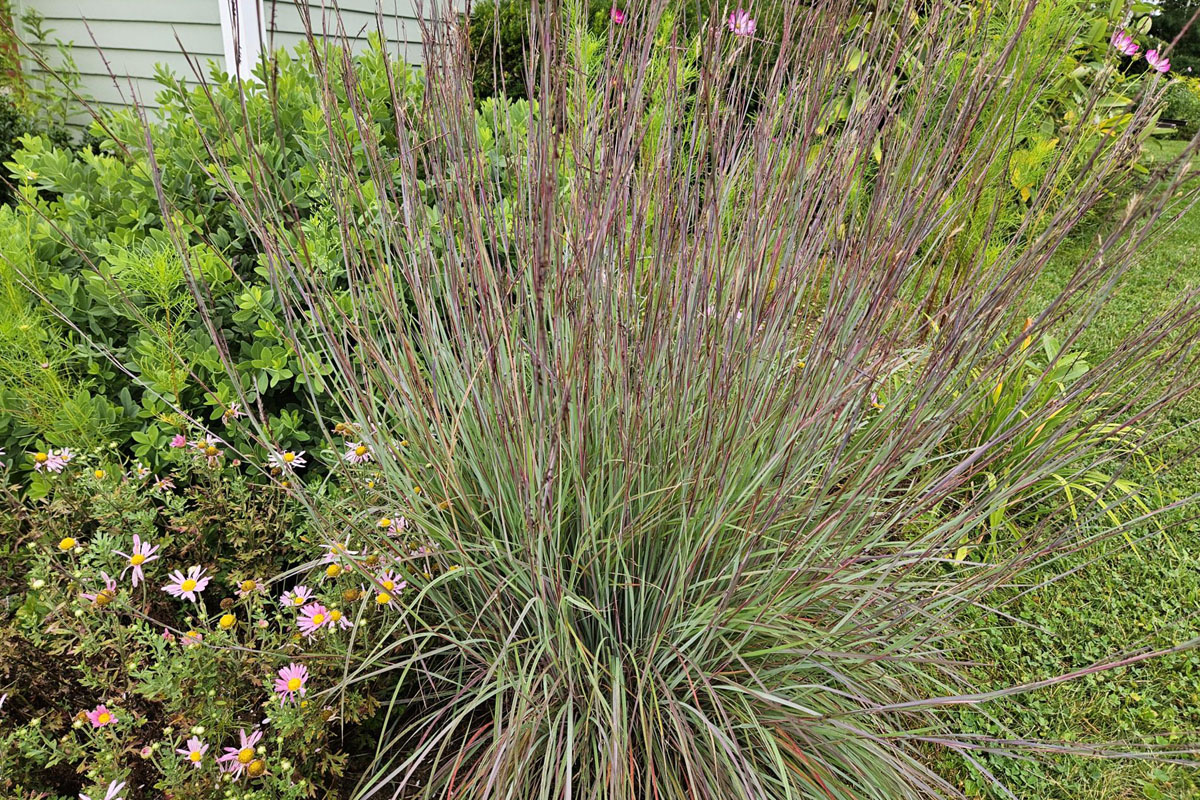
August and September are an ideal time to enjoy native grasses. They hold soil on sloped areas, have attractive and easily controlled clumping qualities, and look beautiful in autumn. I am enjoying the second year of my little bluestem (Schizachyrium scoparium) with its straight, flowering shoots of blue/purple now emerging.
Speaking of grass, spread lawn grass mixes or install sod rolls when temperatures are more consistently in the 70s or 60s, ideally in the next few weeks. Overseed thin patches of lawn by raking the soil surface to loosen compacted soil. Then spread a thin, quarter-inch layer of compost in the area. The seed mix will germinate and root more easily in the loose soil. Keep the area moist by gently watering daily until you see the young grass blades. Plan to install sod on the day of delivery and also water daily until the grass starts to grow.
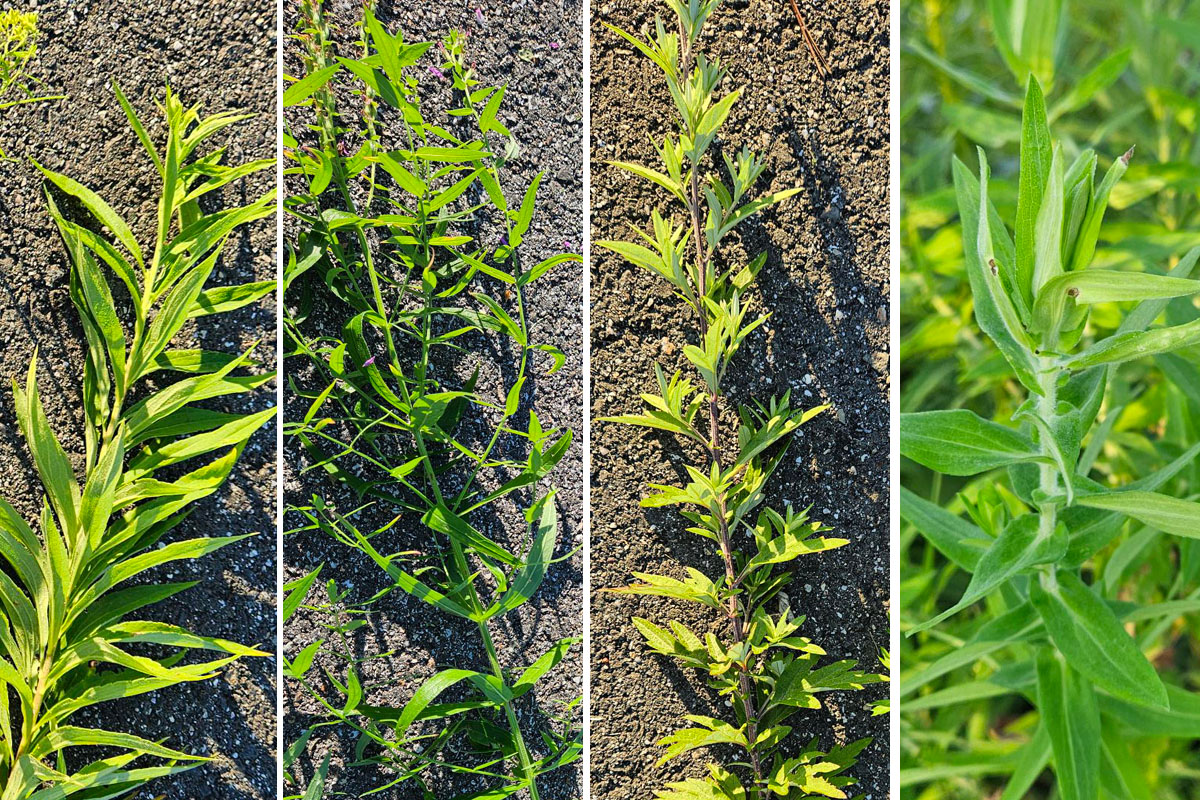
My other task in late August: keep weeding! But I pick my battles. I focus on the big plants that may be starting to flower and that will crowd out my special choices. To identify the worst weeds, I use a combination of leaf arrangement, leaf shape, and odor when crushed to know the difference among loosestrife, asters, mugwort, and goldenrod. I may not always get it right, but if the plant blooms, I can quickly correct myself.
Briefly, goldenrod leaves can be narrow and slender or more oval, but they always alternate along the stem. Loosestrife leaves and stems of flowers will appear on opposite sides of the stem but are also long and narrow. Mugwort leaves will be alternate but deeply lobed and very fragrant when handled. Aster leaves are alternate, but there is no petiole attaching the leaf to the stem. The leaf creates a little collar at every leaf node.
The best time to weed is after a good rain when my clay soil might loosen its grip on the robust weeds. I identify the leaves and trace down the stems to find the roots. I will wedge a spade or trowel into the soil and lever out the crown to get as many roots as possible. While in among the stems of goldenrod, mugwort, and other perennials, I can gather perennial seed heads or tag their location. Returning often, I will notice when the seed heads pop open indicating the seeds are ripe for spreading. You can gather a few to foster and grow for planting next year, but leave the rest for wildlife to consume and spread for you.
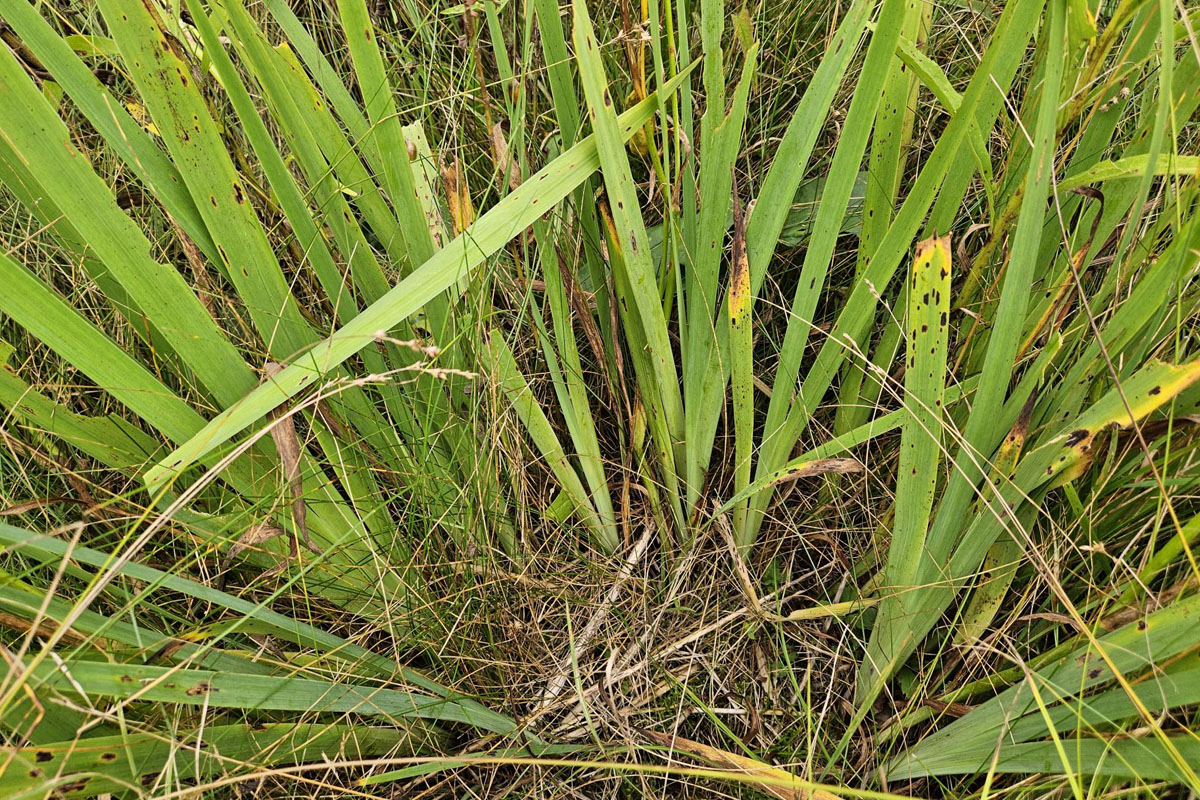
While weeding, I have noticed that I have Iris versicolor forming a circular band with no flowers in the center of the clump. In mid-September, I will take the time to dig out a portion of these Iris rhizomes and replant them elsewhere immediately. The original clump will flower better and I will have more Iris!
Out in the vegetable garden, pick daily and use your harvest as soon as possible. Use green-necked onions first since they don’t store well. Same goes for any bruised or slightly damaged vegetables. Use those first.
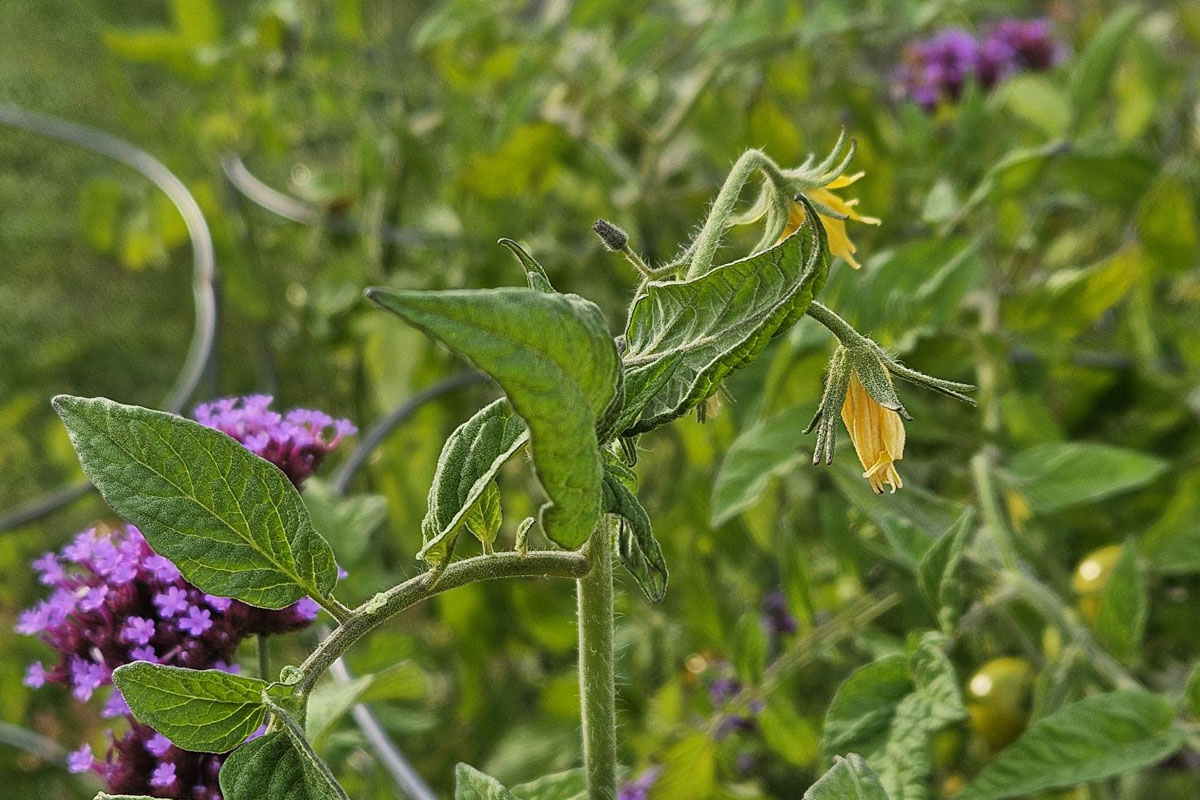
Too much heat may have slowed the fruit production on some vegetables. I have many tomatoes ripening but not many new ones forming. Usually I snip off any tomato flowers at this point in the season because they won’t have time to form fruit. However, I will leave a few this year in hopes that better temperatures will keep the pollinators pollinating and the fruit forming. Snipping the flowers will also send energy to the developing fruit.
While temperatures are still comfortable, spend time sealing gaps around your windows, along doorframes, and under eaves. Stinkbugs and lady beetles find these gaps and move in to hibernate only to emerge in your cozy living areas come winter. Keep out the unwanted visitors by applying sealants now.
Last tip of the week: Take Monday off and celebrate your gardening labor victories!
I call myself the Lazy Berkshire Gardener because I don’t want to work too hard in my gardens. I want to enjoy them. I find it easier to observe my landscape and let the compost happen, the water pool up, or daisies to self-sow. I look for ways to do the minimum task for the biggest impact. For example, mulching is better than spraying and much better than weeding all season. I look for beautiful, low-maintenance plants that thrive in or at least tolerate my garden conditions. Plus, I am willing to live with the consequences if I miss something.