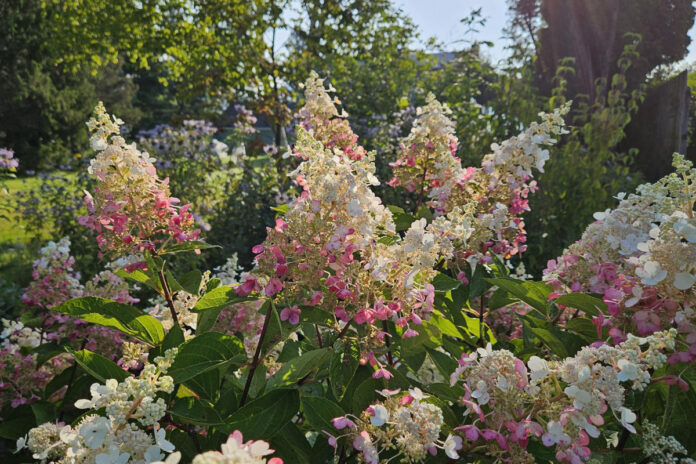
Take photos of your gardens now. In early March, I pruned back my Hydrangea “Quick Fire” to create stronger branches with more space between. The blooms this summer are gorgeous. Blooms have formed on wood that grew since March.
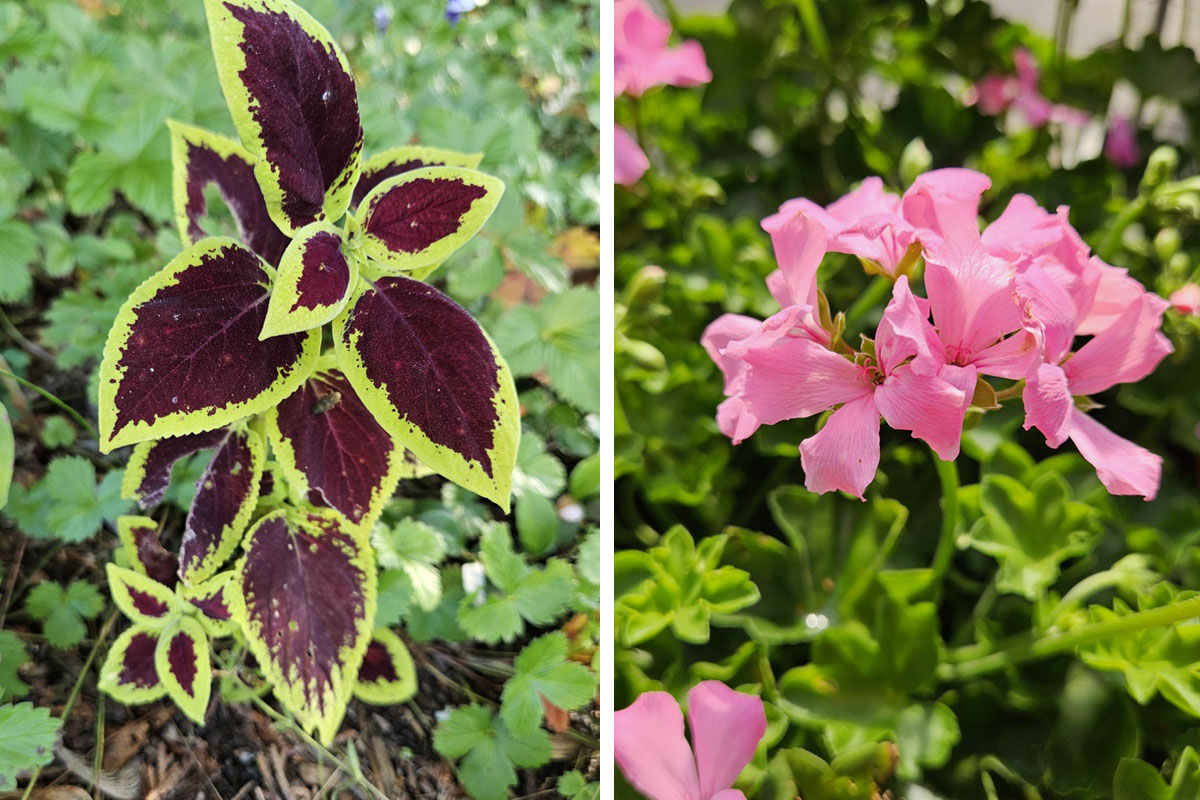
While you see new growth, take cuttings of coleus or geranium to root into new plants. Choose about three inches of stem from new growth. Dip the cut end in rooting hormone powder and insert one inch into a dampened sterile seed-starting mix. Wet soil again when soil is dry to the touch, but do not overwater.
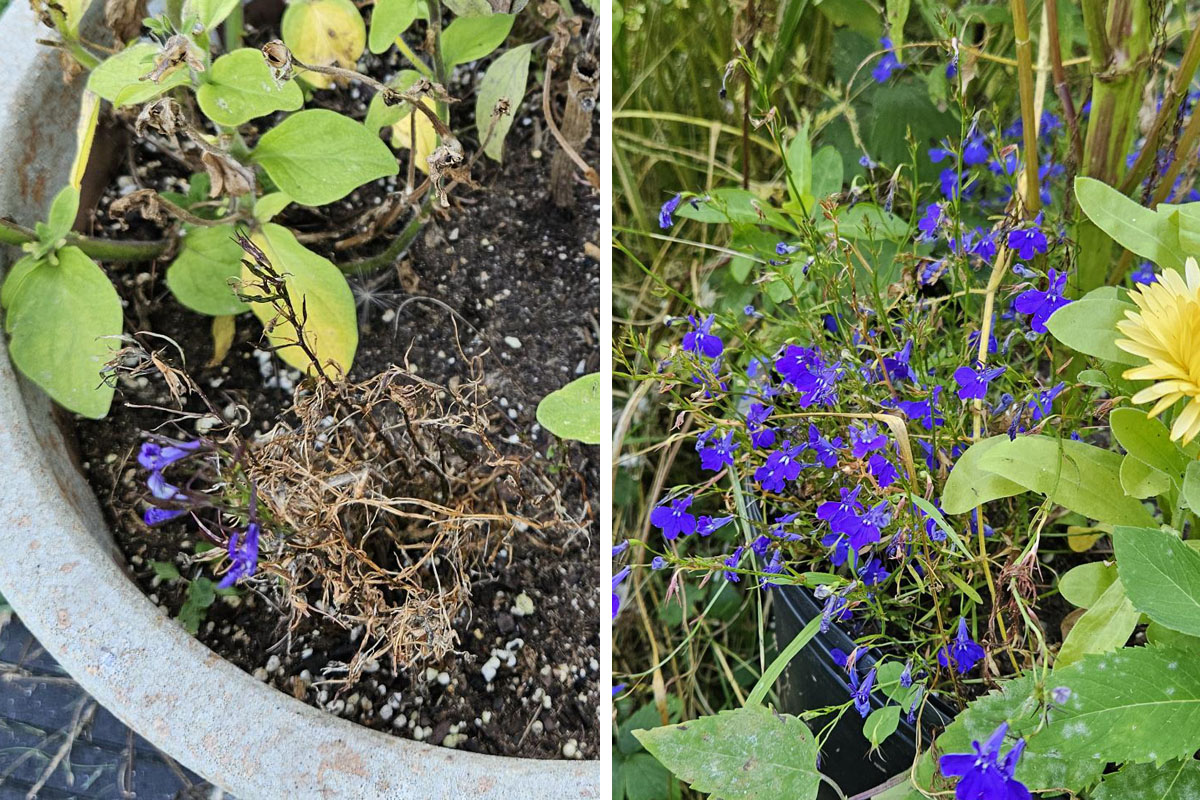
I have pruned back my petunias, and they should look better in another week, but they look a little punky now. Review your plants overall. Pull up diseased or dead annuals. I had shade-loving lobelia in a pot that was hammered with heat this summer and the plant couldn’t adjust. The same type of lobelia did beautifully in a pot with four hours of indirect sun.
I am watering, harvesting, and weeding in the veggie garden. Harvest daily and use the produce promptly to maintain crisp, fresh flavor. If the lettuce seems limp, I will soak it in very cold water before spinning to rejuvenate the leaves.
From my tomato section, I pick enough cherry tomatoes to fill a pint every day. They sit on the counter turning ever deeper red and orange. Larger beefsteak and heirloom tomatoes have begun to turn pink. I snagged one that was deep pink to continue ripening in a brown paper bag on the counter. Warm tomatoes taste better than chilled. Again, pick and use promptly for the best flavor.
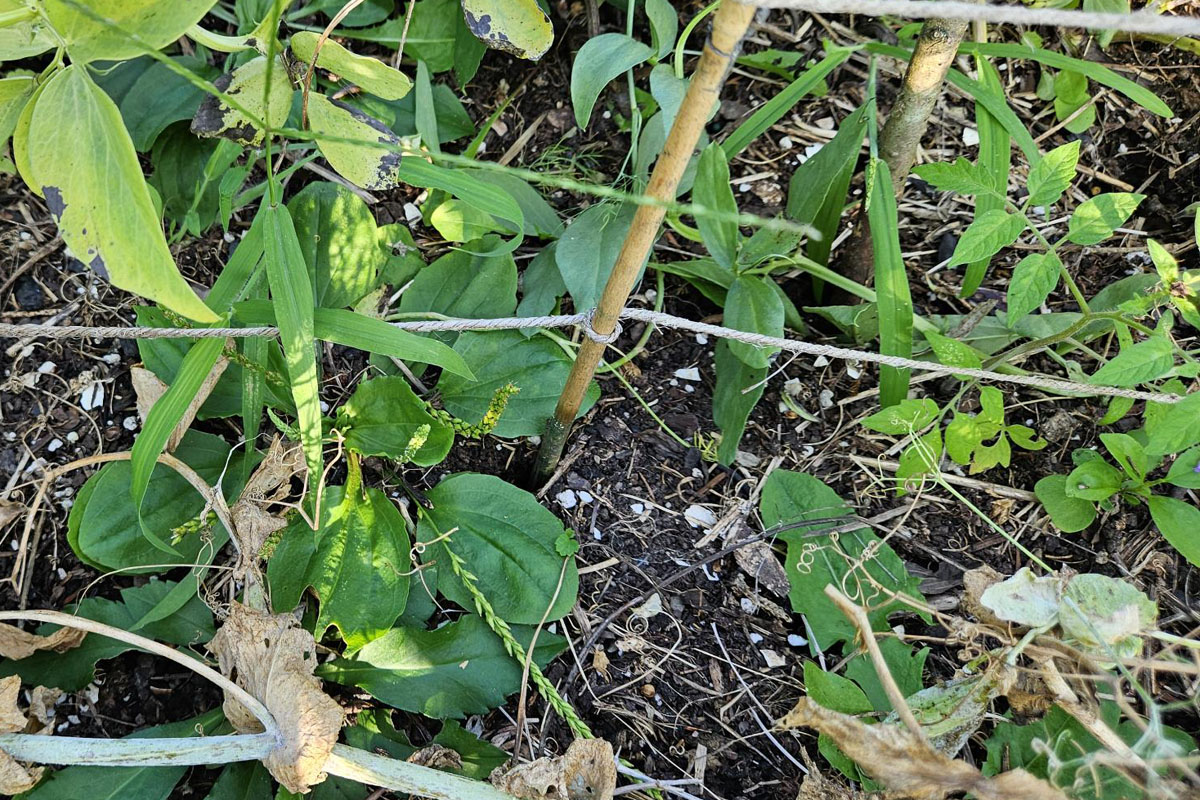
My resident song sparrow chicks have moved from the nest and to points unknown. Once we cleared the dead pea vines, I discovered many weeds. Here is my reminder: Keep weeding!
More veggie tips:
Remove largest leaves on squash if fruits start to rot in too much moist shade.
Tomatoes may split from the inconsistent rain and heat. Pick the split tomatoes, ripen them, and use as soon as possible. Just cut around the hard skin at the point of split. They will still be as tasty!
Dig potatoes up about a week after tops have died back, The extra time in the ground will give them thicker skins that make them better for storage. Once you harvest, cull diseased tubers and put them in the trash. Sort out damaged tubers to use first. If you store them, you run the risk of disease development that could infect all the potatoes.
Prepare lawn areas for reseeding now. Remove weeds from bare spots. Rake thin lawns and bare spots to loosen top soil. Spread a quarter-inch layer of weed-free compost over the area. Then spread the appropriate seed mix.
Select grass mixes carefully. Blends have perennial grass seeds that stay green in full sun, part shade, or full shade. Some mixes boast higher tolerance for foot traffic. Use these in pathways or around steps and patio landings. Spread the seed by mid-September and feed with fertilizer that has less nitrogen by percentage. Fertilizer now needs to provide nutrients to roots and help the grass get established. Starting lawns now means less competition from annual weeds.
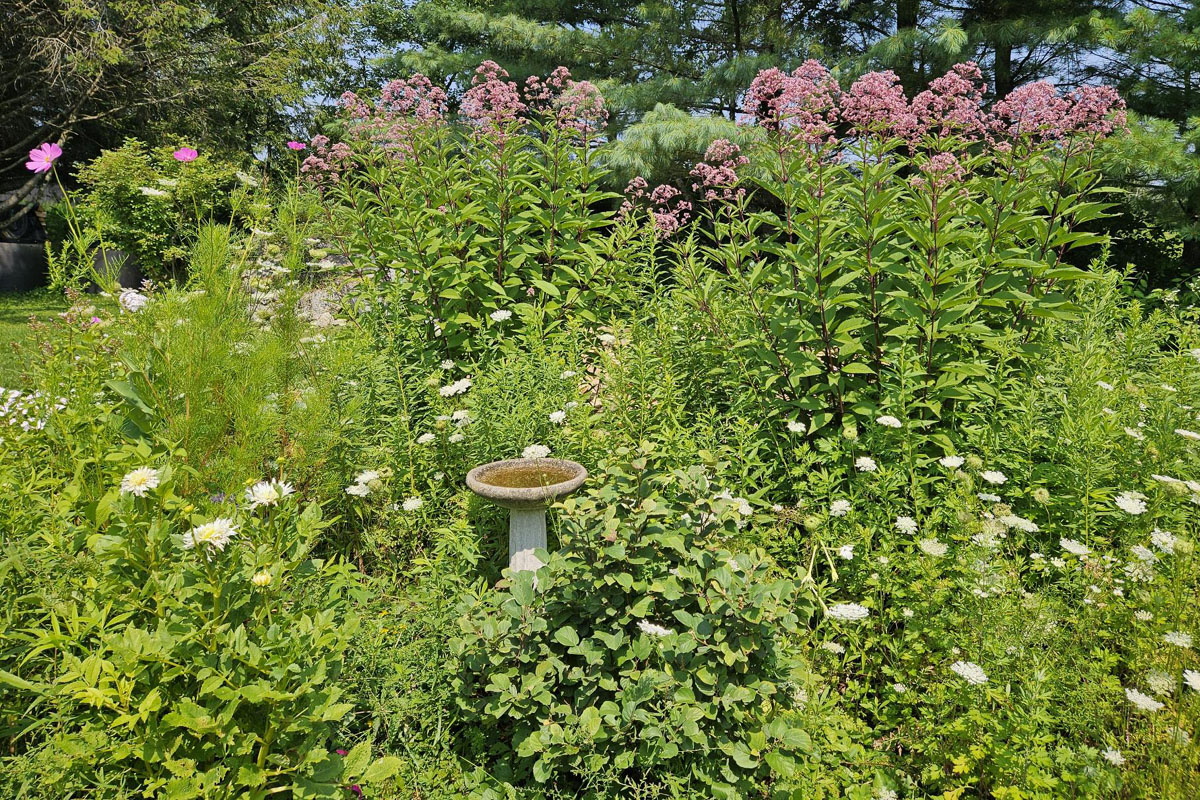
Evening temperatures have been lovely and rain scarce. Visit your garden in the twilight (or rain if you are lucky). Our gardens look different throughout the day and after rainfall. Plus, plants react to rain in different ways. Some will collect the water for later use. Others will allow the rain to bead up or drip away. Also observe gardens at night. Many white flowers have evolved to open and share fragrance more in the evening hours to attract moths and other evening pollinators.
Fertilize young trees and shrubs now to prepare roots for dormancy. As sunlight changes, shrubs and trees will begin to slow chlorophyll production. Less chlorophyll means less green and other colors emerge in the leaves. While leaves exist, the plants still need fertilizer and water. Give them another shot of slow-release fertilizer to help them prepare for winter dormancy.
If you see late-season foliar spotting, this is typically only minor damage since the plants are shedding unneeded leaves now. Keep the garden tidy though. Clear all spotted leaf material and put in the trash; don’t compost.
We have weeks of summer weather ahead. Repot houseplants that have spent the summer outdoors now before bringing them back indoors. By repotting now, you give them a good chance to root into the new soil while they have the strongest sunlight. For plants still indoors, don’t neglect them! Keep your houseplants tidy and remove dead leaves. Dust them or wipe the leaves clean to ensure they get the best access to the lower light levels indoors.
Here is a new insight! I discussed milkweed with a gardener recently who was worried about aphids on her milkweed. As we talked, she let me know that the fluffy floss of milkweed was used as flotation material in World War II. Yes! The Navy collected 1.5 billion pods to make 1.2 million life vests. The natural world has so much to offer. Learn more here.
I call myself the Lazy Berkshire Gardener because I don’t want to work too hard in my gardens. I want to enjoy them. I find it easier to observe my landscape and let the compost happen, the water pool up, or daisies to self-sow. I look for ways to do the minimum task for the biggest impact. For example, mulching is better than spraying and much better than weeding all season. I look for beautiful, low-maintenance plants that thrive in or at least tolerate my garden conditions. Plus, I am willing to live with the consequences if I miss something.