Anyway, it seems as if winter in England goes on forever, by the time spring comes you really deserve it… I walked around the garden with one of Eric’s acoustic guitars and wrote ‘Here Comes the Sun.’ — George Harrison
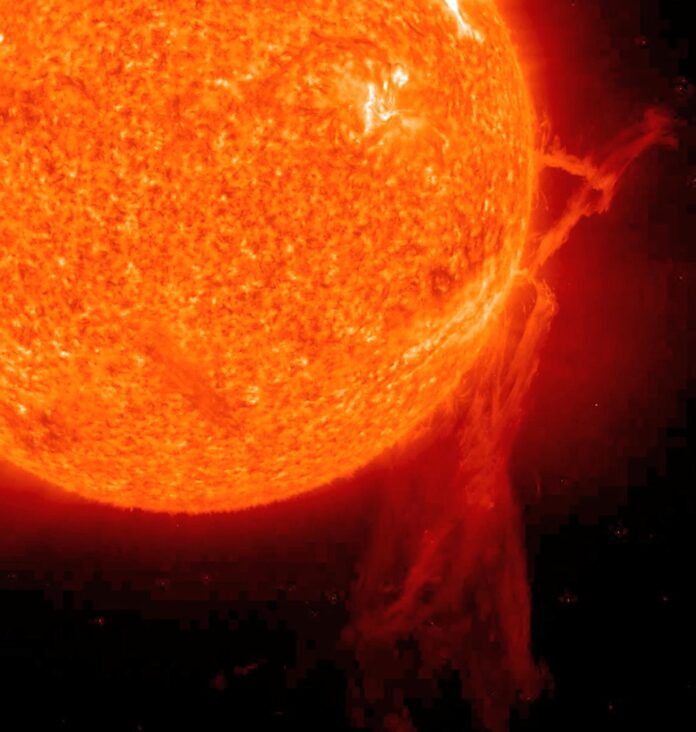
The Sun is the star at the heart of our solar system. Its gravity holds the solar system together, keeping everything – from the biggest planets to the smallest particles of debris – in its orbit. The connection and interactions between the Sun and Earth drive the seasons, ocean currents, weather, climate, radiation belts and auroras. Though it is special to us, there are billions of stars like our Sun scattered across the Milky Way galaxy. — NASA
Astronomically, the Vernal Equinox, the first day of spring, occurs on March 20, 2026, when sunrise is 6:57 a.m. and sunset 7:05 p.m. In our locale, close to equal day and night also occurs on the 18th and 19th.
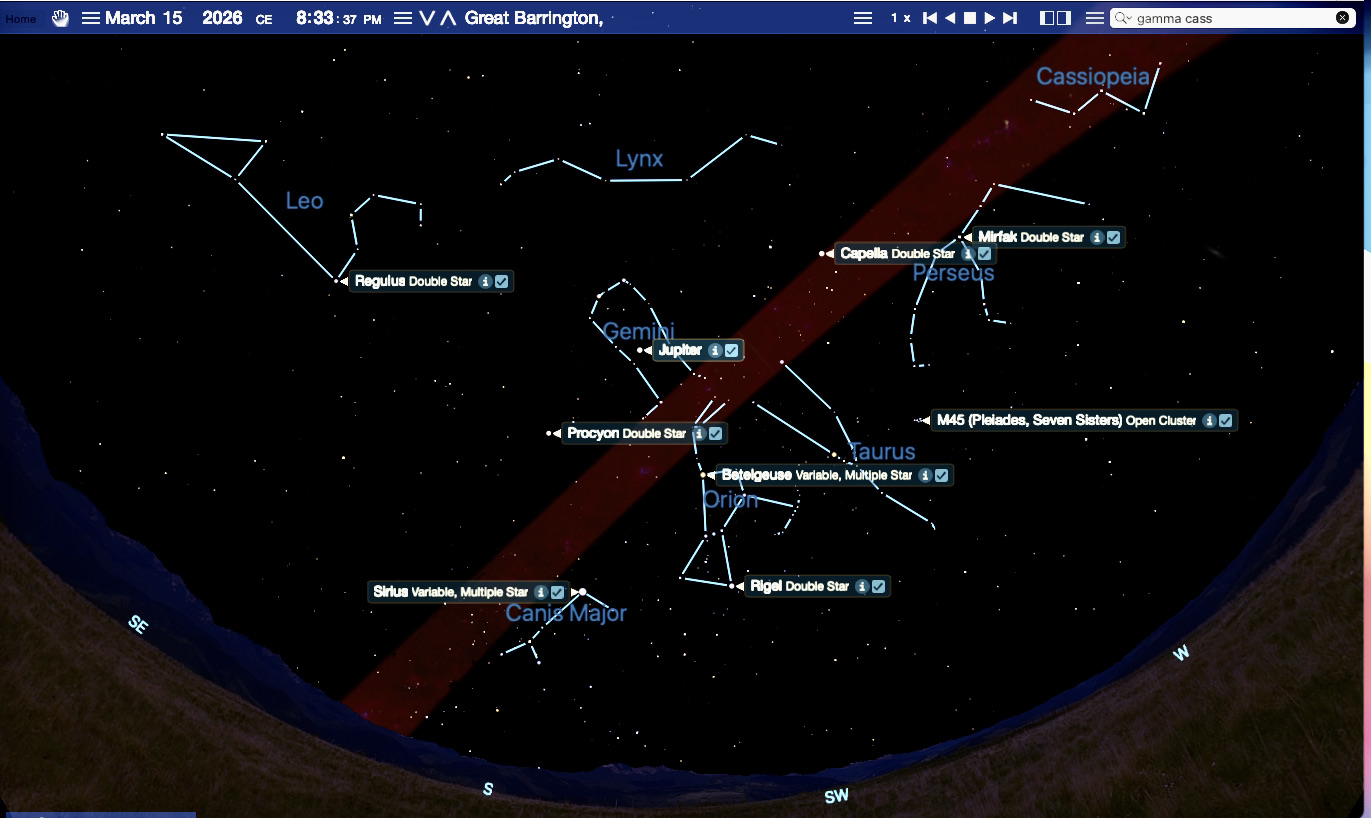
The brightest star in the constellation Orion the Hunter, Rigel, 0.15 apparent magnitude, is his right knee, shown here at 8:30 p.m. Orion sets at 12:07 a.m. on the morning of the 16th. Rigel is the fifth brightest star in northern skies. Betelgeuse, 0.43 m, second brightest, is the red giant shoulder star.
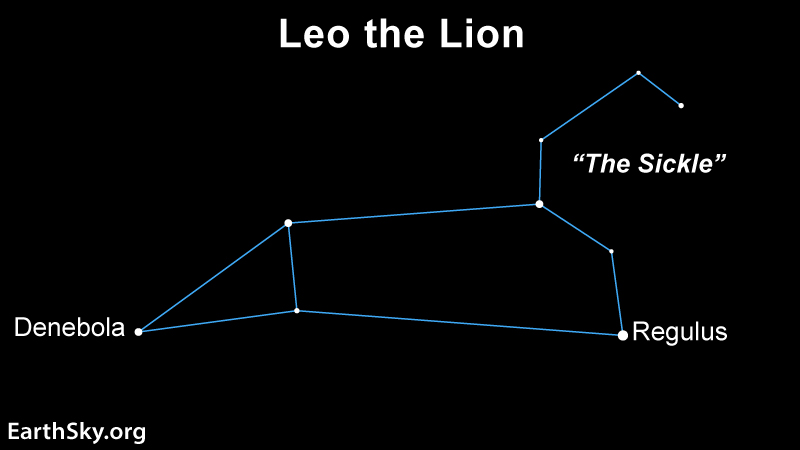
Leo the Lion’s brightest star, Regulus, 1.36 m, marks the heart of the Lion. Algieba, 2.00 m, is at the nape of the Lion’s neck.
Addendum
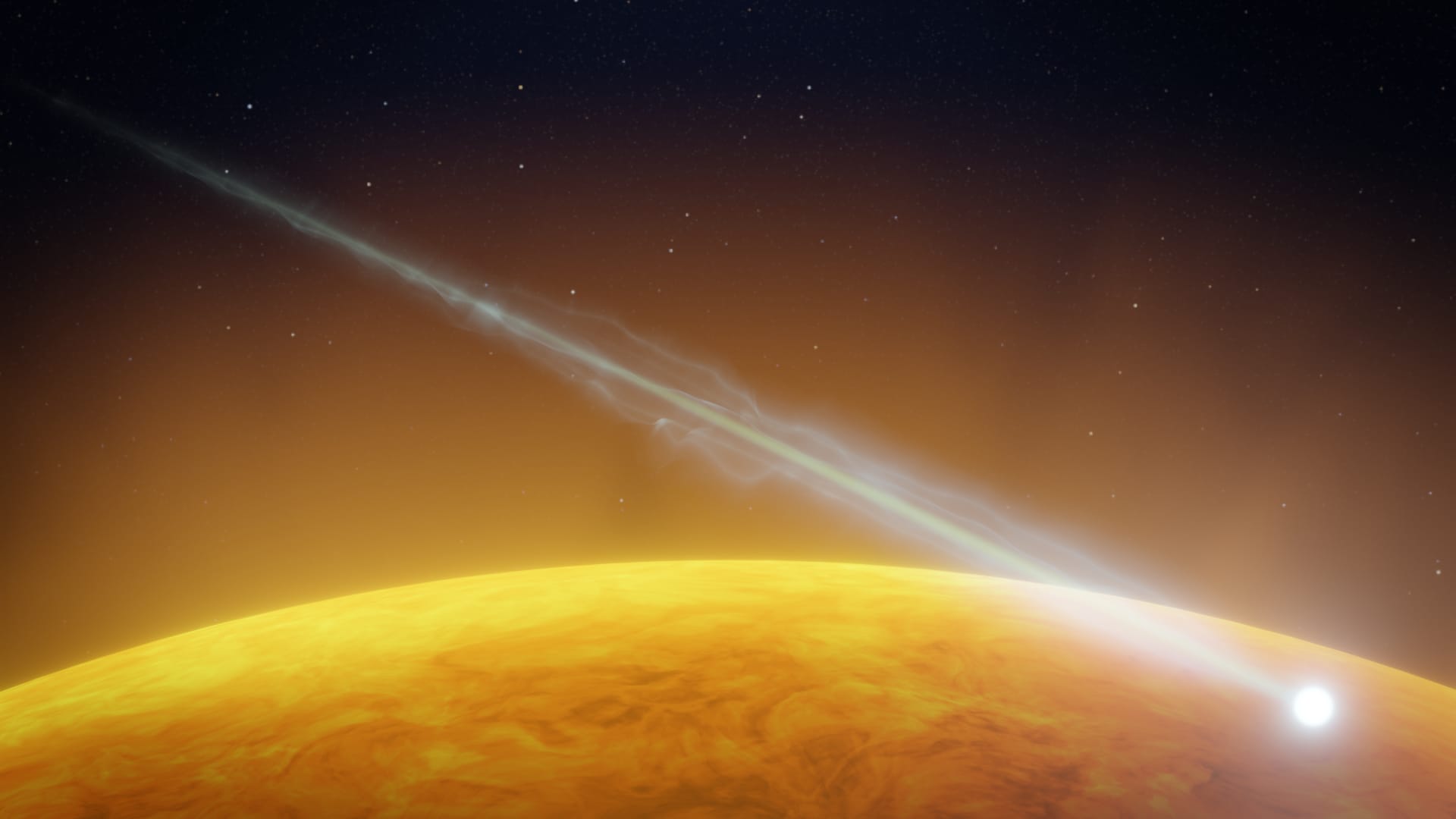
A rare sungrazing comet is heading our way — and the countdown is already on. In just a couple of weeks, comet C/2026 A1 (MAPS) will skim incredibly close to the Sun, setting up a true all-or-nothing moment: it could flare into one of the year’s brightest comets, possibly visible to the naked eye — maybe even in daylight — or it could fall apart in the Sun’s intense heat. Read on to learn when it’s best to see comet C/2026 A1 (MAPS), and follow its journey with the Star Walk 2 app. — Star Walk