Once again, we are looking at drought conditions in the Berkshire landscape. Focus watering efforts on valuable, newly planted shrubs and trees as well as vegetable gardens still in production. Let the established lawns turn brown. They are actually dormant and will revive when cooler, rainy weather returns.
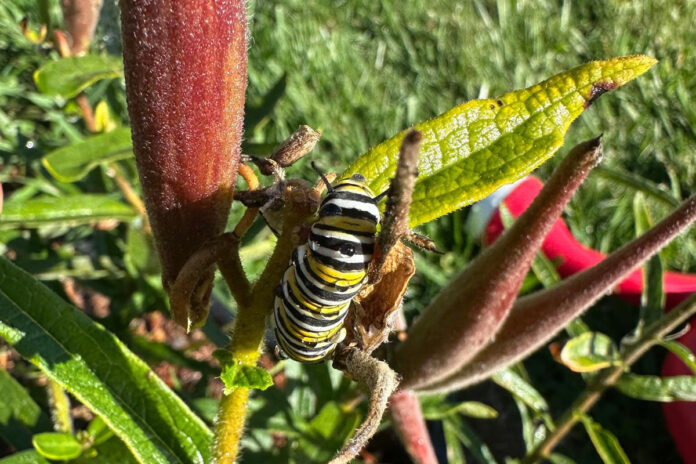
While watering, you can find interesting things in your gardens. My husband was pleased to see that a Monarch caterpillar was enjoying our newly planted butterfly weed (Asclepias tuberosa). The larva probably enjoyed the little shower, too.
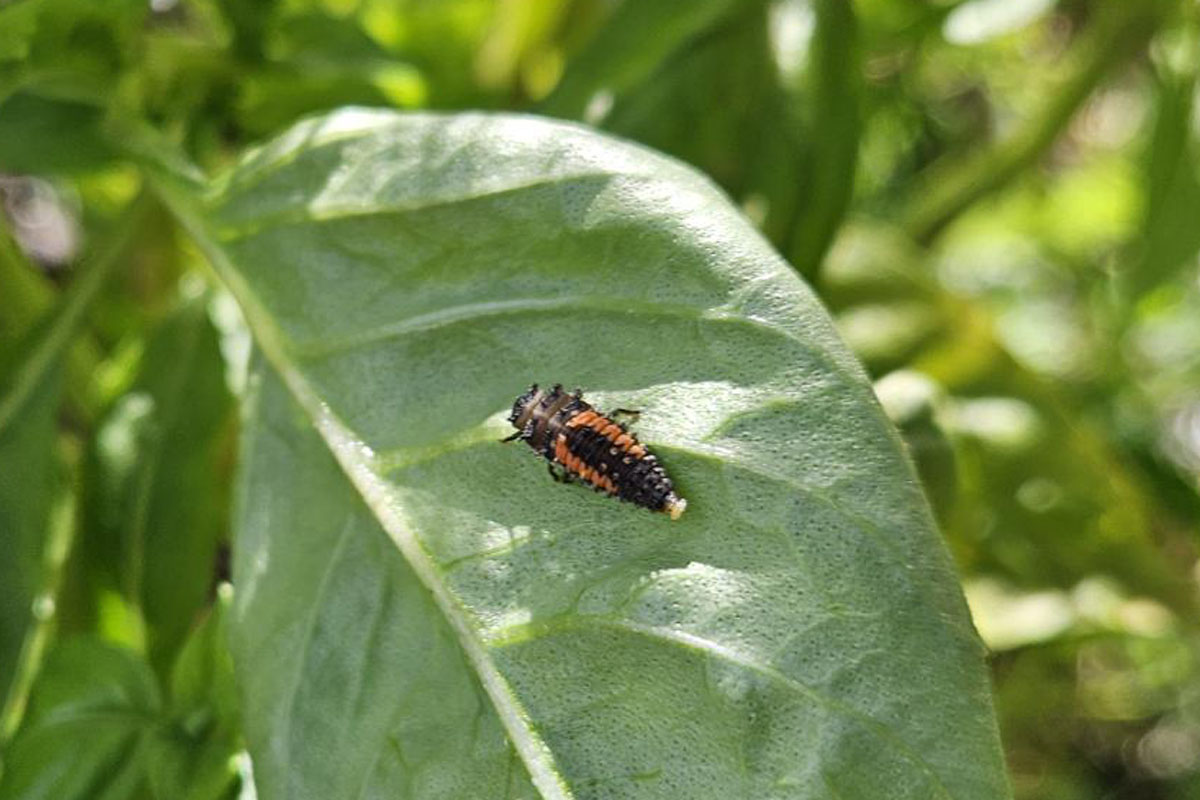
Other insects seen this week, lady beetles have started to seek indoor locations to overwinter. You are most likely to see them around southern or western windows that have gaps around the frames. Vacuum them up if they become an overwhelming nuisance. Do not swat or smash them. They will emit a foul-smelling yellowish liquid from their legs to deter predators.
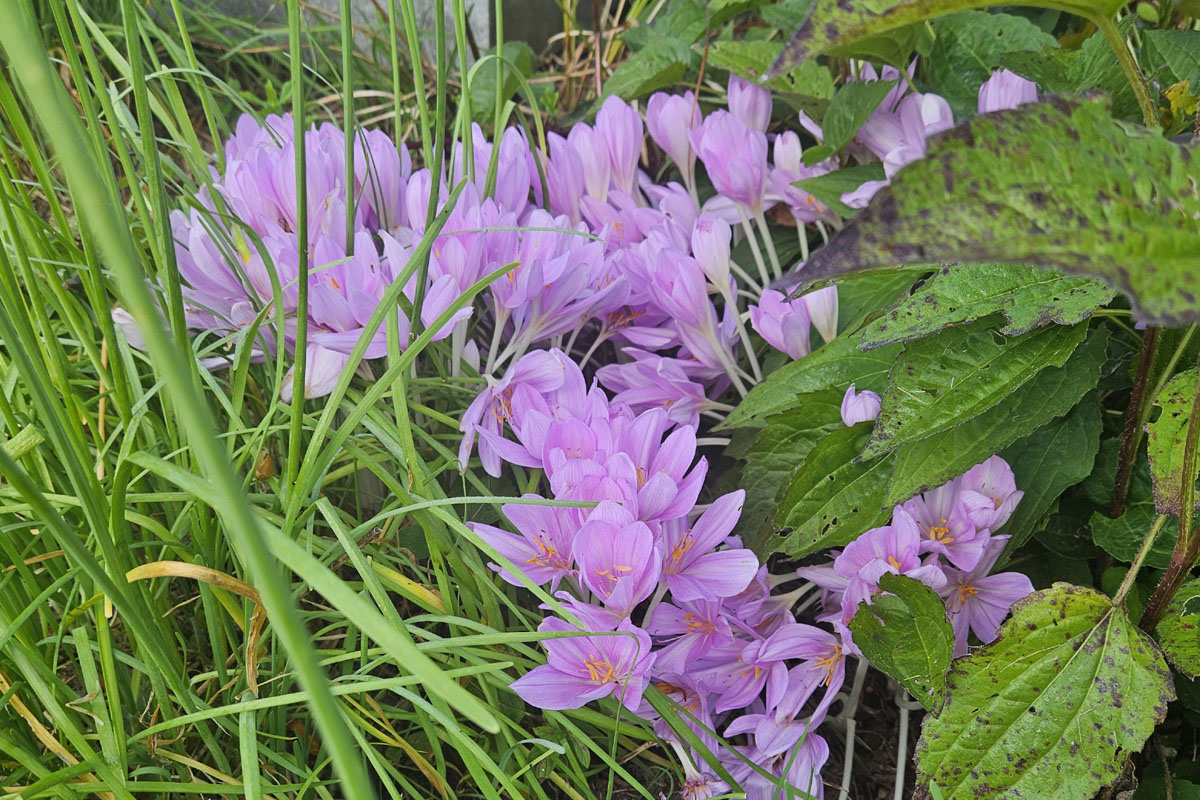
It is fall and time to shop for spring-flowering bulbs. Garden centers have the largest selection now. But wait to plant them until the soil is cool and nights are consistently in the 40s and 50s. Now you can plant Colchicum, not a sneeze but the autumn-flowering crocus, and you will have flowers right away.
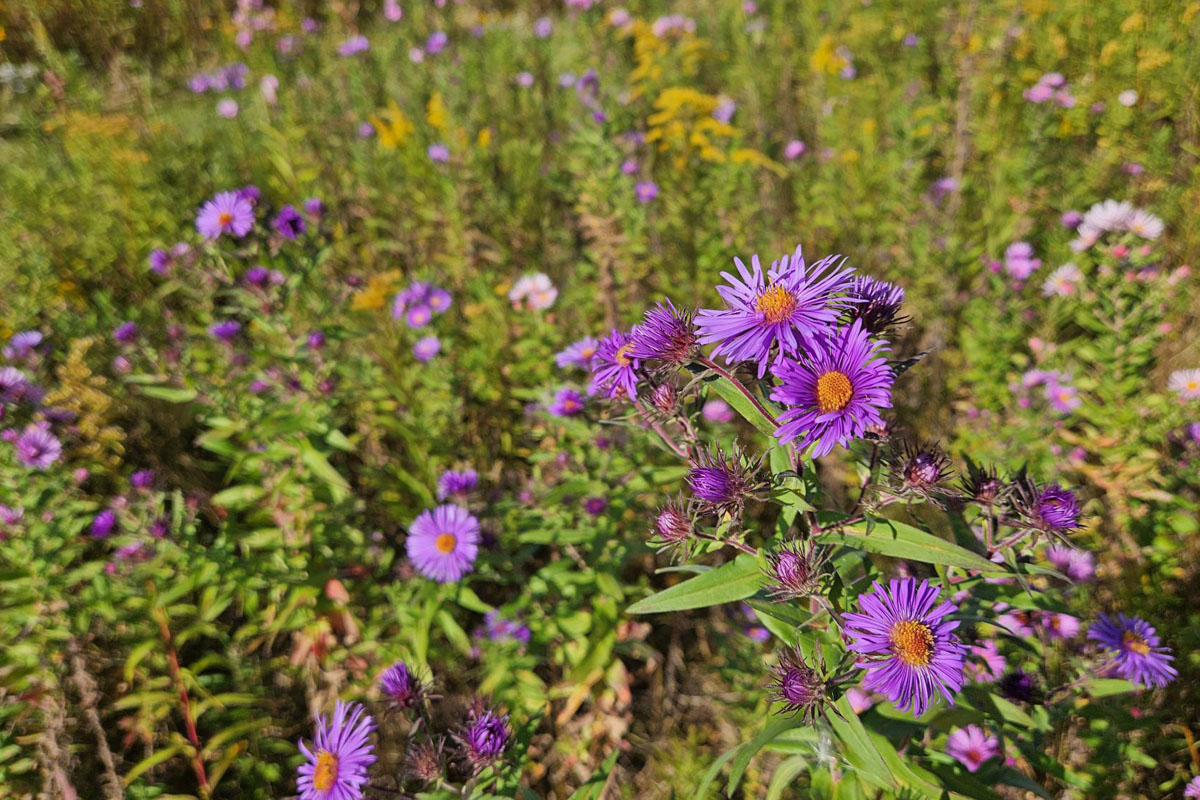
My native asters (Symphyotrichum novae-angliae) have joined the already blooming goldenrod. Standing about four feet high, the lower leaves often get mildew and turn brown, but the plants still flower. I like them best in my meadow, but they add nice color along a deck or among shrubs, too. If you prune them back in July, you would have shorter, bushier plants.
Now is a good time to sow seeds of pansies in the flower garden. They need cold stratification (a period of damp cold or freezing temperatures) to successfully germinate.
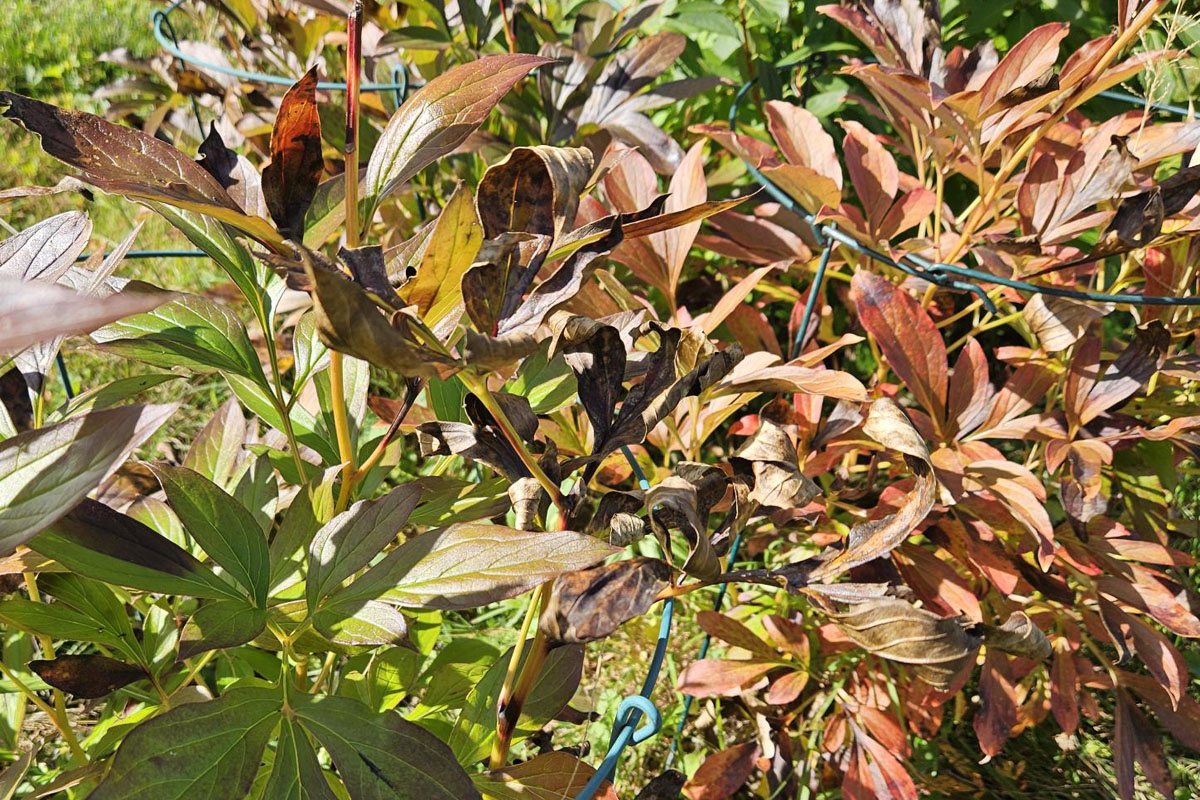
You can start cleaning up perennial beds by cutting any brown stems back to the soil surface. Leave green leaves to continue photosynthesis. My peonies have been maroon for weeks due to the heat, but the leaves have not completely died. Cut back peonies when leaves are brown.
It looks like there is no imminent threat of frost. Overnight temperatures in the 40s do not bother Thanksgiving and Christmas cactus. They can stay outside. The cooler temperatures stimulate flowering.
When transitioning tropical houseplants back indoors, bring to the brightest location available inside even if the plant is shade-loving. A bright window location is considerably darker than a shady spot outdoors. Move the plants further from the window gradually as they grow accustomed to the lower light indoors.
If you have garlic left from last year, it may not have the full original flavor, but dehydrating garlic will preserve its healthy properties.
Chop spent cornstalks into small pieces to hasten their breakdown.
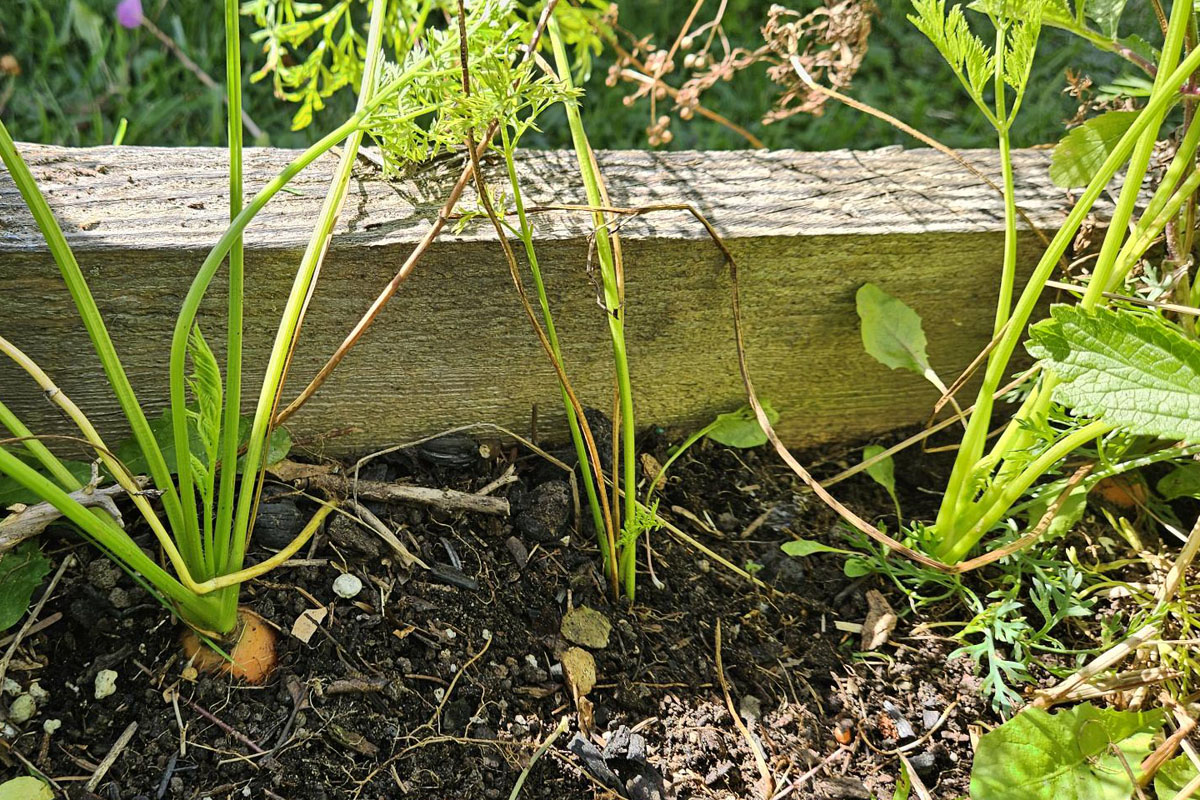
Since vegetables are still growing, keep the garden in production. Spinach seeded now can overwinter with row cover protection but harvest sweet potatoes before frost. Store leftover seed in a cool, dry location. I leave carrots and beets in the ground for a late-fall harvest.
Trees and shrubs are putting energy into their roots while soils are still warm. Do not prune these woody plants now unless branches are broken. Pruning now can spur growth that will not mature in time to withstand winter weather.
In this first week of autumn, notice all the color developing in perennials, trees, and shrubs. Maybe there is something you would like to add to your landscape.
Blueberry plants are native, thrive in acid soil, and have great fall color! Above all, remember to water newly planted trees, shrubs, and perennials until the ground freezes solid (usually December)!
I call myself the Lazy Berkshire Gardener because I don’t want to work too hard in my gardens. I want to enjoy them. I find it easier to observe my landscape and let the compost happen, the water pool up, or daisies to self-sow. I look for ways to do the minimum task for the biggest impact. For example, mulching is better than spraying and much better than weeding all season. I look for beautiful, low-maintenance plants that thrive in or at least tolerate my garden conditions. Plus, I am willing to live with the consequences if I miss something.